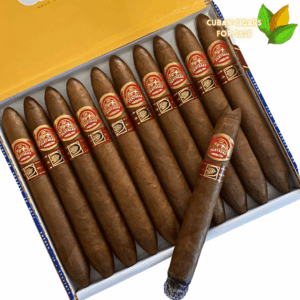
Description
Why the Fonseca Cosaco Deserves a Spot in Your Humidor
You know that friend who’s consistently good company but somehow gets overlooked because they’re not the loudest person in the room? That’s basically the Fonseca Cosaco. I’ve watched countless aficionados walk right past this gem, reaching instead for the flashier names, and honestly – that’s their loss. The Cosaco isn’t trying to impress anyone with bold statements or aggressive flavors. It just sits there, quietly delivering one of the smoothest, most refined smoking experiences you’ll find in a Cuban cigar.
Here’s the thing: I first tried the Cosaco about eight years ago at a small lounge in Miami. The owner, this old Cuban guy named Carlos, practically insisted I try it. “Everyone wants the big names,” he said, shaking his head. “But this? This is what we actually smoke.” And damn if he wasn’t right. Since that day, I’ve probably gone through a few boxes of these, and they’ve never disappointed. Not once.
In this guide, I’m gonna walk you through everything that makes the Fonseca Cosaco special – from its surprisingly complex flavor profile to why it’s become my go-to recommendation for people who claim they “don’t like mild cigars.” (Spoiler: they’re missing the point entirely.)
What Makes the Fonseca Cosaco Special
Fonseca’s been around since 1907, which is pretty wild when you think about it. The brand started in Havana and quickly earned a reputation for producing approachable, well-balanced cigars. They’re not chasing trends or trying to blow your palate away with strength. Instead, they’ve perfected this art of subtlety that’s honestly harder to achieve than making a full-bodied powerhouse.
The Cosaco vitola is where Fonseca really shines, in my opinion. It’s a lonsdale format – kind of an old-school size that you don’t see as much anymore, which is a shame. The dimensions give you this perfect sweet spot: enough surface area for complex flavors to develop, but not so much tobacco that you’re committed for two hours. The whole package is wrapped in beautiful Vuelta Abajo leaf, which comes from Cuba’s most prestigious tobacco-growing region. That wrapper has this gorgeous, slightly oily sheen that catches the light just right.
Who’s this cigar for? Look, if you’re the type who only smokes Cohibas and thinks strength equals quality, the Cosaco might not click for you immediately. But if you appreciate finesse over power? If you actually want to taste the tobacco instead of just feeling the nicotine? Then you need to try this. I’ve recommended it to beginners and thirty-year veterans alike, and both groups come back wanting more. The Cosaco works equally well as your first cigar of the day or as a palate cleanser after a heavy meal.
| Specification | Details |
|---|---|
| Vitola | Cosaco (Lonsdale) |
| Length | 6.1 inches / 155 mm |
| Ring Gauge | 42 |
| Wrapper | Cuban (Vuelta Abajo) |
| Binder | Cuban |
| Filler | Cuban blend from Vuelta Abajo |
| Strength | Mild to Medium |
| Smoking Time | 60-75 minutes |
The Smoking Experience: Third by Third
The cold draw on a Cosaco always surprises me. You get these sweet, almost floral notes mixed with hints of hay and something that reminds me of honey. Not overpowering – just enough to make you want to light it up immediately. And the construction? It’s consistently excellent. I’ve smoked probably forty or fifty of these over the years, and I can count on one hand how many had draw issues. That’s saying something for any cigar, Cuban or otherwise.
Once you light it up, that first third comes alive with cream and cedar. There’s this buttery quality to the smoke that just coats your palate. Some people pick up notes of almonds or cashews – I definitely get that sometimes, though it varies from stick to stick. The burn line usually stays pretty even, and the ash holds on for a good inch, maybe inch and a half. It’s got this light gray color with subtle striations that tell you the tobacco’s been properly aged.
Thing is, the real magic happens in the second third. This is where the Cosaco stops being “just another mild Cuban” and reveals its complexity. You start getting these layers – white pepper that builds gradually on the retrohale, hints of coffee that aren’t bitter but smooth and rounded, maybe some leather notes weaving in and out. The smoke gets richer, creamier even, without losing that elegant character. I remember one evening last summer, sitting on my back porch with a Cosaco and a glass of rum, and I had to stop and just appreciate how perfectly balanced everything was. The cigar wasn’t demanding my attention – it was rewarding it.
The final third is where mild cigars often fall apart, right? They get weak, one-dimensional, sometimes bitter. Not the Cosaco. It maintains its composure all the way down. The flavors concentrate a bit – that cedar becomes more prominent, the cream turns into almost a caramel sweetness, and there’s this earthiness that grounds everything. The smoke never gets hot or harsh, which is impressive given the ring gauge. You can take it down to the nub without any problems, though (not gonna lie) I usually set it down with maybe an inch left just because I’m not trying to burn my fingers.
The ash stays solid throughout, never once dropping onto my lap unexpectedly like some cigars I could name. And the smoke production? It’s generous without being excessive. You get these nice, billowing clouds that carry all those subtle flavors I mentioned. On the retrohale – which I highly recommend trying with this cigar – you’ll pick up even more complexity. That’s where the white pepper really shines, along with occasional hints of bread or toast.
How Does It Stack Up?
| Cigar | Strength | Smoking Time | Best For |
|---|---|---|---|
| Fonseca Cosaco | Mild-Medium | 60-75 minutes | Morning smoke, golf rounds, beginners wanting quality |
| Montecristo No. 2 | Medium | 90-100 minutes | Special occasions, experienced smokers, evening relaxation |
| H. Upmann Half Corona | Mild | 25-35 minutes | Quick breaks, testing palate, introduction to Cuban cigars |
What to Pair With Your Cosaco
Here’s where things get fun. The Cosaco’s mild-to-medium profile makes it incredibly versatile for pairings. My personal favorite? A good Cuban coffee. I’m talking about that dark, sweet espresso that’s got just enough bitterness to complement the cigar’s creamy sweetness. The combination is pretty much perfect for a morning smoke.
If coffee’s not your thing (and honestly, I get it – not everyone wants caffeine with their nicotine), try it with a nice aged rum. Something like Havana Club 7 Year or Ron Santiago de Cuba 11 Year works beautifully. The rum’s vanilla and oak notes play off the cigar’s cedar and cream in this really harmonious way. I’ve also paired it with lighter single malts – think Glenmorangie or Glenfiddich – and been pleasantly surprised. The whisky doesn’t overpower the cigar, and vice versa.
As for occasions? This is your golf course cigar. Your fishing trip companion. Your afternoon-on-the-patio smoke. It’s not trying to be the star of your evening – it’s there to enhance whatever you’re already doing. I’ve smoked Cosacos while reading, while watching the sunset, while having long conversations with friends. The cigar never demands too much attention, but it’s always there delivering quality when you do focus on it. Best enjoyed in the morning or early afternoon, though I won’t judge you for lighting one up whenever the mood strikes.
Your Burning Questions Answered
Is the Fonseca Cosaco too mild for experienced smokers?
Not even close. Look, I’ve been smoking cigars for over fifteen years, and the Cosaco is a regular in my rotation. The idea that “mild equals boring” is something beginners think before they develop their palates. This cigar offers incredible complexity and nuance – you just have to slow down and pay attention. If you only chase nicotine strength, sure, you might find it too gentle. But if you actually want to taste your tobacco? It’s perfect. I know guys who smoke Partagás Serie D exclusively who still reach for a Cosaco when they want refinement over power.
How should I store the Fonseca Cosaco?
Same as any Cuban cigar – you want 65-70% humidity and around 65-68°F temperature. I personally keep mine at 65% because I find they smoke better at slightly lower humidity. The Cosaco’s got that classic lonsdale shape with the smaller ring gauge, so it’s a bit more sensitive to humidity swings than chunkier cigars. Don’t let it dry out below 62% or you’ll lose some of those delicate flavors. And give them some rest time if you’ve just received them – at least two weeks in your humidor before smoking. I’ve found they really hit their stride after about a month of proper storage.
What’s the ideal smoking pace for this cigar?
Slow and steady wins the race here. I’m talking one puff per minute, maybe one every forty-five seconds if you’re really getting into it. The Cosaco’s elegance comes from those subtle flavors, and if you’re puffing away like a chimney, you’ll miss everything. Plus, you risk overheating the tobacco, which turns even the best cigar bitter and harsh. This isn’t a cigar to rush through – it’s meant to be savored over an hour or so. Think of it as meditation with tobacco. Your reward for patience is consistent, refined flavor from start to finish.
Can beginners smoke the Fonseca Cosaco?
Absolutely, and honestly, I wish more beginners started here instead of jumping straight into full-bodied monsters. The Cosaco is gentle enough that you won’t get knocked on your butt by nicotine, but it’s complex enough to teach you what to look for in a quality cigar. It’s got clear, distinct flavors that are easier to identify than the jumbled mess you get from some stronger sticks. A friend of mine tried cigars for the first time with a Cosaco, and now he’s got a humidor with fifty cigars in it. It’s a gateway smoke in the best possible way – it shows you what Cuban tobacco can do without overwhelming your palate.
How does the Cosaco compare to other Fonseca vitolas?
The Cosaco sits right in the sweet spot of the Fonseca lineup. It’s got more complexity than the smaller vitolas like the Cosacos or KDT Cadetes, but it’s not as time-consuming as something like the No. 1. The lonsdale format really lets the tobacco shine without diluting the flavor (which can happen with larger ring gauges). In my experience, the Cosaco delivers the purest expression of what Fonseca is all about – that creamy, elegant character with just enough complexity to keep things interesting. If you’re trying Fonseca for the first time, this is where I’d start. It’s basically their signature smoke.
Should I age the Fonseca Cosaco or smoke it fresh?
Both work, but they give you different experiences. Fresh – meaning after a few weeks to a couple months of proper storage – the Cosaco shows brighter, more vibrant flavors. You get that cream and sweetness front and center. Age them for a year or two (or five, if you’ve got the patience I don’t have), and they develop this deeper, more integrated character. The flavors meld together into something really special. I’ve smoked Cosacos with three years on them that were absolutely incredible – the cedar became more pronounced, the sweetness turned into this honey-like richness, and everything just harmonized perfectly. My advice? Buy a box, smoke some now, and hide the rest for later. Future you will be grateful.
Why isn’t the Fonseca Cosaco more popular?
Great question, and it’s something I’ve wondered about myself. I think it comes down to marketing and perception. Fonseca doesn’t have the cache of Cohiba or the reputation of Montecristo. It’s not what people reach for when they want to impress their buddies. But you know what? That’s exactly why experienced smokers love it. There’s no hype, no inflated expectations – just consistently excellent tobacco that’s been crafted the same way for decades. The people who know, know. Everyone else is still chasing names instead of quality. Their loss means more Cosacos for the rest of us, so I’m not complaining too much.
Final Thoughts on the Cosaco
If you’ve read this far, you probably already know whether the Fonseca Cosaco is for you. It’s not flashy. It won’t be the conversation starter at your next herf. But what it will do is deliver a consistently excellent smoking experience that reminds you why you fell in love with Cuban cigars in the first place.
The Cosaco represents everything I appreciate about traditional Cuban cigar making – careful tobacco selection, expert blending, and a focus on elegance over power. It’s proof that you don’t need aggressive strength or bold flavors to create something memorable. Sometimes refinement speaks louder than volume.
Whether you’re new to Cuban cigars or you’ve been smoking them for decades, the Cosaco deserves space in your humidor. Trust me on this one. Give it the attention it deserves, pair it thoughtfully, and smoke it slowly. You’ll understand why it’s been a staple in my rotation for years. Now go grab yourself a few and see what you’ve been missing.