
Description
The Crown Jewel of Cuban Cigar History
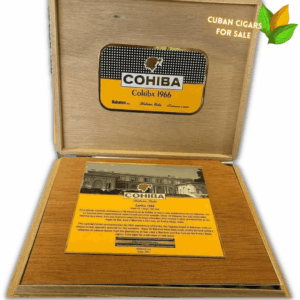
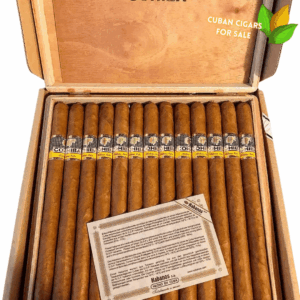
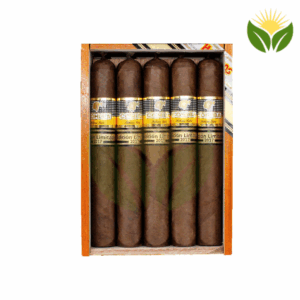
Look, I’ve been smoking Cubans since the mid-90s, and I can count on one hand the cigars that made me actually stop mid-smoke and just… appreciate what I was holding. The Cohiba Siglo 6 Gran Reserva 2003 is one of them. No joke. This isn’t just another limited edition Habanos slapped with fancy packaging – this is what happens when Cuba’s finest tobacco gets an extra five years of aging before it even sees the inside of a box. We’re talking about leaves from the 1999 and 2000 harvests, rolled in 2003, then aged until 2009 before release. That kind of patience? That’s what separates the legends from the pretenders.
Here’s the thing – Gran Reserva releases don’t come around often. Habanos S.A. has only released a handful since they started the program, and each one represents the absolute pinnacle of what Cuban cigar making can achieve. The Siglo 6 Gran Reserva 2003 was actually the second Gran Reserva ever released. I remember when these hit the market in 2009. People went absolutely insane trying to get their hands on them. And honestly? They were right to.
What Makes This Cohiba So Damn Special
The Cohiba brand needs no introduction, but let me back up for a second. Created in 1966 as the private brand for Fidel Castro and high-ranking government officials, Cohiba wasn’t even available to the public until 1982. It remains the flagship brand of Cuban cigars – the one that gets first pick of the tobacco from the legendary Vuelta Abajo region. That alone tells you everything you need to know about quality standards.
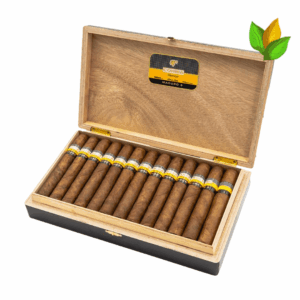
But the Siglo 6 Gran Reserva takes it several steps further. The regular Siglo 6 (or Siglo VI if you want to be fancy about it) is already an exceptional smoke – it’s part of the Línea Clásica that debuted in 1992. Now imagine taking that same vitola and feeding it only the most exceptional tobacco from two specific vintage years. Then age everything an extra five years beyond the normal process. The result is something that transcends the normal smoking experience.
This cigar is for the serious aficionado. I’ll be honest with you – if you’re relatively new to Cuban cigars, this might be wasted on you. Not trying to gatekeep here, but it’s like giving a 30-year-old Scotch to someone who usually drinks beer. You need some experience under your belt to truly appreciate the nuance and complexity we’re dealing with here. The target smoker? Someone who’s already familiar with the standard Cohiba lineup, understands the impact of aging on tobacco, and wants to experience what Cuban cigars are capable of at their absolute peak.
| Specification | Details |
|---|---|
| Vitola | Cañonazo (Siglo VI) |
| Length | 5.9 inches / 150 mm |
| Ring Gauge | 52 |
| Wrapper | Cuban Vuelta Abajo (1999-2000 harvest) |
| Binder | Cuban Vuelta Abajo |
| Filler | Cuban long filler, triple cap, includes medio tiempo leaves |
| Strength | Medium to Full |
| Smoking Time | 70-90 minutes |
The Smoking Experience – And Why It Ruins Other Cigars
Okay, so let me walk you through what actually happens when you light one of these up. And I know this sounds dramatic, but this cigar genuinely changed my expectations for what aged tobacco can do.
The cold draw is where you get your first hint that this isn’t a normal cigar. There’s this incredibly refined cedar note – not that raw, sharp cedar you get from some younger smokes, but something mellower, rounder. Almost like opening an antique humidor that’s been seasoned for decades. You also pick up subtle leather and a whisper of sweet spice. The construction is flawless, which you’d expect given the price tag and limited nature, but I’ve seen plenty of “premium” cigars with soft spots or uneven fills. Not here. The wrapper has this beautiful oily sheen, and the triple cap is executed perfectly.
Light it up, and the first third greets you with an incredibly smooth, creamy smoke. That extended aging has done its job – all the rough edges are gone. You get waves of cedar and coffee, but it’s not the bitter espresso note you find in some full-bodied smokes. More like a perfectly balanced café con leche. There’s this underlying sweetness too, almost honeyed, that plays against mild pepper on the retrohale. Thing is, the pepper isn’t aggressive – it’s more of a gentle tingle that keeps things interesting. The burn line stays razor-sharp without any correction needed, and the ash holds solid for a good two inches. That light gray ash with those classic vertical lines? That’s primo Cuban tobacco right there.
Here’s where it gets really interesting – the second third. The complexity just blooms. You start picking up layers you didn’t notice before: roasted nuts, maybe some cocoa, leather that’s now more prominent. The coffee note evolves into something richer, darker. The strength builds from medium to medium-full, but it never crosses into territory where it overwhelms you. I’ve smoked plenty of full-strength cigars that just beat you over the head with nicotine. This isn’t that. The strength serves the flavor profile instead of dominating it. And the aroma – man, if you’re smoking this in a lounge, people will literally stop and ask what you’re smoking. It fills the room with this rich, toasty, slightly sweet smell that screams “expensive Cuban tobacco.”
The final third is where that extended aging really shows off. Some cigars turn harsh or bitter toward the end. Not this one. It actually gets smoother, if anything. The spicy notes come forward a bit more, but they’re balanced by this persistent creaminess and that cedar note that’s been there since the beginning. The coffee flavor deepens, picks up some chocolate undertones. Even down to the last inch, the smoke stays cool and refined. No harshness, no need to purge, no chemical aftertaste. Just pure, elegant tobacco flavor that lingers on your palate for a good thirty minutes after you set it down.
How It Stacks Up Against Other Cuban Legends
| Cigar | Strength | Smoking Time | Best For |
|---|---|---|---|
| Cohiba Siglo 6 Gran Reserva 2003 | Medium-Full | 70-90 minutes | Special occasions when you want the absolute pinnacle of Cuban cigar craft |
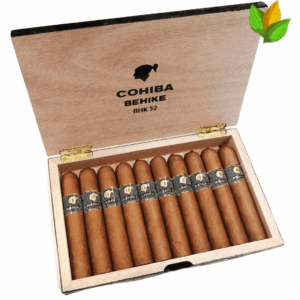
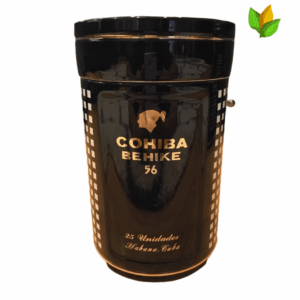
| Cohiba Behike 56 | Medium-Full | 60-75 minutes | When you want ultra-premium Cohiba but don’t want to hunt down a limited edition |
| Trinidad Fundadores | Medium | 90-110 minutes | Long smoke sessions where elegance trumps power |
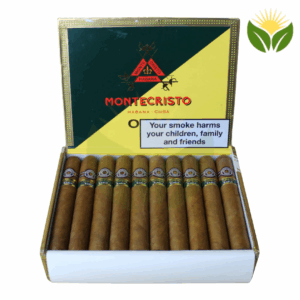
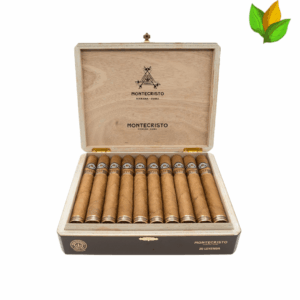
| Montecristo 80 Aniversario | Medium-Full | 70-85 minutes | Classic Cuban flavors with anniversary-level construction |
Between you and me, comparing any cigar to a Gran Reserva feels a bit unfair. It’s like comparing a standard Porsche to a limited-edition track special – they’re technically the same car, but not really. The Behike 56 is probably the closest modern production Cohiba in terms of complexity and refinement, but it doesn’t have that extra aging time. The Trinidad Fundadores offers similar elegance but at a milder strength level. And the Montecristo 80 Aniversario is exceptional, but it’s a different flavor profile altogether – more earthy and robust where the Siglo 6 Gran Reserva is refined and nuanced.
What to Pair With This Beauty
Real talk – you don’t want to overpower this cigar with the wrong pairing. I’ve seen people crack open heavy, peaty Scotches with delicate cigars and just… why? It’s like drowning a perfectly cooked steak in A1 sauce.
For spirits, you want something refined. A well-aged rum works beautifully – think Havana Club 15 Year or Ron Zacapa 23. The caramel and vanilla notes complement rather than compete. If you’re a whiskey person, go with something smooth – a Highland single malt like Glenmorangie 18 or a premium bourbon like Woodford Reserve Double Oaked. Stay away from anything too smoky or peaty. I’ve also had excellent experiences with vintage Armagnac. That subtle fruit and oak character plays really well with the cedar and coffee notes.
Coffee pairing? Absolutely, but keep it simple. A well-prepared espresso or a smooth Cuban coffee. The cigar already has those coffee notes, so you’re enhancing rather than introducing a new element. And if you’re more of a morning smoker – which, look, this is a substantial cigar, so make sure you’ve eaten – a good café con leche works perfectly.
Occasion-wise, this is an evening cigar. Something you smoke after a significant meal, preferably with friends who appreciate what they’re experiencing. Anniversary dinner? Perfect. Celebrating a major business deal? Absolutely. Random Tuesday because you had a rough day? I mean, I’m not going to judge, but maybe save it for something more special. The smoking time alone – we’re talking 90 minutes if you’re taking your time – means this isn’t a quick lunch break smoke.
How does the Gran Reserva aging process differ from regular Cohiba cigars?
The Gran Reserva line gets a minimum of five additional years of aging beyond the standard maturation process. For the 2003 Gran Reserva, they used tobacco from the 1999 and 2000 harvests, rolled the cigars in 2003, then aged them until 2009 before release. Regular Cohibas typically get 2-3 years of aging total. This extended aging mellows the tobacco significantly, removes any harshness, and allows the flavor components to marry into something much more complex and refined. You can taste the difference immediately – the smoke is creamier, the flavors more integrated, and there’s zero bite or roughness.
What’s the difference between the Siglo 6 Gran Reserva 2003 and the regular Siglo VI?
They’re the same vitola and basic blend, but the Gran Reserva uses only the finest tobacco from specific vintage years (1999-2000 harvests) and gets that extra five years of aging. The regular Siglo VI is an excellent cigar – don’t get me wrong – but the Gran Reserva is noticeably smoother, more complex, and more refined. Think of it like comparing a good wine to the same vineyard’s reserve vintage. The DNA is the same, but the execution and aging take it to another level entirely. The flavor profile is similar but deeper and more nuanced in the Gran Reserva.
Can these cigars still age further, or are they already at peak?
Honestly? These are already phenomenal right now, and we’re talking about cigars that are 20+ years old at this point. That said, properly stored Cuban cigars can continue to develop for decades. If you’ve got the patience and the proper humidor setup (65-70% humidity, stable temperature around 65-70°F), these will continue to mellow and evolve. Some aficionados swear that another 5-10 years will add even more complexity. But here’s my take – they’re absolutely smoking beautifully right now. If you have a box, smoke some and save some. That way you can experience the evolution yourself.
Is the strength level manageable for someone used to medium-bodied cigars?
Yeah, I think so. The strength builds from medium to medium-full, but it’s not a nicotine bomb like some full-bodied cigars. The extended aging has smoothed everything out considerably. That said, make sure you’ve eaten before smoking this – it’s a substantial cigar with a 90-minute smoke time. Have some water or a light snack nearby, especially if you’re sensitive to nicotine. The strength serves the flavor rather than overwhelming it, which is what separates truly premium cigars from stuff that’s just strong for the sake of being strong. Start on a full stomach, take your time, and you’ll be fine.
What’s the best way to store these cigars to preserve their quality?
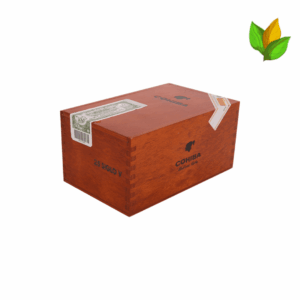
Given their age and value, you want to be careful here. Keep them in a well-maintained humidor at 65-68% relative humidity – not higher. These aged cigars don’t need as much moisture as younger sticks. Temperature should stay stable around 65-70°F. Avoid temperature swings at all costs. If you’re storing them long-term, keep them in their original boxes – those cedar boxes actually help regulate humidity and protect the cigars. Don’t handle them excessively, and definitely don’t mix them with younger, stronger cigars that might affect their aroma. Some collectors even dedicate a separate humidor specifically for their aged premium Cubans.
What flavors should I expect compared to other premium Cohibas?
The Gran Reserva has the classic Cohiba DNA – cedar, leather, coffee – but everything is more refined and layered. Where a regular Cohiba might hit you with bold, distinct flavor notes, the Gran Reserva presents them in waves that evolve throughout the smoke. You get more creaminess, more sweetness (almost honeyed at times), and the spice is gentler. The coffee notes are richer and less bitter. There’s also this underlying complexity that’s hard to pin down – subtle nutty flavors, hints of cocoa, that perfectly aged tobacco taste that you just don’t get from younger cigars. Compared to something like the Behike line, the Gran Reserva is smoother and more elegant, with less of the earthy punch.
Are there any common rookie mistakes to avoid when smoking this cigar?
Oh man, yeah. First – don’t smoke it too fast. This is not a cigar you rush through. Puff it slowly, give it time between draws, and let the flavors develop properly. Smoking too fast will overheat it and ruin the experience. Second, don’t over-cut it – just clip enough to get a good draw. Third, don’t torch the hell out of it when lighting. Toast the foot gently and evenly. And probably the biggest mistake? Pairing it with something overpowering. I’ve seen people smoke these with heavily peated Scotch or super strong coffee and just completely miss the nuances. Also, don’t smoke it straight from the humidor if it’s been stored at higher humidity – let it rest for 30 minutes to an hour. Aged cigars like this smoke better at slightly lower moisture content.
Final Thoughts From Someone Who’s Smoked Way Too Many Cigars
I’ll be blunt – the Cohiba Siglo 6 Gran Reserva 2003 represents everything that makes Cuban cigars legendary. Is it the absolute best cigar I’ve ever smoked? That’s tough to say – I’ve had some incredible experiences with various limited editions over the years. But it’s definitely in the top tier. What makes it special isn’t just the quality of the tobacco or the extra aging, though those obviously matter. It’s the complete package: flawless construction, complex flavor evolution, perfect balance between strength and finesse, and that indefinable quality that only comes from properly aged premium tobacco.
Thing is, these Gran Reserva releases are getting harder to find as time goes on. People bought them, smoked some, and stashed the rest away. The remaining stock is scattered among collectors and specialty retailers. If you have the opportunity to experience one of these, don’t pass it up. Whether you’re adding it to your collection or planning to smoke it for a special occasion, you’re getting a piece of Cuban cigar history.
This is what Habanos S.A. is capable of when they pull out all the stops. This is the cigar that reminds you why Cuban tobacco earned its reputation in the first place. And honestly? Even after all these years in the hobby, cigars like this still make me appreciate what a perfectly executed smoke can be.