
Description
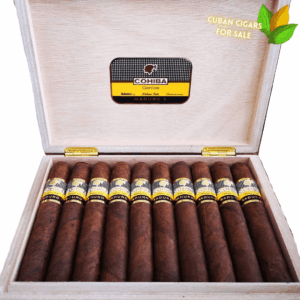
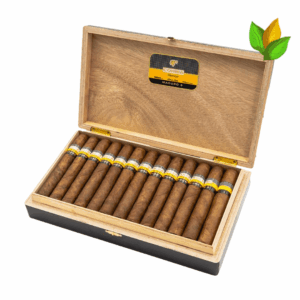
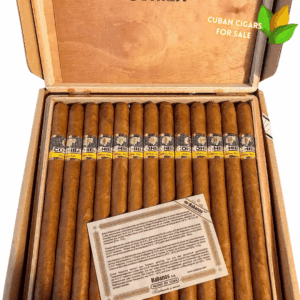
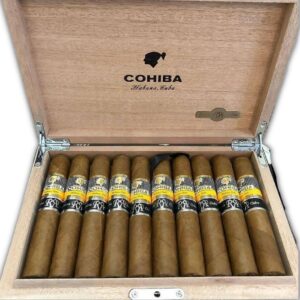
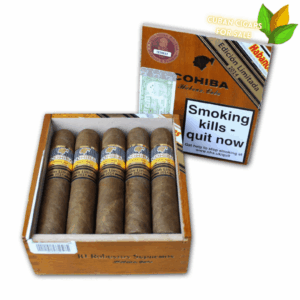
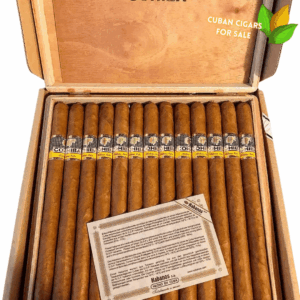
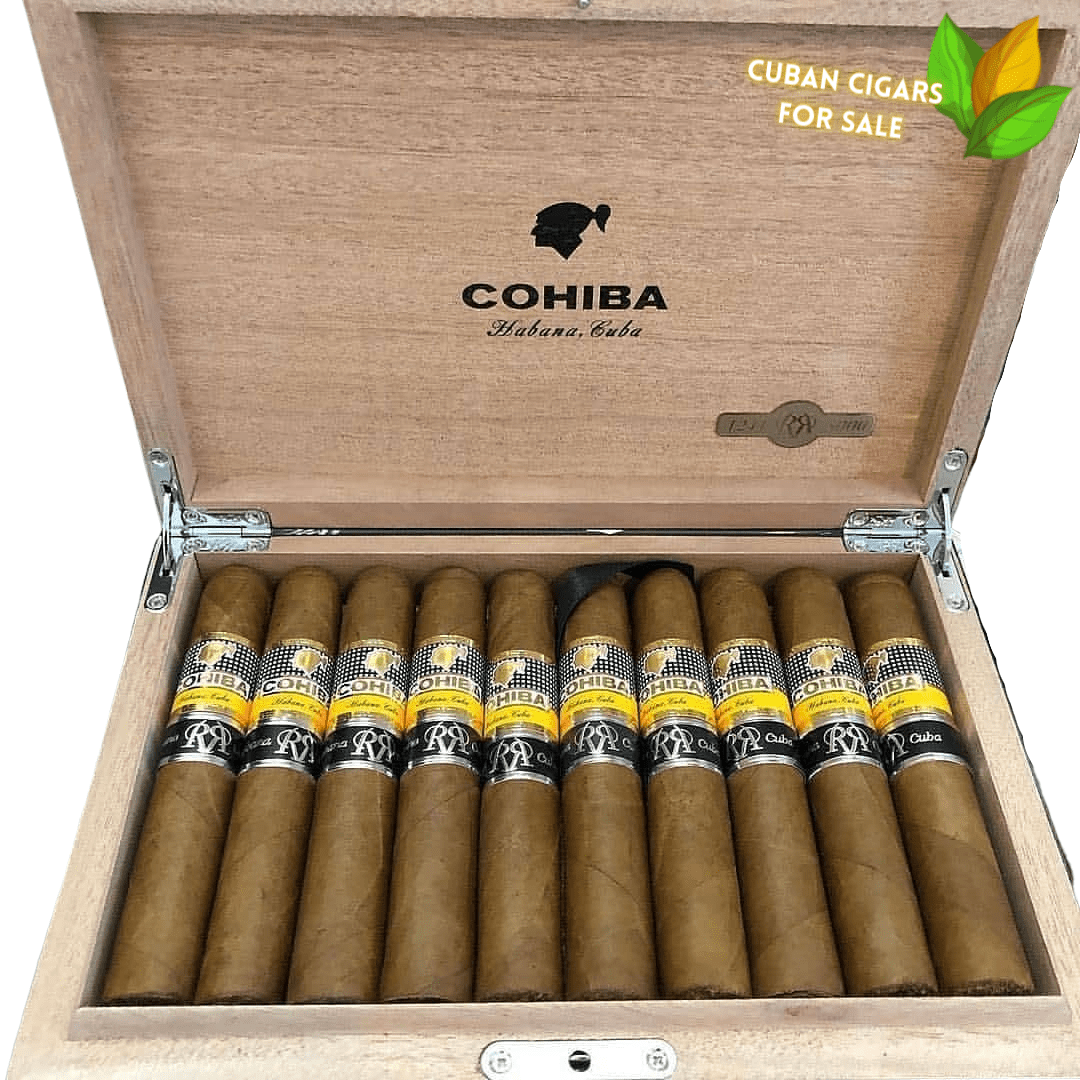
The aroma hit me before I even saw the box – that unmistakable scent of aged Cuban tobacco mixed with cedar and something deeper, more complex. The year was 2015, and I was standing in a dimly lit humidor in Geneva when my host carefully lifted the wooden lid to reveal fifteen perfectly arranged specimens, each bearing the familiar gold and black bands that have graced the finest habanos for decades. This wasn’t just any release from the legendary Cuban brand – this was something extraordinary, a limited production that represented the pinnacle of tobacco artistry using leaves harvested in 2003 and aged to perfection.
The Cohiba Siglo 6 Gran Reserva 2003 stands as one of the most sought-after releases in recent memory, with only 5,000 boxes produced worldwide. In my years of smoking cigars from Cuba, few have delivered the complexity and refinement I experienced with this particular vitola.
Technical Specifications
| Specification | Details |
|---|---|
| Length | 150mm (5 7/8″) |
| Ring Gauge | 52 |
| Vitola | Cañonazo (Siglo VI) |
| Strength | Medium-Full |
| Smoking Time | 60+ minutes |
| Wrapper Origin | San Juan y Martínez, San Luis |
| Factory | El Laguito |
Construction and Appearance
The moment you hold a Cohiba Siglo VI, you understand why this marca commands such respect. The wrapper displays a gorgeous dark chocolate hue with an oily sheen that catches the light beautifully. I’ve handled countless Cuban cigars, but the construction quality here is simply immaculate.
The leaf feels substantial yet supple between your fingers. There’s a slight tooth to the texture – not rough, but with enough character to let you know this is serious tobacco. The cap is applied flawlessly, and I’ve never encountered a Gran Reserva from this numbered production that wasn’t perfectly rolled.
What strikes me most is the weight distribution. At 14.67 grams, it feels substantial without being dense. The best tobacco from Cuba has this particular heft that comes from proper aging and careful selection, and this cigar exemplifies that quality.
The famous Cohiba bands – both the primary gold and black, plus the special Gran Reserva secondary band – are applied with precision. No wrinkles, no misalignment. It’s these details that separate a true premium habano from lesser offerings.
Flavor Profile by Thirds
Opening Third
The first draws reveal a surprisingly gentle character for what will become a powerhouse. Leather dominates initially – not harsh saddle leather, but the supple, broken-in kind you find in a fine jacket. White pepper tickles your sinuses just enough to announce itself without overwhelming.
There’s a woody foundation here, likely cedar from the aging process, but it’s subtle. Honestly, I was almost concerned the cigar might be too mild given its reputation, but patience pays off with aged tobacco.
Middle Third
This is where the magic happens. The profile transforms into something magnificent as espresso notes emerge alongside hints of anise. I’ve found that the earthiness characteristic of Cuban leaf becomes more pronounced here – that musty richness that can’t be replicated anywhere else.
Tea leaves and cocoa powder join the symphony. The leather remains but takes a supporting role. This transition happens gradually over several minutes, and I recommend smoking slowly to catch every nuance.
Final Third
The crescendo arrives in the final portion. Cocoa intensifies to near-chocolate levels while a distinct licorice finish develops on the retrohale. The musty richness peaks here, delivering what I can only describe as the most complex cigar I have ever smoked in this vitola.
Honey sweetness weaves through spice and nuts. Cedar returns but now carries creamy, almost custard-like undertones. Citrus brightness appears sporadically, along with sweet floral notes that remind me of honeysuckle. The beauty lies in how these flavors shift with nearly every puff.
Pairing Recommendations
After multiple sessions with this cigar, I’ve discovered several exceptional pairings. For rum, I recommend Diplomatico Reserva Exclusiva – its vanilla and dried fruit notes complement the cigar’s sweetness without competing with the tobacco.
Single malt Scotch works beautifully, particularly Highland expressions like Macallan 18. The sherry influence echoes the cigar’s nutty characteristics while the oak aging mirrors the tobacco’s complexity.
Coffee enthusiasts should try a medium roast Jamaican Blue Mountain. The clean acidity cuts through the cigar’s richness while highlighting those espresso notes in the middle third.
For wine, I suggest a well-aged Rioja Gran Reserva. The earthy leather tones and mature tannins create a harmonious bridge with the tobacco’s inherent characteristics.
Who Should Smoke This Cigar
This isn’t a cigar for beginners. The complexity demands experience to fully appreciate, and the price point makes it a special occasion smoke. I recommend this for seasoned aficionados who understand the nuances of aged habanos and can dedicate the full hour-plus required.
It’s perfect for celebrations – promotions, anniversaries, or simply marking the end of a successful project. The rarity makes it a conversation starter among knowledgeable enthusiasts.
Given the strength profile, it works well as an after-dinner cigar but isn’t so powerful that it overwhelms during late afternoon sessions. I’ve enjoyed it both ways, though evening seems to suit its character best.
Cutting and Lighting Techniques
For a ring gauge of 52, I prefer a guillotine cut rather than a punch. The draw needs to be perfect to appreciate the flavor transitions, and a clean straight cut provides optimal airflow.
Proper lighting technique becomes crucial with aged tobacco like this. Use a butane torch and toast the foot evenly, rotating slowly. Don’t rush this process – the initial light sets the tone for the entire smoking experience.
I recommend letting the cigar rest for 30-60 seconds after lighting before taking the first draw. This allows the combustion to stabilize and prevents any harsh initial notes from overshadowing the cigar’s true character.
Draw Considerations
The construction quality means the draw should be perfect, but if you encounter any tightness, resist the urge to use a draw tool immediately. Sometimes these aged cigars need a few minutes to open up naturally as the oils warm.
Storage and Aging Potential
Proper storage becomes even more critical with a cigar of this caliber. Maintain 65-68% humidity and 65-70°F temperature. The aged tobacco can be sensitive to humidity swings, so invest in a quality hygrometer.
These cigars continue to evolve even after release. I’ve smoked examples from the same box over several years, and the flavors continue developing. The honey notes become more pronounced while the pepper mellows further.
For long-term storage, consider setting up a dedicated humidor section for your most precious cigars. The investment in proper storage equipment pays dividends with cigars of this quality.
Aging Timeline
If you’re fortunate enough to have multiple examples, try smoking one every year or two. The tobacco was already aged five years before rolling, but additional time continues to integrate and smooth the flavors.
Authenticity Verification
With the value and rarity of these cigars, counterfeits unfortunately exist. Authentic examples feature pristine band application with sharp text printing and proper holographic elements on the Gran Reserva secondary band.
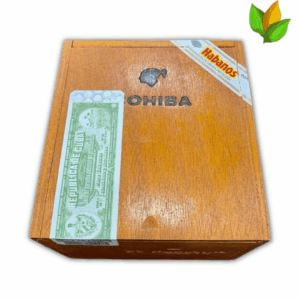
The box includes specific authentication features: numbered production stamps, proper Habanos seals, and correct factory codes. Purchase only from authorized dealers or reputable sources with proven track records.
The wrapper should display that characteristic oily sheen and proper color consistency. Fake examples often have dull wrappers or incorrect color tones. Trust your instincts – if something seems off, it probably is.
The tobacco from the renowned Vuelta Abajo region has distinctive characteristics that are difficult to replicate, making authentic examples relatively easy to identify for experienced smokers.
Frequently Asked Questions
How does this compare to regular Cohiba Siglo VI?
The Gran Reserva version uses tobacco harvested in 2003 and aged for five additional years before rolling. This extended aging creates significantly more complexity and smoothness compared to the standard production. The flavor profile is richer, more integrated, and displays none of the occasional harshness sometimes found in younger examples.
Is this cigar worth the premium price?
In my experience, absolutely. The combination of limited production, extended aging, and exceptional construction justifies the cost for serious collectors and enthusiasts. However, it’s definitely a special occasion cigar rather than an everyday smoke. The complexity and refinement represent the pinnacle of Cuban cigar artistry.
How long can these cigars be stored?
With proper storage conditions, these cigars will continue improving for decades. The extended aging process before release means they’re already at an excellent smoking point, but additional time in your humidor will continue developing the flavors. I’ve smoked examples after 8+ years of additional aging, and they were phenomenal.
What makes the 2003 harvest special?
The 2003 harvest from San Juan y Martínez and San Luis regions was exceptional due to ideal weather conditions during the growing season. The leaves displayed perfect oil content and flavor development, making them ideal candidates for the Gran Reserva treatment. This particular harvest is considered one of the finest in recent decades.
Should I smoke this cigar immediately or age it further?
These cigars are perfect for smoking upon purchase – remember, they’ve already undergone extensive aging. However, if you have multiple examples, I’d recommend smoking one now and storing others for future enjoyment. The beauty of aged tobacco is how it continues evolving, and comparing the same cigar over time provides fascinating insights into tobacco development.