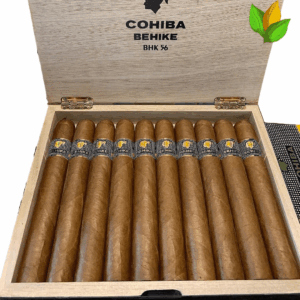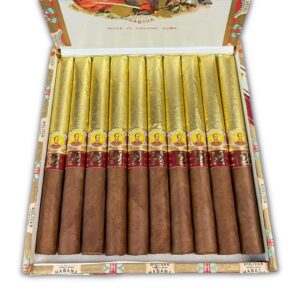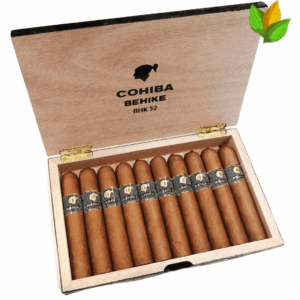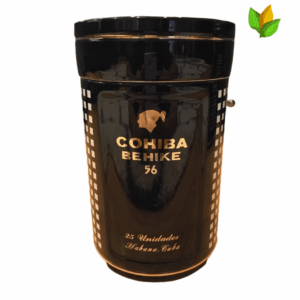

Description
The leather chair creaked beneath me as I settled into the corner of that dimly lit Havana lounge, watching smoke curl lazily toward the mahogany ceiling. The bartender had just recommended something special – a piece from Cuba’s most prestigious brand – and as he handed me the perfectly constructed cylinder, I knew this evening would be different.
The Cohiba Robusto represents the pinnacle of Cuban cigar craftsmanship, a benchmark smoke that’s earned its reputation through decades of consistent excellence. I’ve been smoking cigars for over fifteen years, and honestly, this particular vitola continues to surprise me with its sophisticated complexity. Every time I shop for cigars, I find myself drawn back to this classic format – there’s something about the proportions that just works perfectly.
In my experience, few cigars deliver such a complete smoking experience. The balance between strength and flavor makes it accessible to many smokers while still offering the depth that keeps experienced aficionados coming back. I’ll share everything I’ve learned about this remarkable Cuban creation, from its construction to its flavor evolution.
Specifications
| Length | 4 7/8 inches (124mm) |
| Ring Gauge | 50 |
| Strength | Medium to Full |
| Smoking Time | 45-75 minutes |
| Wrapper | Cuban Corojo (Vuelta Abajo) |
| Official Weight | 11.66g |
Construction and Appearance
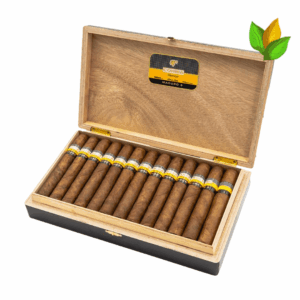
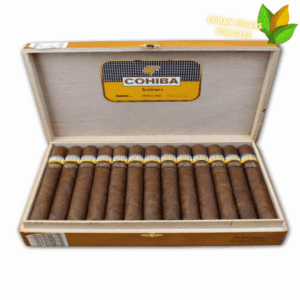
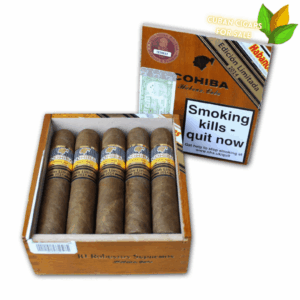
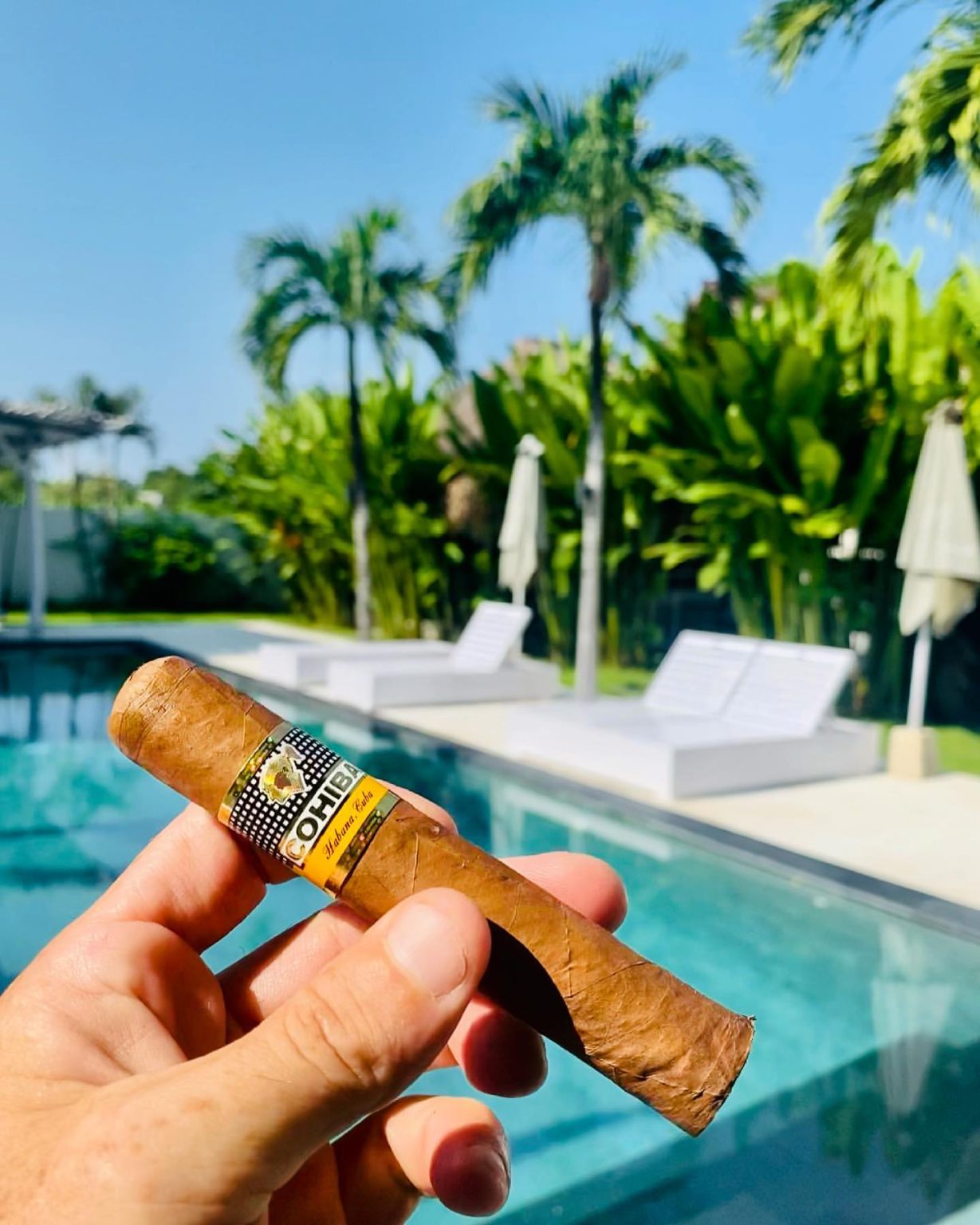
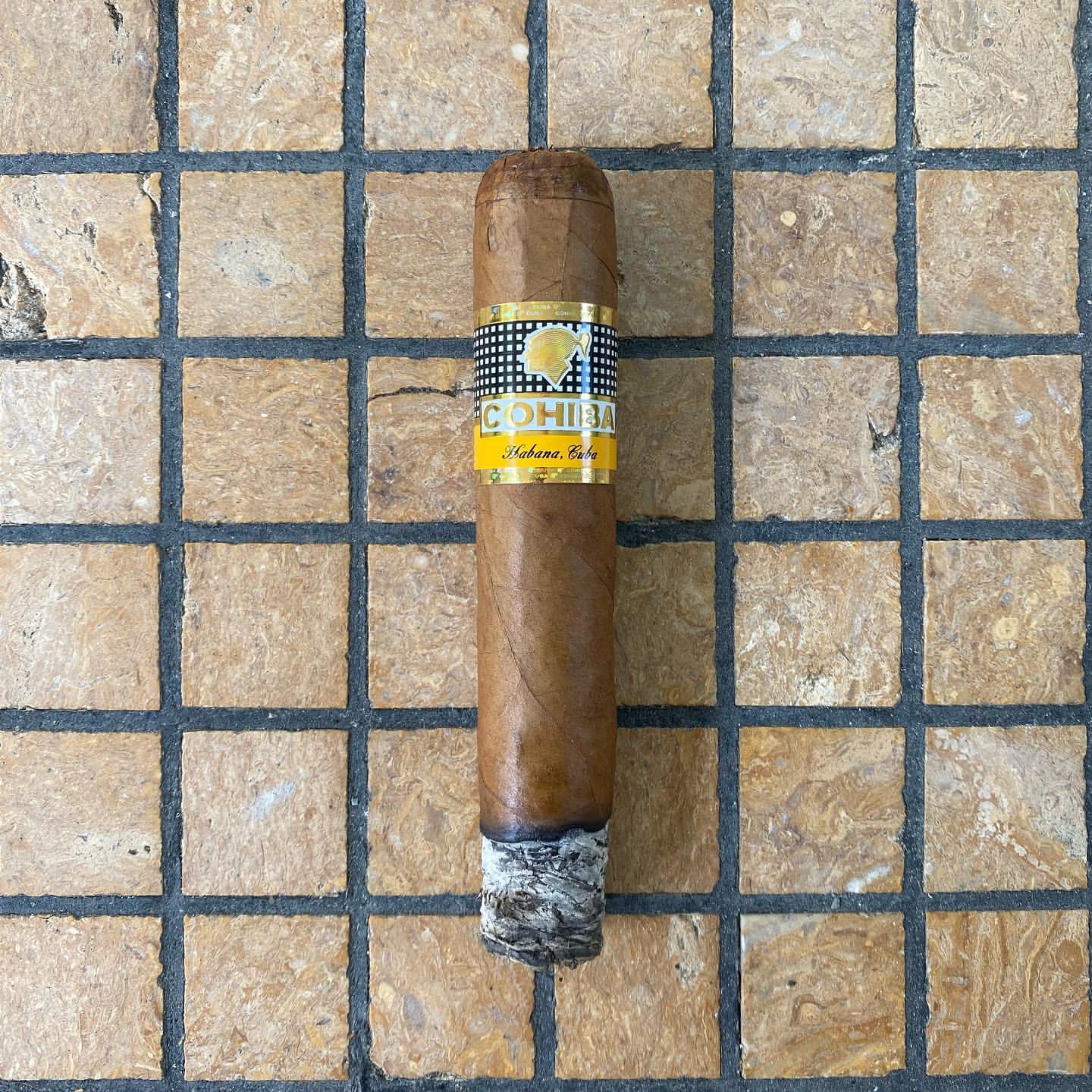
The first thing you notice when examining a genuine Cohiba Robusto is the wrapper quality. That beautiful light tan Corojo leaf has an almost oily sheen that catches the light. I’ve handled thousands of cigars, and the wrapper on these consistently shows minimal veins with a silky smooth texture that feels substantial between your fingers.
The construction is where Cuban craftsmanship truly shines. Each cigar features the signature triple flat cap, applied with precision that would make any roller proud. The bunch feels solid without being overpacked – you can sense the careful balance that will translate into an effortless draw. When you roll one between your fingers, there’s no soft spots or hard lumps, just consistent density throughout.
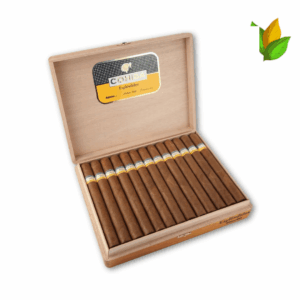
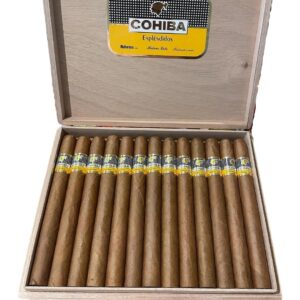
The legendary Cohiba band sits perfectly positioned, with its distinctive hologram and crisp printing. As someone who’s unfortunately encountered counterfeits, I can tell you the authentic bands have a quality that’s immediately apparent. The El Laguito No. 2 factory in Havana produces these with meticulous attention to detail that reflects decades of tradition.
What really impresses me about the physical appearance is how each piece in a bundle maintains such consistency. Whether you’re examining the first cigar or the fifteenth in a box, that quality control remains evident. The foot shows a beautiful blend of properly aged tobaccos, with varying leaf colors that hint at the complexity waiting inside.
Flavor Profile: A Journey in Three Acts
First Third: The Elegant Introduction
The opening draws immediately establish why this Cuban has earned such acclaim. The smoke is typically smooth and creamy, with an almost luxurious texture that coats your palate. I consistently taste earthy base notes – that distinctive Vuelta Abajo terroir – complemented by subtle hints of cedar and toasted nuts.
There’s a mild spice that tingles the tongue without overwhelming, perfectly balanced by an underlying sweetness. The draw is supple and effortless, producing ample smoke that carries these flavors beautifully. Honestly, this first third often reminds me why I fell in love with Cuban cigars in the first place. The complexity is there, but it’s refined and approachable.
Middle Third: Building Intensity
As the cigar progresses into its heart, the rating jumps from medium to medium-full strength. This transition is where the Cohiba Robusto truly distinguishes itself from other robustos. Rich chocolate notes emerge, followed by coffee bean flavors that add depth without bitterness.
I’ve found that leather undertones become more prominent here, creating a sophisticated backdrop for subtle hints of sweetness. The ash, which has been building steadily, typically holds firm for over two inches with that beautiful dark grey color that indicates proper combustion. The smoke becomes thicker and more luxurious, demanding slower, more contemplative puffs.
Final Third: The Powerful Crescendo
The final portion delivers the intensity that makes this a favorite among experienced smokers. Spice levels intensify significantly, but never harshly. Instead, you get waves of warming spice punctuated by dried fruit notes – I consistently pick up raisins and figs, along with vanilla undertones that add smoothness.
Creamy coffee flavors persist right to the nub, with that thick, rich smoke that lingers pleasantly on the palate. This is where the true craftsmanship shows – many cigars become harsh or hot in the final third, but the Cohiba maintains its balance and complexity right to the end. It’s a powerful finish that leaves you satisfied yet already planning your next one.
Perfect Pairings
After years of experimentation, I’ve discovered some exceptional combinations that complement this cigar’s unique character. The creamy texture and spicy finish make it particularly well-suited for certain spirits and beverages.
Rum Pairings
Cuban cigars naturally pair with quality rum, and I’ve found Havana Club 7 Años to be exceptional with the Cohiba Robusto. The rum’s sweetness enhances the cigar’s natural spice while the aged character matches the tobacco’s complexity. Diplomático Reserva Exclusiva offers another excellent option, with its vanilla notes echoing the cigar’s creamy finish.
Whiskey Selections
For whiskey lovers, Glenfiddich 12-Year provides a beautiful Scotch option. The single malt’s subtle peat and honey notes balance the cigar’s earthiness perfectly. If you prefer American whiskey, Jack Daniel’s Gentleman Jack offers enough smoothness to complement without competing.
Cognac Excellence
Hennessy VSOP creates an absolutely sublime pairing. The cognac’s dried fruit and vanilla notes mirror the cigar’s final third beautifully, while its smooth finish doesn’t overpower the tobacco’s subtleties. This combination transforms a good smoke into a truly memorable experience.
Who Should Smoke This Cigar
The Cohiba Robusto occupies a sweet spot that makes it appealing to a broad range of cigar enthusiasts. If you’re relatively new to premium cigars but have some experience with medium-bodied smokes, this could be your introduction to Cuban excellence. The strength builds gradually, giving you time to adjust to its intensity.
Experienced smokers will appreciate the nuanced complexity and exceptional construction quality. This isn’t a cigar that will overwhelm you with nicotine, but rather one that rewards attention and contemplation. I’ve shared these with everyone from weekend warriors to daily smokers, and the response is consistently positive.
For special occasions, few cigars make a better impression. Business dinners, celebrations, or those rare quiet evenings when you want something truly exceptional – the Cohiba Robusto delivers every time. The smoking time of 45-75 minutes makes it perfect for unhurried enjoyment without requiring an entire afternoon commitment.
If you’re someone who appreciates craftsmanship and tradition, you’ll find everything you’re looking for here. This represents Cuba’s finest tobacco heritage in a perfectly proportioned format.
Cutting and Lighting Technique
Proper preparation is crucial for getting the most from your Cohiba Robusto. I always use a sharp guillotine cutter positioned about 1/8 inch from the head, cutting through that beautiful triple cap in one confident motion. The goal is to open the cigar without damaging the wrapper or creating loose tobacco pieces.
For lighting, I prefer a butane torch or cedar spills – never use sulfur matches or paper matches that can impart unwanted flavors. Toast the foot evenly by rotating the cigar slowly, watching for that perfect orange glow across the entire surface. Take your first few draws gently; this cigar rewards patience with superior burn characteristics.
The 50 ring gauge means you’ll get plenty of smoke volume, but don’t rush the process. Let the cigar establish its rhythm – typically within the first inch, you’ll know if you’ve achieved the proper light. Proper smoking technique becomes even more important with premium cigars like this.
Storage and Aging
Maintaining your Cohiba Robustos requires attention to detail. Store them at 70% relative humidity and 70°F temperature – the classic 70/70 rule works perfectly for these Cuban gems. I use a Spanish cedar-lined humidor with distilled water-based humidification devices to maintain consistency.
Avoid humidity fluctuations that can damage that precious Corojo wrapper or affect the burn characteristics. The oily nature of the wrapper makes it particularly sensitive to environmental changes. I’ve learned this the hard way after losing some expensive cigars to improper storage conditions.
Here’s something many smokers don’t realize: Cohibas benefit significantly from aging. If you can resist the temptation, let them rest for two years or more. The flavors marry and mellow, creating an even more sophisticated smoking experience. I keep detailed notes on purchase dates and have been amazed at how these cigars continue evolving over time.
Proper humidor maintenance becomes investment protection when you’re dealing with cigars of this caliber. A good hygrometer and regular monitoring will ensure your bundle remains in perfect condition for years.
Authenticity Guide
With Cohiba’s prestigious reputation comes the unfortunate reality of counterfeits. I’ve encountered numerous fakes over the years, and learning to identify authentic markers has saved me from costly mistakes. The genuine article has specific characteristics that counterfeiters struggle to replicate properly.
Look for the triple flat cap applied with precision – fakes often have sloppy or incorrectly constructed caps. The wrapper should have that distinctive oily sheen with minimal veins. Counterfeits frequently use inferior wrapper leaf that looks dry or brittle. The bunch should feel solid and consistent; fake cigars often have loose or overpacked construction.
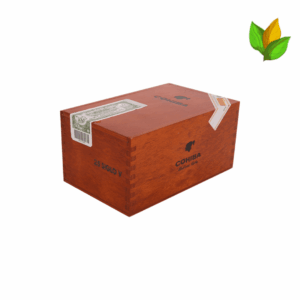
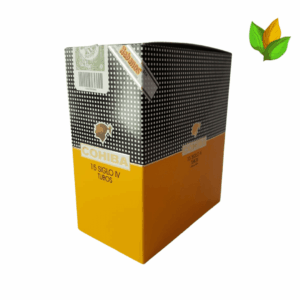
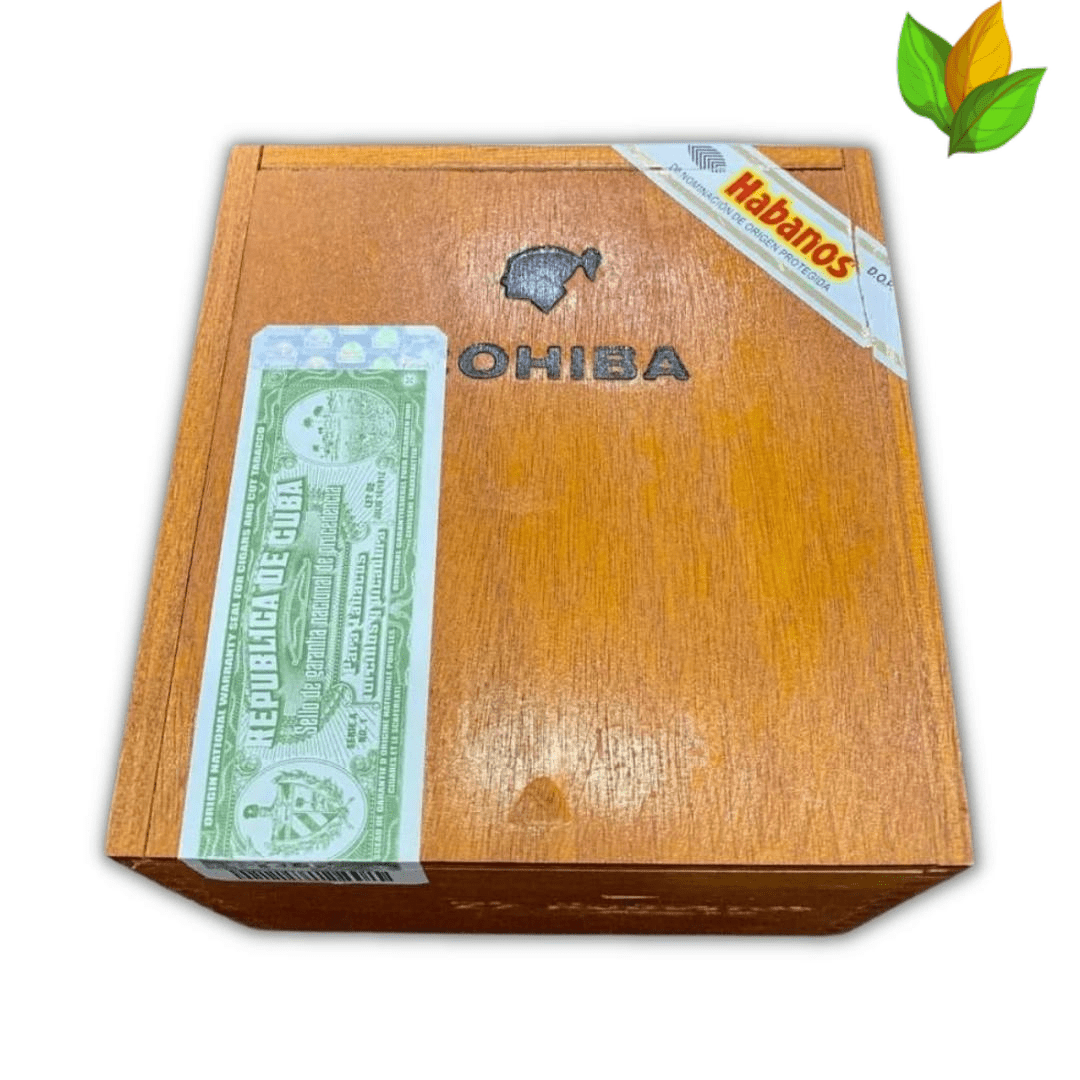
The Habanos band progression follows specific patterns (B, C, D, E series by era), and authentic holograms have crisp, clear printing. Blurry text or misaligned elements are immediate red flags. Check the box codes too – authentic boxes of 15 have the proper D-C-C/P-3-C/B-15 packing configuration.
Most importantly, purchase from authorized dealers who can verify authenticity. Reputable sellers understand the importance of sourcing and will stand behind their products. The official weight of 11.66g can even be verified if you have precision scales.
Frequently Asked Questions
How long does a Cohiba Robusto take to smoke?
Expect 45-75 minutes depending on your puffing pace. I typically finish one in about an hour when I’m relaxing and taking my time. Faster smokers might complete it in 45 minutes, while those who really savor each draw can stretch it to 75 minutes or more.
What makes Cohiba different from other Cuban brands?
Cohiba uses a unique fermentation process where the tobacco undergoes an additional third fermentation that other brands don’t employ. All tobacco comes from the prestigious Vuelta Abajo region, and the brand maintains the highest quality standards in Cuban cigar production. The result is typically smoother and more refined than other Cuban cigars.
Should I age my Cohiba Robustos before smoking?
While they’re excellent fresh, these cigars really shine with 2+ years of proper aging. The flavors integrate and develop additional complexity that makes the wait worthwhile. I always buy extra to age while smoking others immediately – it’s the best of both worlds.
How do I know if my storage conditions are correct?
Invest in a quality digital hygrometer and maintain 70% humidity at 70°F. The wrapper should feel slightly springy to the touch, never dry or spongy. Proper humidor setup requires some initial investment but protects your cigar collection long-term.
What’s the best way to add these to my regular rotation?
I treat Cohiba Robustos as special occasion smokes rather than daily cigars, both for cost and impact reasons. Add them to your cart for celebrations, important business meetings, or when you want to impress fellow enthusiasts. The experience is too exceptional to become routine, and spacing them out makes each one more memorable.