
Description
Why the Lanceros Format Changes Everything
I’ve been smoking Cohibas for close to three decades now, and I’ll be blunt: most people reach for the wrong vitola. They grab a Robusto because it’s familiar, or a Siglo VI because the band looks impressive on Instagram. But if you really want to understand what makes Cohiba the flagship of Cuban tobacco, you need to smoke a Lanceros. This isn’t marketing speak – it’s about the physics of how tobacco burns and the art of blending for a specific format.
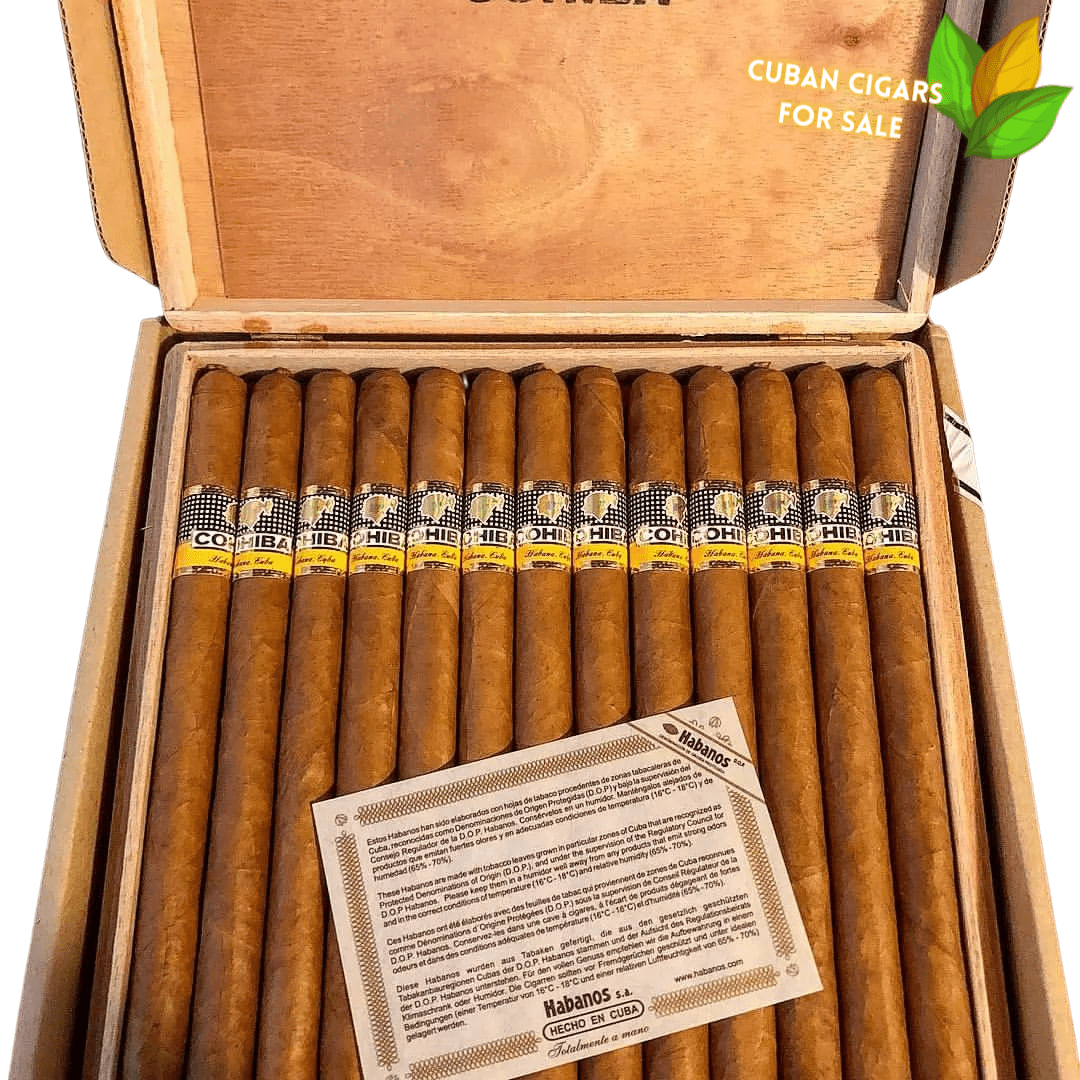
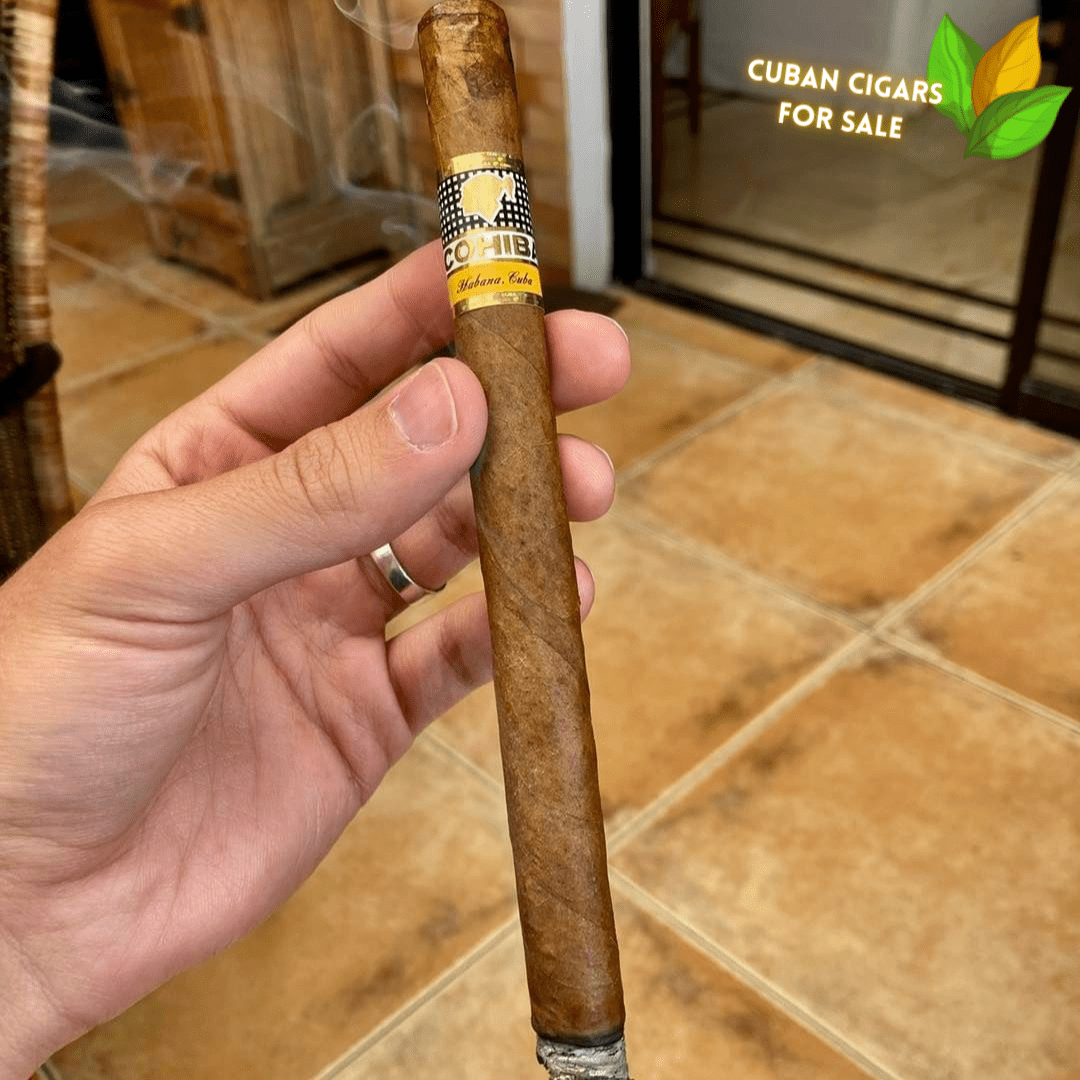
The Cohiba Lanceros 25 is one of those cigars that separates casual smokers from serious aficionados. At 7.5 inches with a 38 ring gauge, this thing is a commitment – roughly 90 minutes of your time, maybe two hours if you’re really savoring it. And that’s the point. The slim format forces the blend to reveal itself slowly, layer by layer, in a way that thicker vitolas just can’t match. There’s nowhere for imperfect construction to hide, no room for error in the tobacco selection. When a Lanceros is done right, it’s transcendent. When it’s not? Well, you’ll know within the first inch.
The Cohiba Linea That Doesn’t Get Enough Attention
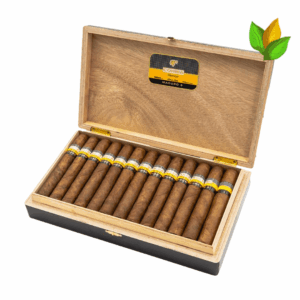
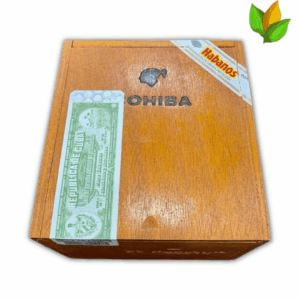
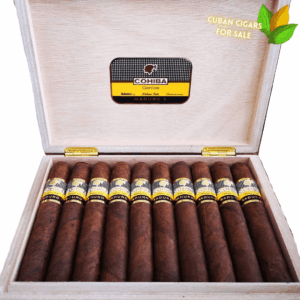
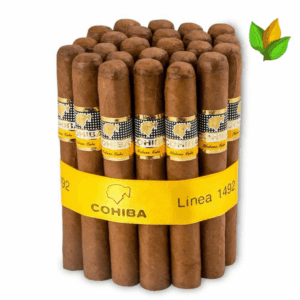
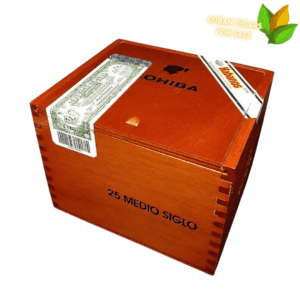
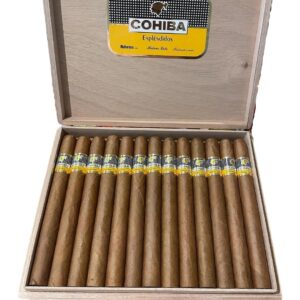
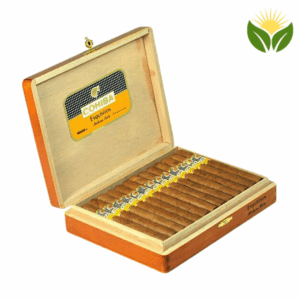
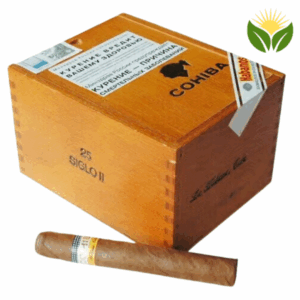
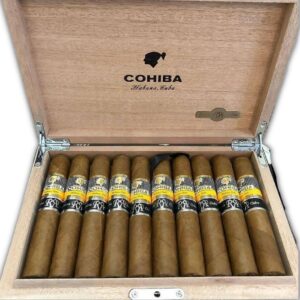
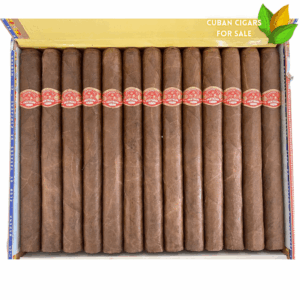
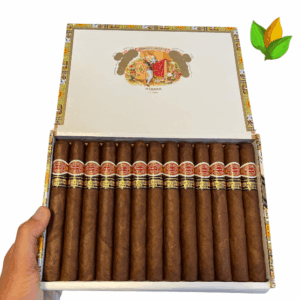
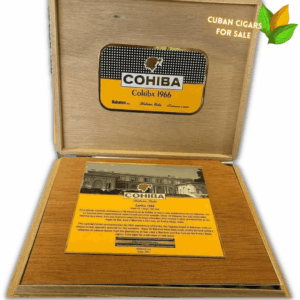
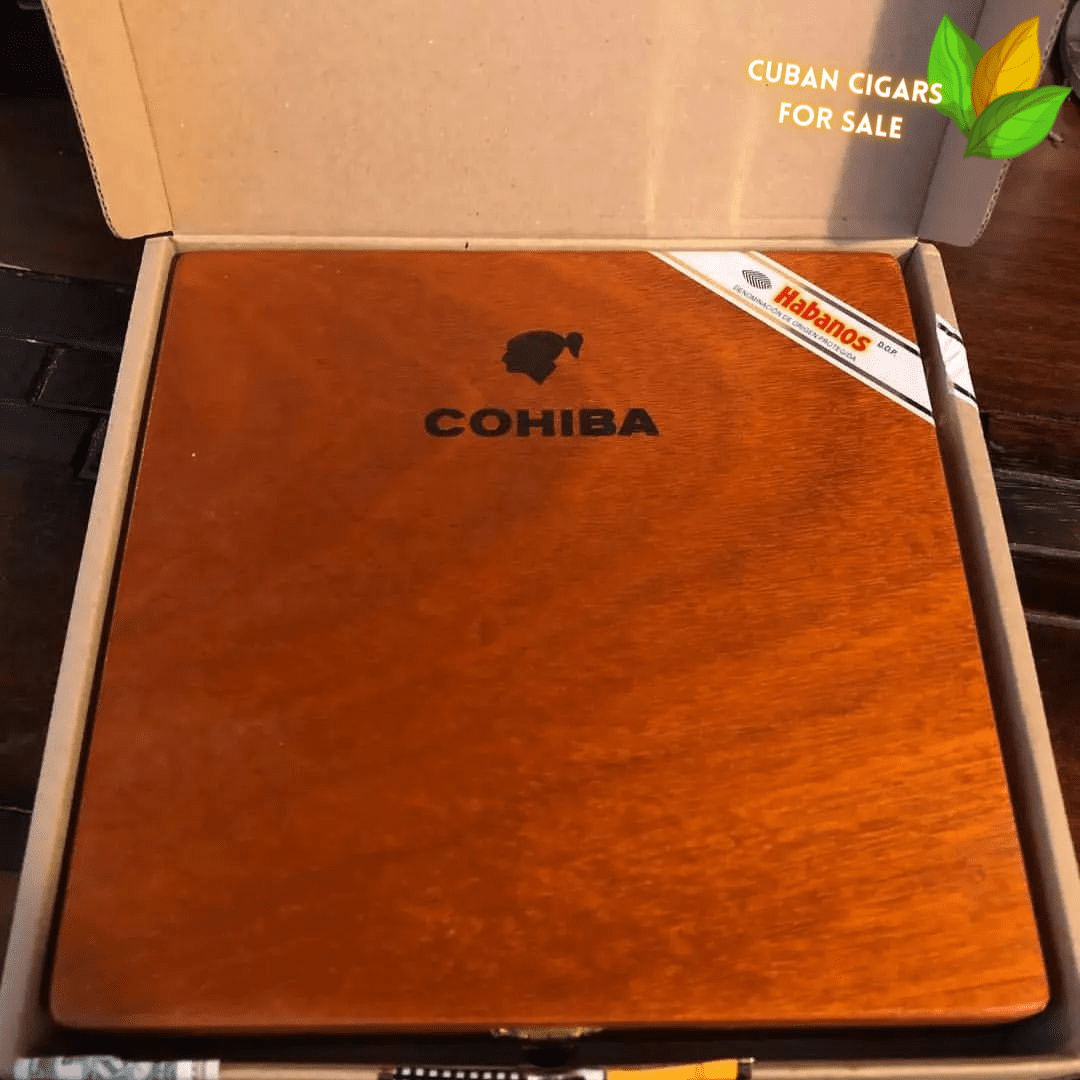
Thing is, Cohiba introduced the Lanceros format way back in 1969 – same year as the original release of what would become Cuba’s most prestigious brand. While everyone obsesses over the Siglo line (which didn’t even exist until 1992, by the way), the Lanceros has been quietly sitting there as one of the original formats, right alongside the Coronas Especiales and Panetelas. The box of 25 comes in that classic Cohiba packaging – you know the one, with those distinctive yellow and black bands that practically scream luxury even before you open it.
What makes this particular cigar special? Two things. First, like all Cohibas, these use tobacco that goes through an extra fermentation process – three rounds instead of the usual two that other Habanos get. Does it make a difference? Absolutely. The smoke is cleaner, more refined, with this almost creamy quality that you don’t find in other Cuban brands. Second, the Lanceros format itself is becoming rare. It’s expensive to produce, tricky to roll properly, and honestly most casual smokers don’t have the patience for it. But for those of us who appreciate the format, it’s the pinnacle of what Cuban cigars can achieve.
This cigar is for the experienced smoker who’s moved past the need to impress anyone. You’re not smoking this at a loud party or while doing anything else that requires attention. You’re sitting down, probably alone or with one good friend who knows when to talk and when to shut up, and you’re giving this thing the respect it demands.
| Specification | Details |
|---|---|
| Vitola | Lanceros |
| Length | 7.5 inches / 192 mm |
| Ring Gauge | 38 |
| Wrapper | Cuban Vuelta Abajo |
| Binder | Cuban Vuelta Abajo |
| Filler | Cuban Ligero, Seco, Volado blend |
| Strength | Medium to Medium-Full |
| Smoking Time | 90-120 minutes |
What You’re Actually Going to Taste
The cold draw on a Cohiba Lanceros is tight – not plugged, just firm. You’ll get hints of hay and maybe some light cedar notes. Don’t panic if it feels resistant; that’s normal for this ring gauge. Once you toast the foot and get it lit properly (and take your time with this – rushing a Lanceros is like rushing good bourbon), the first third opens up with this beautiful brightness. I’m talking about grassy notes that remind me of fresh-cut tobacco leaves, mixed with a touch of white pepper on the retrohale. The construction is usually impeccable – these rollers at El Laguito know what they’re doing. The ash builds firm and white, sometimes holding for nearly two inches before dropping.
Around the second third, things get interesting. This is where that extra fermentation really shows up. The smoke develops this creamy texture – almost buttery – and you start picking up wood notes. Not harsh oak or anything aggressive, but more like aged cedar or maybe even some light leather. There’s a natural sweetness that comes through too, kind of like honey or light caramel. I’ve smoked dozens of these over the years, and this middle section is where I find myself just sitting there, not even thinking about anything else. The burn line stays razor-sharp if you’re not puffing too fast. Actually, scratch that – if you ARE puffing too fast, you’ll notice immediately because the flavors get harsh. These slim ring gauges don’t forgive heavy smoking.
The final third is where opinions split. Some guys find it gets too strong, a bit of ammonia creeping in if the cigar’s young or hasn’t been stored well. But with proper aging – I’m talking at least a year in your humidor, maybe two – this last section becomes something special. The pepper ramps up a bit, you get some espresso notes, maybe a touch of dark cocoa. The nicotine definitely makes itself known here; if you haven’t eaten, you’ll feel it. I’ve seen guys go pale smoking these on an empty stomach. The smoke stays cool right to the nub though, which is impressive for such a long smoke. Quality tobacco does that – cheap filler heats up and gets bitter. This doesn’t.
How It Stacks Up Against the Competition
| Cigar | Strength | Smoking Time | Best For |
|---|---|---|---|
| Cohiba Lanceros | Medium-Full | 90-120 min | Experienced smokers who appreciate refined complexity |
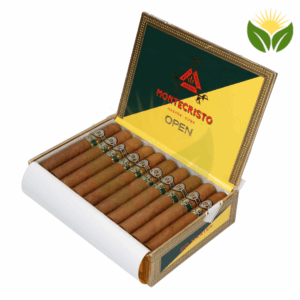
| Montecristo No. 1 | Medium | 60-75 min | Those wanting Lanceros format with lighter body |
| Cohiba Siglo VI | Medium | 75-90 min | Cohiba fans preferring thicker ring gauge |
What You Should Drink With This
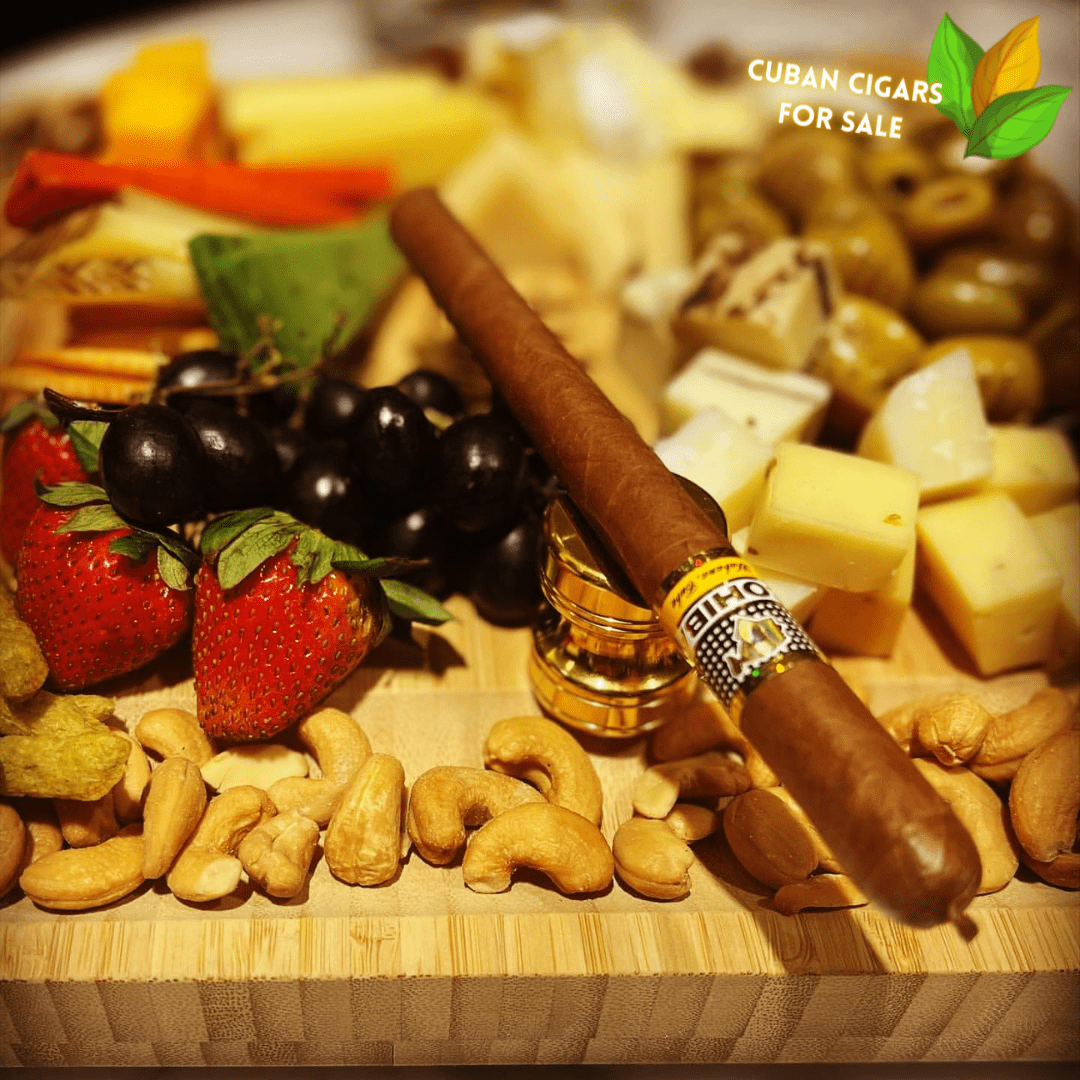
Pairing a Cohiba Lanceros is simpler than people make it out to be. The refined smoke profile doesn’t need anything too aggressive. I usually reach for a aged rum – specifically something like a Havana Club 15 Year or Diplomático Reserva Exclusiva. The sweetness complements those honey notes in the second third perfectly. Coffee works too, but not espresso – that’s too intense. A smooth café con leche or even a high-quality black coffee with low acidity.
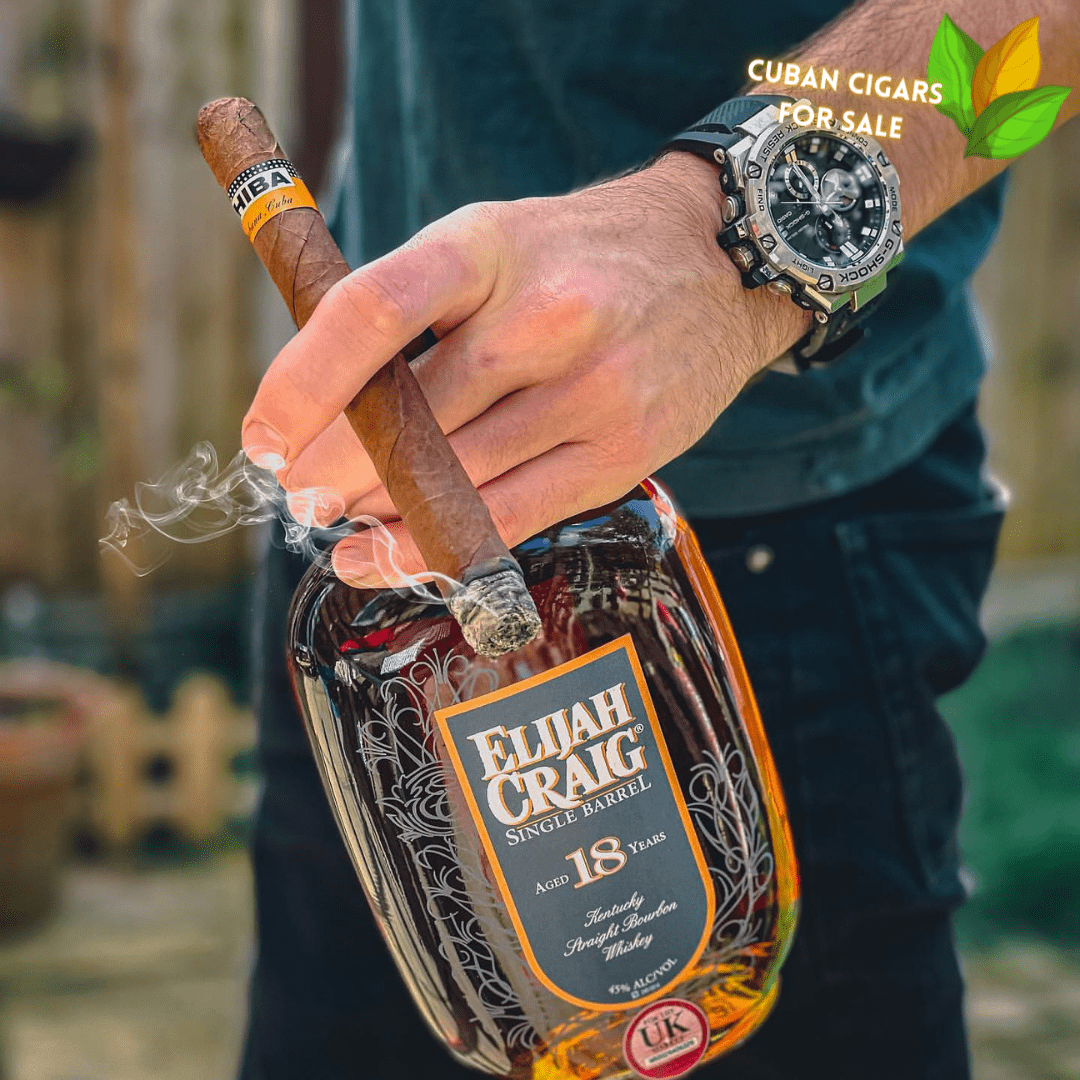
Whisky guys always ask about pairing Scotch with Cohibas, and honestly, I find most Scotches overpower the cigar. If you insist, go with something gentle like a Dalwhinnie 15 or maybe a Balvenie DoubleWood. Forget the Islay peat bombs – that’s just a waste of a good cigar. Timing-wise, this is an after-dinner smoke. Late afternoon at the earliest, but really it shines in the evening when you’ve got nowhere to be for the next two hours. Special occasions, celebrations, or honestly just Tuesday if it’s been a good week.
Everything You’re Probably Wondering
How long should I age a Cohiba Lanceros before smoking it?
Minimum one year, but honestly these really hit their stride around 3-5 years. Fresh from the box, they can be tight and a bit harsh in the final third. With age, everything mellows and integrates beautifully. I’ve got some from 2015 that are absolutely singing right now – that extra fermentation Cohiba does means these age incredibly well compared to other Cuban brands.
Why is the Lanceros format so much more expensive than other vitolas?
Two reasons: first, they’re harder to roll properly – that thin ring gauge requires serious skill and there are fewer rollers who can do it consistently. Second, you’re using longer leaves, which means premium tobacco throughout the entire cigar. There’s no hiding inferior filler in the middle like you can sometimes get away with in thicker formats. The production numbers are lower too, which drives up the cost.
What’s the difference between this and the Cohiba Siglo line?
The Siglo line was introduced in 1992 for Cohiba’s 25th anniversary and uses slightly different tobacco ratios optimized for those specific ring gauges. The Lanceros is part of the original Cohiba lineup from 1969. In terms of flavor, the Siglos trend a bit milder overall, while the Lanceros has more depth and complexity – partially due to the format allowing the smoke to cool and develop as it travels that long distance to your palate.
Can beginners smoke this cigar or is it too advanced?
I mean, you can smoke whatever you want – nobody’s going to stop you. But will you appreciate it? Probably not. The Lanceros format is unforgiving if you don’t have your smoking technique down. Puff too fast and it gets harsh. Too slow and it goes out. Plus the nicotine kicks pretty good in the final third. Start with a Siglo II or a Montecristo No. 4, get comfortable with Cuban tobacco, then graduate to this.
How should I store these to maintain quality?
Standard Cuban storage rules apply: 65-68% humidity, around 65-70°F temperature. The slim format means they’re a bit more sensitive to humidity swings than thick Robustos – too dry and they smoke hot and harsh, too wet and they plug up and won’t draw. I keep mine in the lower section of my humidor where conditions are most stable. And for the love of everything, let them rest at least a month after you receive them before smoking one.
What makes Cohiba tobacco different from other Cuban brands?
That third fermentation I mentioned earlier – it’s not marketing BS, it actually changes the tobacco. Most Cuban cigars get two fermentations; Cohiba does three. This extra process removes more ammonia and harsh elements from the tobacco, resulting in a cleaner, more refined smoke. You can literally taste the difference in how smooth these are compared to other brands. Plus they use only the top leaves from the Vuelta Abajo region’s best Vegas Finas de Primera farms.
Is the Maduro version worth trying over the natural wrapper?
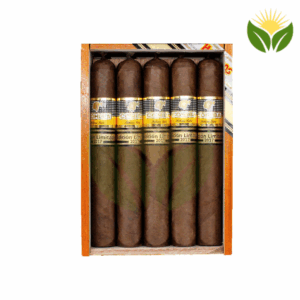
Wait, hold up – Cohiba doesn’t make a Maduro version of the Lanceros in their regular production line. If someone’s selling you a “Cohiba Lanceros Maduro,” be very careful about authenticity. The standard Lanceros comes with a natural Cuban wrapper from Vuelta Abajo. There was a Maduro line released years back, but it didn’t include the Lanceros format and honestly, they’re pretty rare. Stick with the classic natural wrapper version – that’s where the true Cohiba character shines through.
Final Thoughts From Someone Who’s Smoked Too Many of These
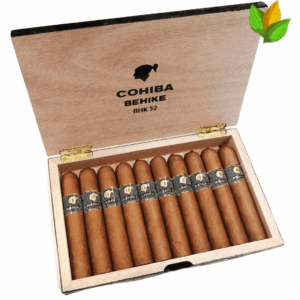
The Cohiba Lanceros 25 isn’t going to change your life or solve any problems. What it will do is give you 90-120 minutes of exceptional tobacco if you’ve got the patience and experience to appreciate it. I know some aficionados who think this is the best vitola Cohiba makes – better than the Behikes, better than the Siglos, better than everything. I’m not sure I’d go that far, but I understand the argument. There’s something pure about this format, something that strips away all the nonsense and just focuses on quality tobacco rolled properly.
If you’ve been smoking Cubans for a while and you’ve never tried a Lanceros, you’re missing out on understanding how ring gauge affects flavor development. And if you’re going to try the format, you might as well start with one of the best. Stock your humidor with a box, forget about them for a year or two, and thank me later when you finally light one up.