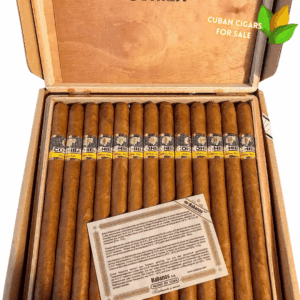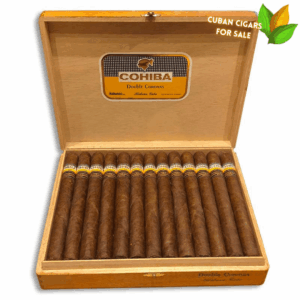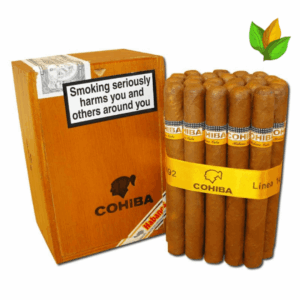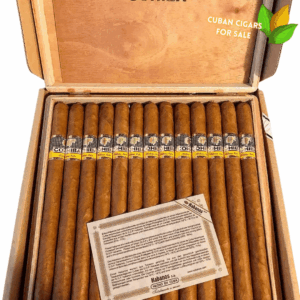

Description
The Benchmark Cuban That Changed Everything
I still remember my first Esplendidos. It was 1998 – maybe ’99 – at a dimly lit lounge in Havana where the bartender wouldn’t stop talking about baseball. My buddy ordered two of these monsters without asking what I wanted, and I was annoyed at first. Thing is, about twenty minutes into that smoke, I stopped caring about anything else. That cigar – this exact vitola – became my measuring stick for every Cuban I’ve smoked since. Not just for Cohibas. For everything.
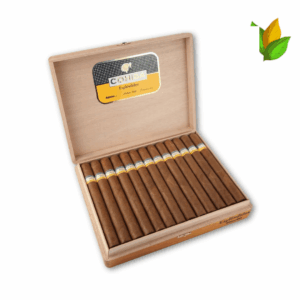
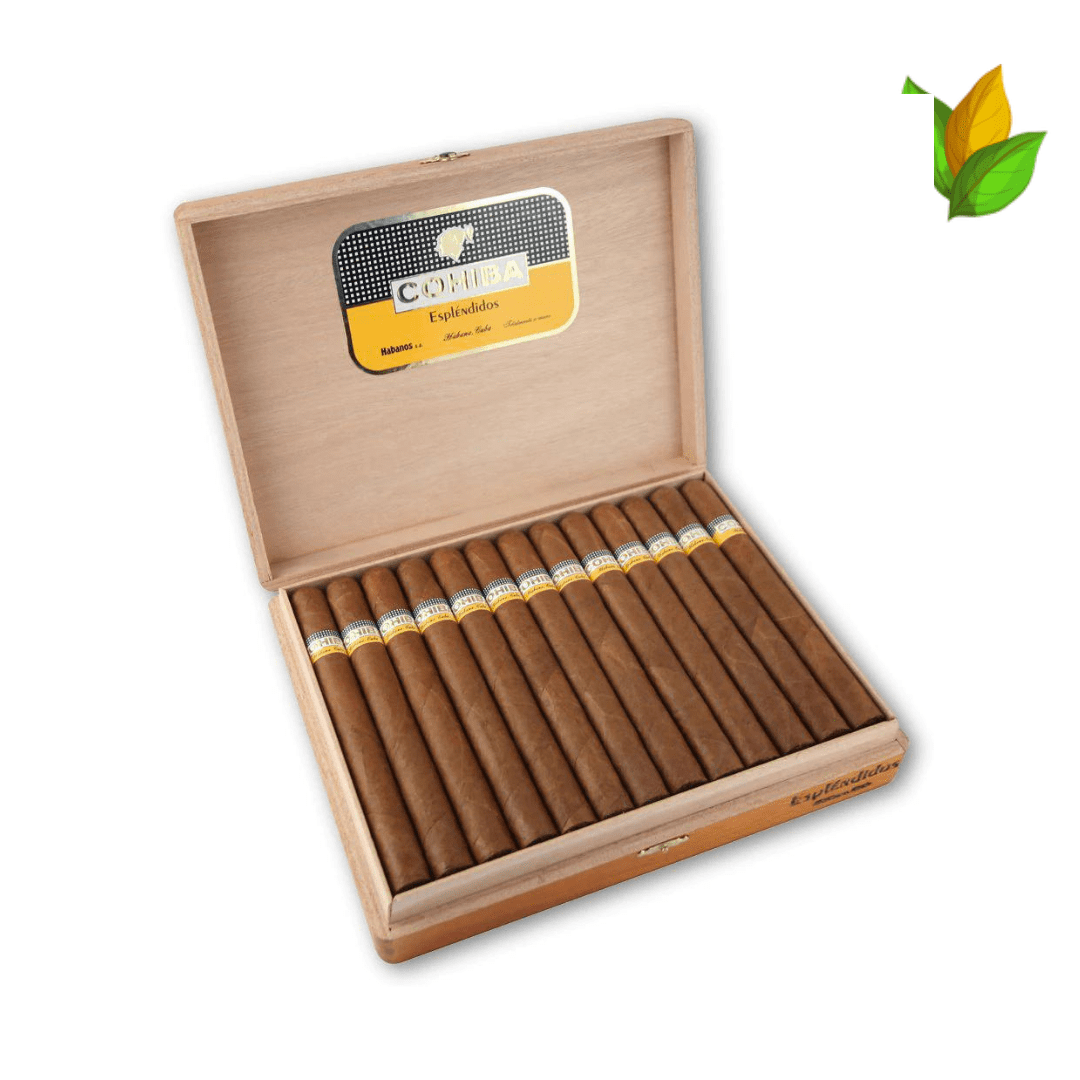
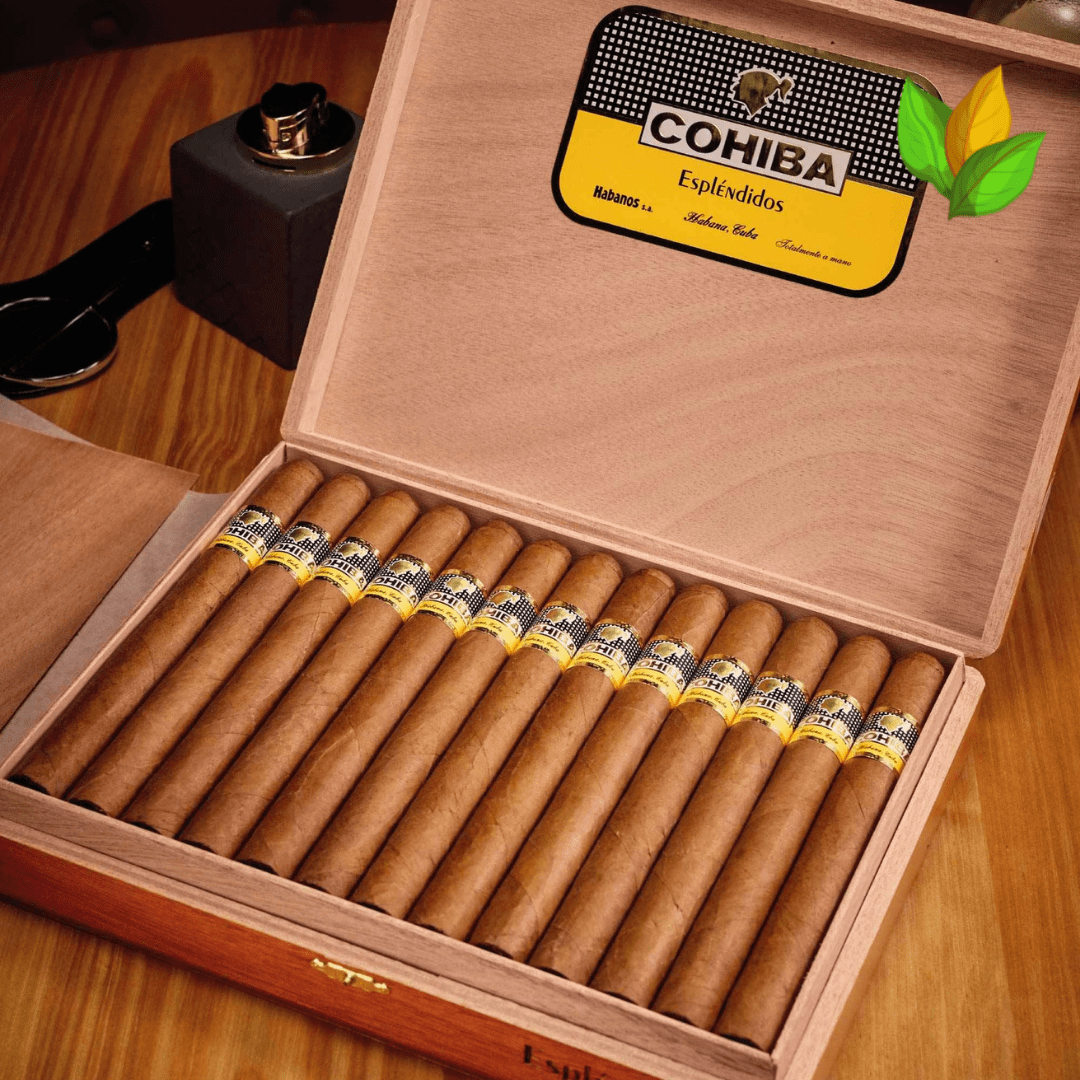
The Cohiba Esplendidos isn’t just another cigar in a prestigious line. It’s the flagship. The one that aficionados point to when they want to explain what makes Cuban cigars special. It’s the Siglo series all grown up, with an extra hour of your time and about three times the complexity. If you’ve only smoked smaller vitolas from the Cohiba line, you haven’t experienced what this blend can really do when it has the space to develop.
What Makes the Esplendidos Different
Cohiba’s story is unusual – created in 1966 specifically for Fidel Castro and given as diplomatic gifts before becoming commercially available in 1982. The Esplendidos was part of the original Linea Clasica trio, and it remains the longest vitola in that lineup. That matters more than you’d think.
The blend uses tobacco from the Vuelta Abajo region – no surprises there – but here’s what sets Cohiba apart: they use an extra fermentation process. Most premium Cuban cigars go through two fermentations. Cohiba tobaccos go through three. Does it make a difference? I’ll be honest: I was skeptical until I smoked these back-to-back with other brands. The smoothness isn’t marketing talk. It’s real.
This particular vitola gives the blend room to breathe. At 7 inches long with a 47 ring gauge, you’re looking at roughly two hours of smoking time – sometimes more if you’re taking your time. The Churchill format (Julieta No. 2 in Cuban factory terms) lets the flavors layer and evolve in ways that smaller vitolas simply can’t match. I’ve had Robustos from the same box, and while excellent, they don’t tell the same complete story.
Who’s this for? If you’re new to Cuban cigars, honestly, start somewhere else. The Esplendidos is wasted on an unprepared palate. But if you’ve worked your way through the Siglo line, tried some Partagas or Montecristo, and you’re ready for the next step – this is where you go. This is the cigar for when you have time and want to use it well.
| Specification | Details |
|---|---|
| Vitola | Esplendidos (Julieta No. 2) |
| Length | 7 inches / 178 mm |
| Ring Gauge | 47 |
| Wrapper | Cuban (Vuelta Abajo) |
| Binder | Cuban (Vuelta Abajo) |
| Filler | Cuban (Vuelta Abajo blend) |
| Strength | Medium to Medium-Full |
| Smoking Time | 90-120 minutes |
The Smoking Experience – What Actually Happens
Cold draw gives you hints of what’s coming – cocoa, maybe some hay, a subtle sweetness that’s hard to pin down. The construction is typically excellent, though I’ve had the occasional tight draw in boxes from certain years. Toast the foot properly. Don’t rush this part.
First inch or so: the smoke is creamy. That’s the word everyone uses and I hate it because it’s become a cliché, but dammit, it’s accurate. There’s an immediate smoothness that announces you’re smoking something special. Cedar comes through first – not aggressive, just present. Some leather notes underneath. The retrohale at this stage is gentle, almost sweet. If you’re getting harshness, your cigar is too young or you’re smoking too fast. Probably both.
The middle third is where the Esplendidos earns its reputation. The flavors start layering. That cedar stays consistent, but now you’re getting coffee – not espresso bitter, more like coffee with cream. Some earthiness develops. There’s a nuttiness that reminds me of roasted almonds, and occasionally – depending on the box – a floral note that surprises you. The strength builds gradually. You’re in medium territory now, heading toward medium-full. The smoke production is generous without being overwhelming. Ash holds for about an inch and a half before dropping, and it’s that light gray color that makes other aficionados nod approvingly.
Final third: this is decision time. Some people nub these cigars. I usually don’t. Around the last two inches, the strength picks up noticeably. You’re firmly in medium-full territory, maybe touching full. The flavors concentrate – more earth, more spice on the retrohale, darker chocolate notes replacing the earlier creaminess. It can get a bit hot if you’re not careful with your pace. I typically set it down with about an inch and a half left, but I know guys who smoke them down to nothing and swear the last inch is the best part. Your call.
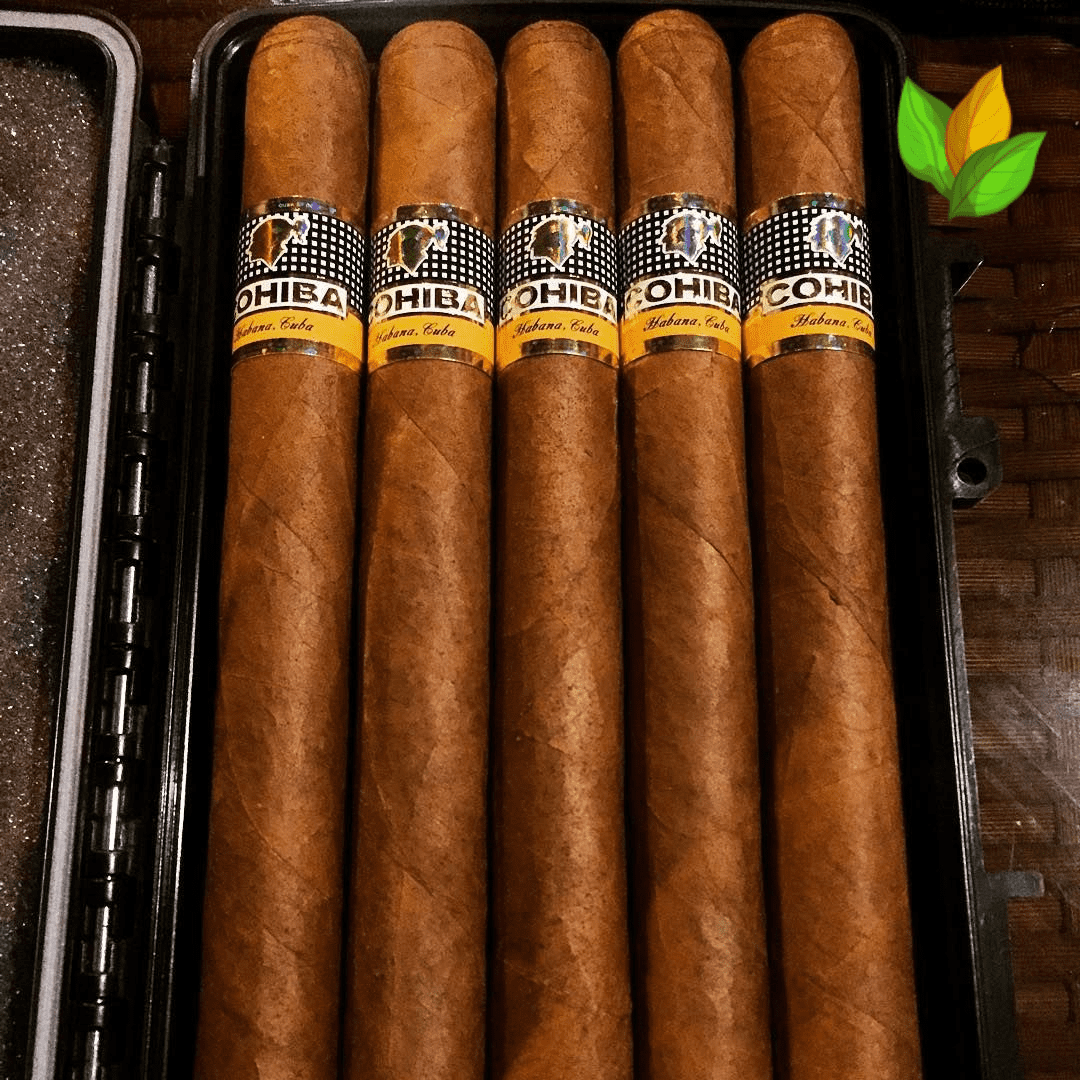
Construction notes: the burn line on these is usually razor-sharp. I rarely need to touch up a properly humidified Esplendidos. The draw is typically in that ideal zone – not too loose, not too tight. You’re getting substantial smoke with moderate effort. The wrapper on well-aged boxes has this subtle oil sheen that catches the light. Fresh boxes – under two years – can be a bit drier looking and benefit from patience.
How It Stacks Up Against Similar Cigars
| Cigar | Strength | Smoking Time | Best For |
|---|---|---|---|
| Cohiba Esplendidos | Medium to Medium-Full | 90-120 minutes | Special occasions demanding complexity and time |
| Montecristo No. 2 | Medium | 60-75 minutes | Classic Cuban experience in less time |
| Partagas Lusitania | Full | 100-130 minutes | When you want power with your elegance |
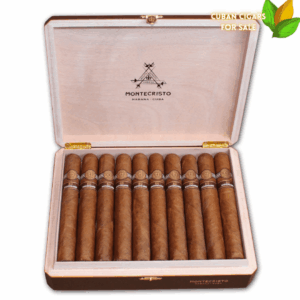
The Montecristo No. 2 is what a lot of people compare this to, probably because they’re both iconic. But they’re different animals. The Monte is shorter, stronger in some ways, and more straightforward. Great cigar – don’t get me wrong – but it doesn’t have the same evolving complexity. The Partagas Lusitania is closer in size and smoking time, but it’s bolder, earthier, less refined. If the Esplendidos is a aged single malt, the Lusitania is a robust red wine. Both excellent, completely different moods.
What to Drink With This
Coffee works beautifully in the first half – I’m talking real Cuban coffee if you can get it, or a quality espresso. The bitterness plays off that creaminess perfectly. Rum is the traditional pairing, and I won’t argue with tradition. A good aged rum – Havana Club 7 Year or better, or if you’re feeling fancy, something like Zacapa 23 – complements without overwhelming. The caramel notes in aged rum echo flavors in the cigar.
My personal preference? A peaty scotch. I know, I know – some purists think it’s too much. But a Lagavulin or Laphroaig with an Esplendidos creates this incredible contrast between smoke types. The cigar’s smoothness balances the scotch’s intensity. Try it before you judge me.
Timing matters too. This isn’t a morning cigar unless you’re on vacation and have literally nothing else to do. Late afternoon into evening is ideal. After a good meal but not immediately after – give yourself thirty minutes. Weekends, obviously. I’ve smoked these during long business dinners when the conversation was good and nobody was in a hurry. Those are the nights you remember.
How long should I age Cohiba Esplendidos before smoking?
At minimum, give them six months in your humidor after purchase – even if you bought them from an LCDH or trusted source. They’re often sold younger than ideal. Honestly though? Two to five years is the sweet spot where these really open up. I’ve had ten-year-old boxes that were phenomenal, but I’ve also had them lose some vibrancy after twelve years. Don’t wait forever.
What’s the difference between Esplendidos and the Siglo line?
The Siglo cigars are part of the Linea 1492 – different blend, different character, generally milder and shorter smoking times. Think of Siglo VI as the closest comparison in size, but it’s still noticeably lighter in strength and less complex. Esplendidos is the original Cohiba expression with that triple-fermented tobacco. If Siglo is everyday luxury, Esplendidos is special occasion territory.
Why do some Esplendidos taste harsh while others are smooth?
Three main culprits: age (too young), humidity (stored wrong), or smoking pace (too fast). Cuban cigars in general, and Cohibas especially, need proper rest time. If you’re getting harshness in the first third, it’s almost always a youth problem. In the final third, it’s usually speed – slow down. Also, some production years are just better than others. It’s tobacco, not a manufactured product.
Are Cohiba Esplendidos worth it for someone new to Cuban cigars?
No. I’ll be blunt about this. If you haven’t developed your palate with more approachable Cuban cigars first, you won’t fully appreciate what makes these special. Start with Montecristo No. 4 or Partagas Serie D No. 4. Work your way up through some Siglo variants. Then come back to Esplendidos. You’ll thank me later when you actually taste what you’re smoking instead of just checking a box.
How do I know if my Esplendidos are authentic?
Buy from LCDH stores or verified sources – that’s step one and honestly the only step that matters. Counterfeit Cohibas are everywhere because they’re the most copied brand. Check the band details, the box codes, the construction quality. But really, if you’re buying from random guys or suspiciously cheap websites, you’re asking for problems. An authentic Esplendidos has a certain heft, wrapper quality, and construction precision that fakes don’t quite match, but unless you’ve handled enough real ones, that’s hard to judge.
What humidity level is best for storing Esplendidos?
I keep mine at 65% RH and around 65-68°F. Some aficionados go lower – 62% or even 60% – especially for aging. I’ve found that too high (above 70%) and you risk the draw getting too easy and flavors becoming muted. Too low (under 60%) and they can dry out over time, though they’ll still smoke if you’re careful. Give them at least two weeks to acclimate if you change humidity levels significantly. Temperature stability matters more than you’d think.
Can I smoke half an Esplendidos and save the rest?
Technically yes, but why would you? The whole point of this vitola is the journey through all three phases. If you’re consistently not finishing these, maybe you need a shorter cigar. That said, I’ve re-lit an Esplendidos the next day when circumstances interrupted – purge it first, expect some flavor degradation, and accept it won’t be the same experience. Better than wasting it, but not ideal.
Final Thoughts From Someone Who’s Been There
The Cohiba Esplendidos isn’t subtle about what it is. From the moment you see that distinctive band to the last draw, this is a cigar that demands your attention and rewards it proportionally. It’s not going to be your favorite Cuban if you prefer bold, punchy flavors – there are better options for that. But if you want to understand why people become obsessed with Cuban cigars, why they age boxes for years and debate vintages, this vitola explains it better than words can.
Stock up when you find good boxes. These aren’t always in great supply, and recent production years vary in quality. If you’ve got the space in your humidor and the patience to let them rest, future you will appreciate the foresight. Just remember: these cigars are meant to be smoked, not just collected. Don’t be that person with a pristine aged box you never open.
Ready to experience what a Cuban cigar can really do? Check our current stock of Cohiba Esplendidos and start a smoking experience you’ll actually remember.