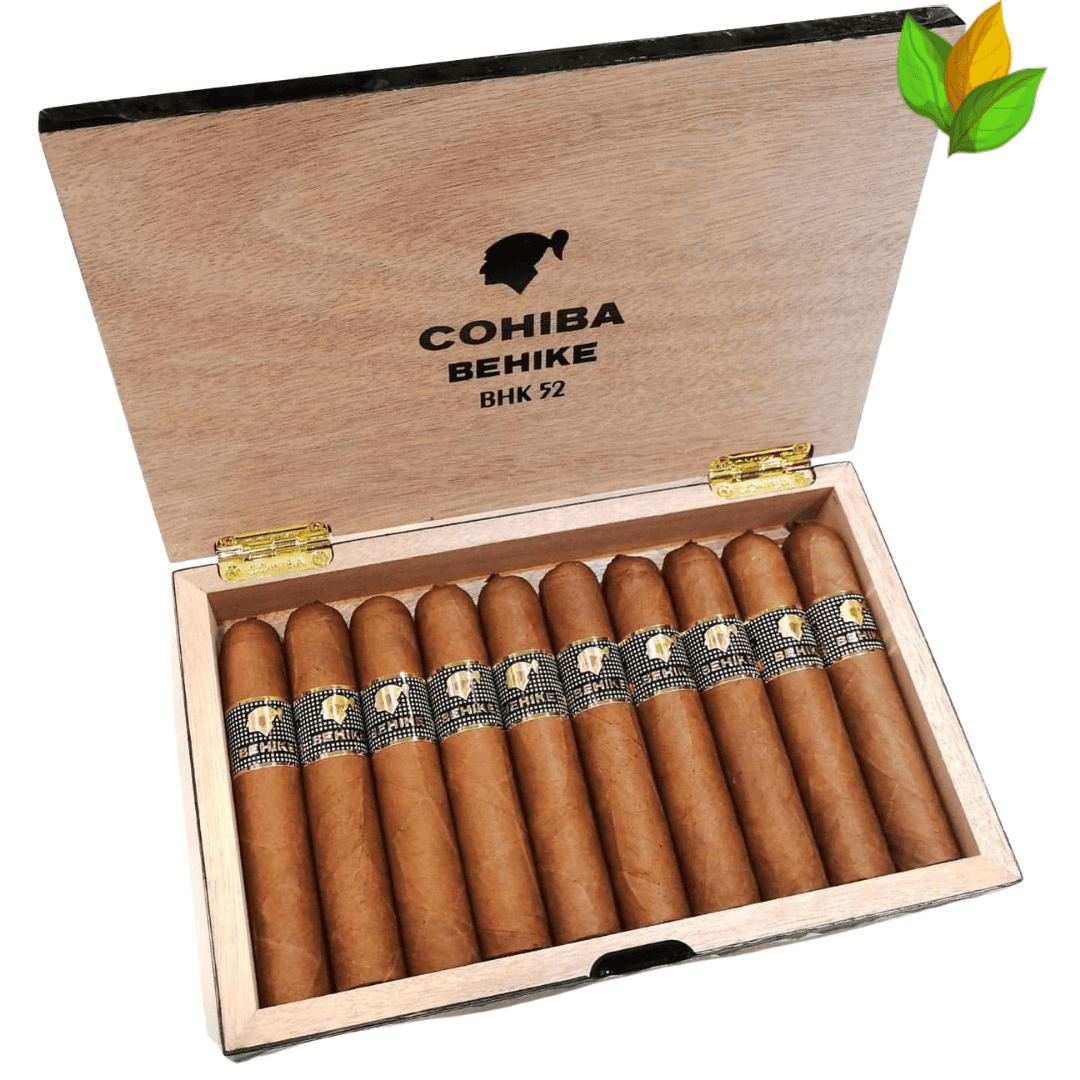
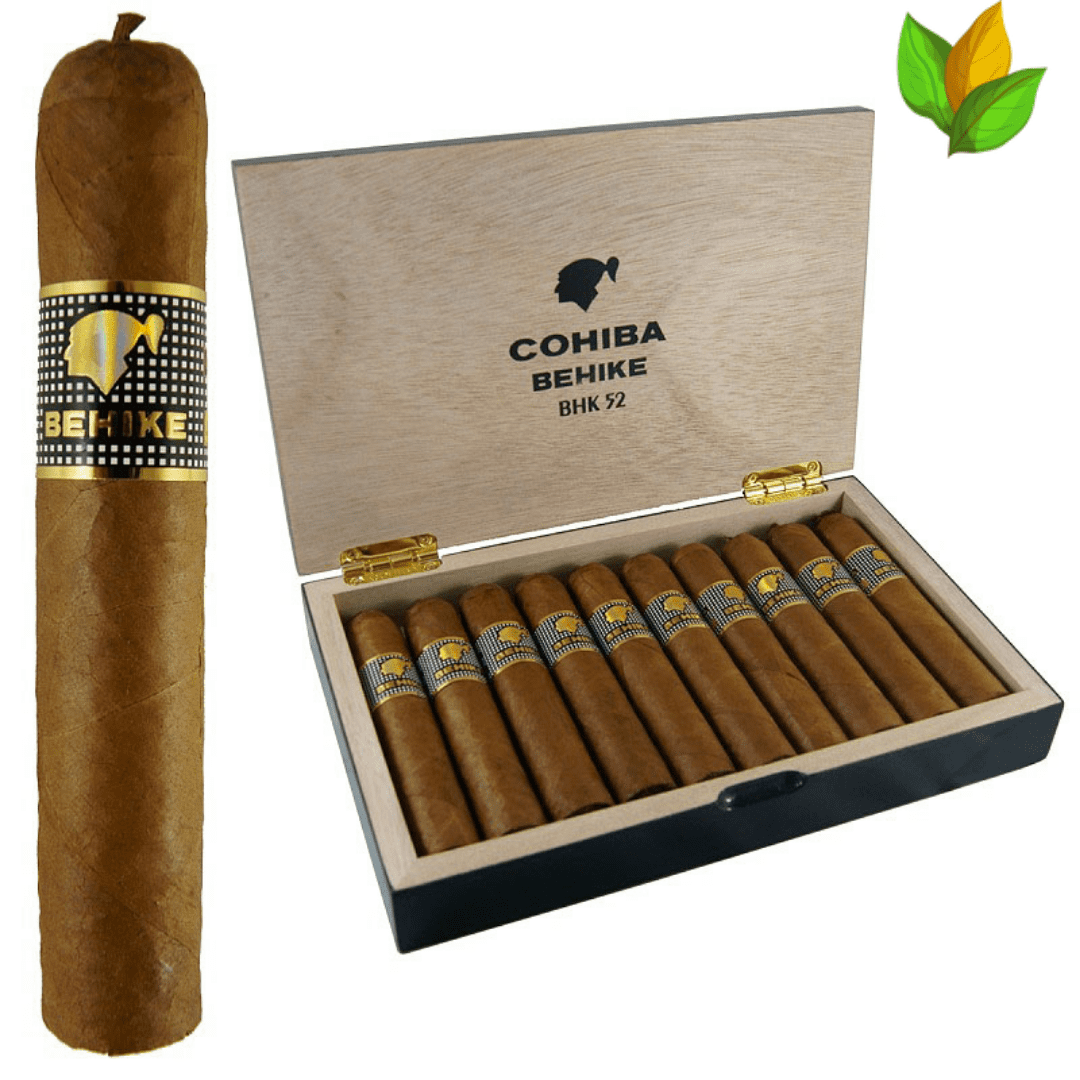

Description
The Crown Jewel of Cuban Cigars – And Yes, It Lives Up to the Hype
I’m probably biased here, but the Cohiba Behike 52 is the cigar that reminds me why I fell down this rabbit hole in the first place. Back in 2010, when Habanos S.A. announced they were releasing a new linea using medio tiempo leaves – wait, let me back up. Most people don’t know what medio tiempo is, and honestly, I didn’t either until I smoked my first BHK. These are the two leaves from the very top of the tobacco plant, exposed to the most sun, packed with oils and flavor. Only one or two plants per field produce them in the right quality. That’s not marketing speak – that’s actually what makes these different from every other Cohiba, every other Cuban cigar really.
Thing is, when you’re holding a Behike 52, you’re holding something that shouldn’t exist in the quantities it does. The agriculture alone is absurd. But I’m getting ahead of myself.
What Makes This Robusto Stand Apart From the Linea Clasica
Cohiba doesn’t need an introduction if you’re reading this. The flagship marca of Cuba, created in 1966 for Fidel Castro, blah blah blah – you know the story. But the Behike line, introduced in 2006 and commercially released in 2010, that’s where things get interesting. This isn’t just another addition to the Siglo series or a tweaked Maduro offering.
The Behike 52 is the smallest vitola in the BHK line, and honestly? I think it’s the best. My buddy Carlos disagrees – he swears by the 56 – but hear me out. At 52 ring gauge, you’re getting a more concentrated expression of those medio tiempo leaves. The wrapper-to-filler ratio is tighter, the smoke is denser, and the flavors don’t get lost in a giant cloud the way they sometimes do with the 56.
This is for the aficionado who already knows they love Cuban cigars and wants to understand what the absolute peak tastes like. If you’re still figuring out the difference between a Siglo II and a Robusto, maybe work your way up to this one. Not trying to be a snob – it’s just that this cigar deserves your full attention, and if you’re not ready for it, you’ll wonder what the fuss is about.
| Specification | Details |
|---|---|
| Vitola | Robusto |
| Length | 4.3 inches / 110 mm |
| Ring Gauge | 52 |
| Wrapper | Cuban Vuelta Abajo |
| Binder | Cuban Vuelta Abajo |
| Filler | Cuban blend with medio tiempo leaves |
| Strength | Medium to Full |
| Smoking Time | 60-75 minutes |
How This Thing Actually Smokes – And Why the First Inch Matters
Cold draw gives you dark chocolate and this sweet hay note that’s distinctly Cuban. Not harsh at all – actually pretty welcoming considering what’s about to happen. Light it with a torch, not matches. I learned that the hard way after wasting one trying to be traditional.
First third hits different. That’s the only way I can describe it. You get an immediate creaminess – not butter, more like aged leather that’s been conditioned – mixed with espresso bean. There’s a spice too, but it’s not pepper. It’s more like… hmm, how do I explain this… it’s like the spice you get from smelling a cedar chest in your grandmother’s attic. Warm, woody, almost sweet. The medio tiempo leaves announce themselves here if you’re paying attention. There’s a richness that you don’t find in regular Cohibas, even the good ones from the Linea Clasica.
Construction is flawless. I’ve smoked maybe a dozen of these over the years – okay, probably more like twenty if I’m being honest – and I’ve never had a single burn issue. The ash holds to almost an inch and a half before dropping, bright white and firm. Draw resistance is exactly where it should be: you’re working for it, but not fighting it.
Second third is where it earns the reputation. The cream from the first third transforms into this honeyed tobacco note. Sounds weird written out, but smoke one and you’ll know exactly what I mean. There’s also dried fruit coming through – figs maybe? Or dates. My palate isn’t sophisticated enough to nail it down precisely, but it’s definitely there. The spice backs off a bit, letting these sweeter, more complex flavors take center stage. If you retrohale during this section – and you should, at least once – you get white pepper and toasted almonds. The smoke stays cool the entire time. No harshness, no bite, just this perfectly balanced density.
Final third brings back the strength. The sweetness fades and you’re left with earth, dark cocoa, and that signature Cohiba grassiness that shows up in the best Cuban tobacco. Some people don’t like when cigars get stronger at the end, but I think it shows proper blending. You want that progression, that story arc. The Behike 52 finishes confidently without turning bitter or hot. You can smoke it down to the nub if you want – I usually do.
| Cigar | Strength | Smoking Time | Best For |
|---|---|---|---|
| Cohiba Behike 52 | Medium-Full | 60-75 min | Experienced smokers wanting peak Cuban craftsmanship |
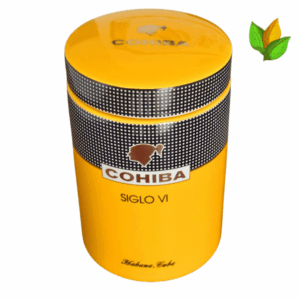
| Cohiba Siglo VI | Medium | 80-90 min | Those who prefer a milder, longer smoke from the classic line |
| Trinidad Fundadores | Medium-Full | 90-120 min | Aficionados who want complexity but in a larger format |
What You Should Be Drinking With This
I’ll be blunt: don’t waste this cigar on a bad pairing. Coffee works beautifully with the first and final thirds – specifically espresso or a strong Cuban coffee if you can find it. During the middle section, switch to aged rum. I’m talking Havana Club 15 Year or higher, or if you can get your hands on it, Santiago de Cuba Extra Añejo. The honeyed notes in the cigar and the rum play off each other perfectly.
If you’re a whiskey person – and I am, usually – go for a sherried Scotch. Something like Glenfiddich 18 or Macallan 12. The dried fruit notes sync up with that second third better than you’d expect. Bourbon’s too sweet for this one in my opinion, but do what makes you happy.
Time of day matters too. This isn’t a morning cigar. I don’t care how much of a veteran you are – smoke this after 6 PM, after a good meal, when you’ve got an hour minimum with no interruptions. Weekend evenings, celebrations, or those nights when you just want to treat yourself right. The Behike 52 rewards patience and attention.
What makes the Behike line different from other Cohiba cigars?
The Behike line uses medio tiempo leaves, which are the two leaves from the very crown of the tobacco plant. They’re richer in oils and flavor than regular ligero leaves. Only about 10% of plants produce these leaves in usable quality, which is why Behikes are produced in much smaller quantities than other Cohibas. You’re not just paying for the name – there’s actual agricultural rarity behind it.
How does the Behike 52 compare to the 54 and 56?
The 52 is the shortest and thinnest of the three, which gives you a more concentrated flavor profile and shorter smoking time. The 54 and 56 are longer and thicker, offering more complexity and evolution but requiring more time commitment. I personally think the 52 showcases the medio tiempo leaves best because the ratio is tighter, but plenty of aficionados prefer the larger sizes. Try all three if you can.
What strength level is the Cohiba Behike 52 really at?
It starts medium and builds to medium-full by the final third. If you’re comfortable with regular Cohibas from the Linea Clasica or cigars like the Partagas Serie D No. 4, you’ll be fine with this. It’s stronger than a Siglo III but not as punishing as a Bolivar Royal Corona. The strength is there, but it’s refined – not aggressive.
Should I age these or smoke them fresh?
That’s a loaded question. Fresh Behikes – and by fresh I mean properly stored for 6-12 months after purchase – are fantastic. But if you’ve got the patience and storage setup, aging them for 3-5 years takes them to another level. The spice mellows out and the sweetness becomes more pronounced. I usually buy a few at a time and smoke one within a year, then let the others rest. Your call though.
Why are Behikes so hard to find compared to other Cohibas?
Production numbers are deliberately limited because of those medio tiempo leaves I keep mentioning. Habanos S.A. can’t just decide to make more – they’re constrained by what the tobacco fields produce each year. Add in the fact that these are hand-rolled by only the most experienced torcedores, and you’ve got a supply bottleneck. They make plenty of Siglo IIs and Robustos, but Behikes? Those are allocated differently.
Can beginners enjoy this cigar or is it wasted on them?
Real talk: if you’ve only smoked a handful of cigars in your life, you probably won’t fully appreciate what makes the Behike 52 special. It’s like giving someone who drinks Folgers a cup of single-origin Ethiopian pour-over – sure, they might like it, but they’re not tasting the nuance. Work your way up through the Cohiba line first. Try a Siglo II, then a Siglo IV, maybe a Robusto. Once you understand the baseline, the Behike will blow your mind.
What’s the best way to store these long-term?
Same as any premium Cuban: 65-68% humidity, 65-70°F temperature, in a quality humidor away from other strongly-flavored cigars. I keep mine in their original boxes because the presentation is part of the experience. Check on them every few months, rotate the box if you’re storing multiple cigars together. These are too special to let them dry out or get over-humidified.
Final Thoughts From Someone Who’s Smoked Too Many of These
The Cohiba Behike 52 isn’t just another cigar in the Cuban lineup – it’s a statement about what’s possible when you combine the right tobacco, the right hands, and the right tradition. Is it the absolute best Cuban cigar I’ve ever smoked? That’s impossible to answer because it depends on the day, the mood, what I’m drinking. But it’s absolutely in the top five, and it’s the one I reach for when I want to remind myself why Cuban cigars still set the standard.
If you’re on the fence about trying one, just do it. Life’s too short to wonder what you’re missing. Grab one, set aside a proper evening for it, pair it right, and pay attention to what’s happening in each third. This is the kind of smoke that creates memories.