
Description
Why the Bolivar Petit Coronas Deserves a Spot in Your Humidor
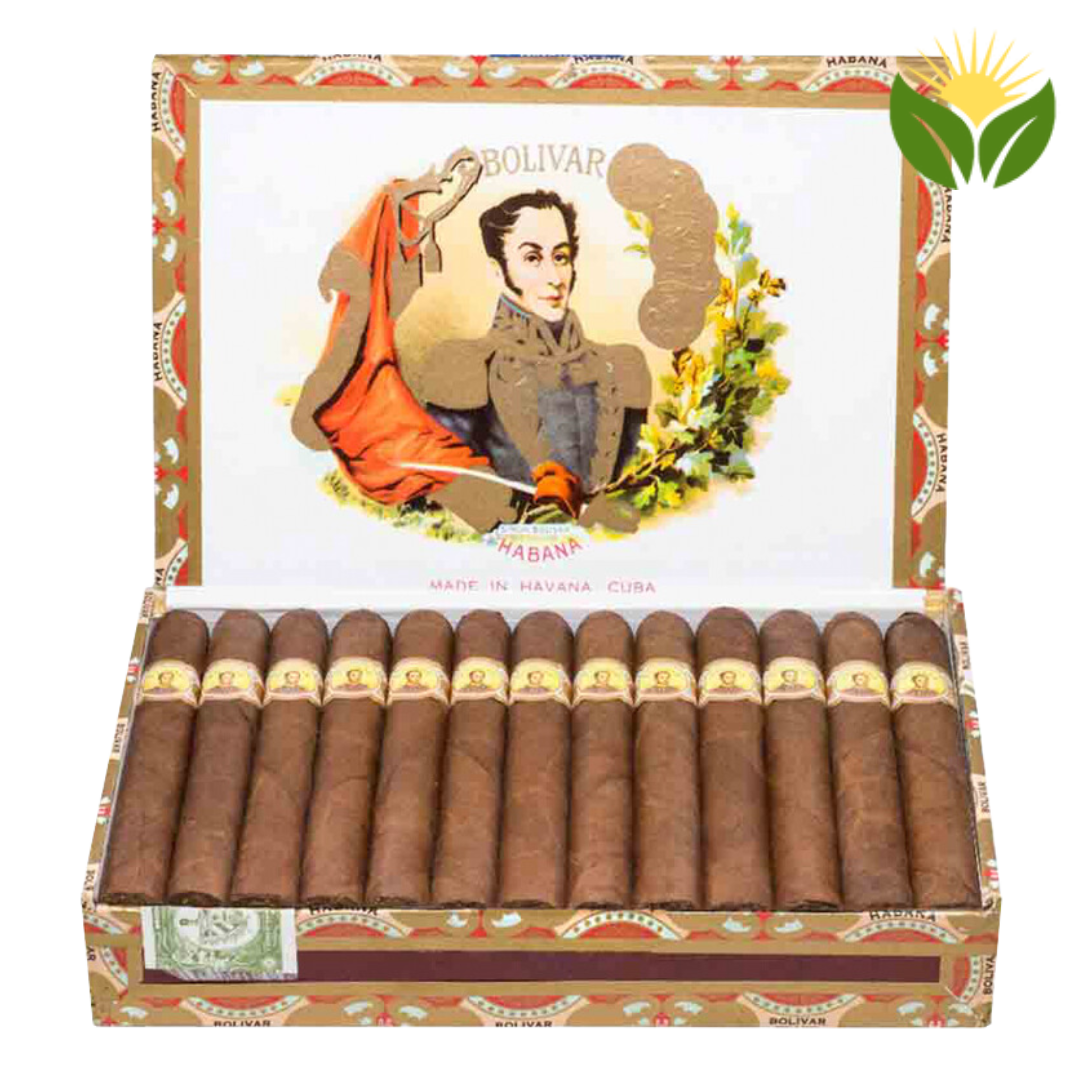
Look, I’ve been smoking Cuban cigars since my first trip to Havana back in ’96, and I’ll tell you straight up – the Bolivar Petit Coronas is one of those cigars that doesn’t get nearly enough attention. Everyone’s talking about the bigger Bolivars, the Royal Coronas, the Belicosos Finos. But this little powerhouse? It’s the cigar I reach for when I’ve got 45 minutes and want something that’ll actually make an impression. Here’s the thing – size doesn’t matter when you’re packing this much flavor into a compact format. If you’re serious about Habanos, you need to understand what makes this petit corona punch way above its weight class. We’re going to break down everything from the first puff to that final satisfying ash, and I’ll be honest with you – by the end of this, you might just bump it to the top of your shopping list.
What Makes This Bolivar Special
The Bolivar brand has this reputation, right? Full strength, no apologies, built for serious smokers who aren’t messing around. Started way back in 1901 – named after Simón Bolivar, the South American liberator, which tells you everything about the brand’s attitude. They’re not trying to be your smooth afternoon smoke. Thing is, the Petit Coronas embodies all that Bolivar intensity but in a format that actually fits into a normal person’s schedule.
The tobacco comes from Vuelta Abajo, which – if you don’t know – is basically the Napa Valley of Cuban tobacco. Best terroir on the island. Period. What Bolivar does with those leaves is where it gets interesting. They don’t go gentle on the fermentation. The result? This cigar hits you with earth and leather notes that remind me of walking into an old tack shop my uncle used to take me to. That exact smell. It’s not for beginners – I’ll be blunt about that. If you’re still working your way up from Connecticut shade wrappers, maybe bookmark this one for later. But if you’ve developed your palate and you want something with actual character? This is your cigar.
Who’s this for? The smoker who’s got a developed palate, appreciates strength with complexity, and doesn’t have two hours to dedicate to a Churchill. It’s for the guy sneaking out during a poker game, the aficionado who wants a morning smoke that means business, or – and I know this sounds weird – it’s actually perfect right after a heavy meal when a bigger cigar would be too much commitment.
| Specification | Details |
|---|---|
| Vitola | Petit Coronas |
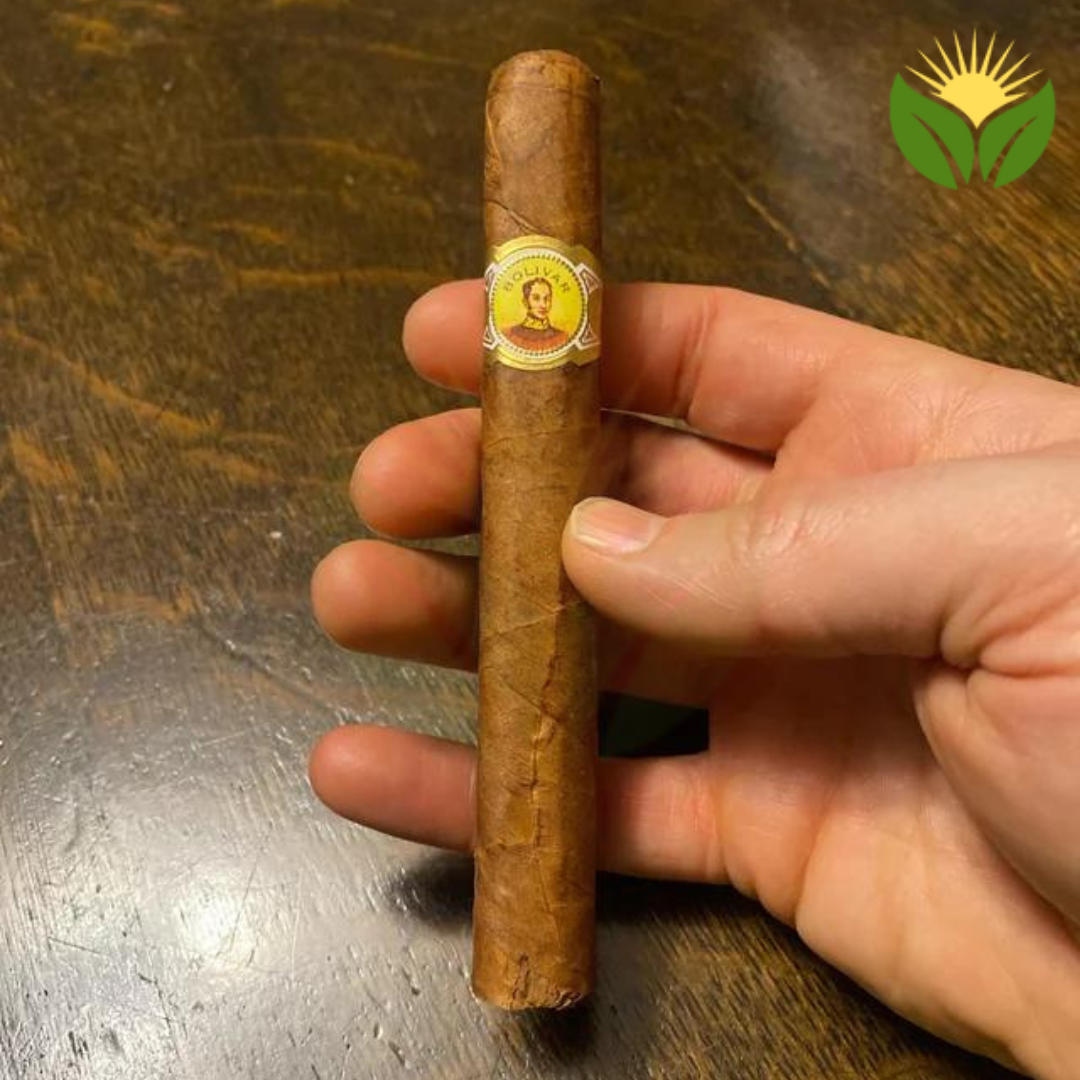
| Length | 5 inches / 127 mm |
| Ring Gauge | 42 |
| Wrapper | Cuban (Vuelta Abajo) |
| Binder | Cuban |
| Filler | Cuban blend (Vuelta Abajo region) |
| Strength | Medium to Full |
| Smoking Time | 40-50 minutes |
The Smoking Experience – Third by Third
Okay, so let’s talk about what actually happens when you light this thing up. The cold draw – before you even put flame to foot – gives you this preview of what’s coming. Cedar, definitely. A hint of that barnyard funk that good Cuban tobacco has. Not off-putting, just… present. It’s telling you, “Hey, I’m the real deal.”
First third hits immediately. No joke, there’s zero warm-up period with this cigar. You get earth and leather right out of the gate, backed by this spicy kick that tingles on the retrohale. The spice isn’t overwhelming – it’s not one of those Nicaraguan pepper bombs – but it’s there, asserting itself. Some people get cocoa notes here. I usually don’t, but my buddy Carlos swears by them, so maybe my palate’s weird. What I DO get consistently is this woody character, like walking through a cedar forest after rain. The construction? Generally solid. I’ve had maybe one in twenty burn wonky, and honestly, that’s pretty good for Cuban cigars these days. The wrapper on a fresh box has this slight oil sheen – that’s what you want to see.
Second third is where it gets interesting – wait, let me back up. If you’re not paying attention during this section, you’re missing the whole point of the cigar. The initial spice mellows out just a bit, and these deeper flavors emerge. More leather, some coffee bitterness, and this earthy quality that’s hard to describe. It’s not dirt – it’s more like… you know that smell of a really good soil in a garden? That mineral richness? That’s what I’m getting at. The strength ramps up here too. You’ll feel it. Not in a “I need to sit down” way, but you’re aware this isn’t a mild Connecticut. The burn stays pretty straight if you’re not puffing like a chimney, and the ash holds on for a good inch and a half, sometimes more. It’s that dense, white-gray ash that tells you the tobacco was aged properly.
Final third – and here’s where some people bail because it can get intense. The Bolivar strength really shows up to the party now. Full-bodied, no apologies. That spice from the beginning comes back but it’s transformed – less pepper, more of a warm baking spice thing. The leather note intensifies. I remember smoking one of these during a poker night last year, and in this final stretch, I picked up this distinct saddle leather note that stuck with me for 20 minutes after I finished. The retrohale in the final third? Powerful. If you’re not used to it, it might make you cough. But if you can handle it, there’s this incredible aroma of toasted tobacco and earth. The cigar does get a bit hot if you smoke it down to the nub – which I usually do because I’m stubborn – but around the last inch, you can tell it’s time to let it rest in peace.
How Does It Stack Up?
| Cigar | Strength | Smoking Time | Best For |
|---|---|---|---|
| Bolivar Petit Coronas | Medium-Full | 40-50 minutes | Experienced smokers wanting intensity in a shorter format |
| Partagás Serie D No. 4 | Medium-Full | 50-60 minutes | Those who want similar strength but smoother, creamier profile |
| Ramón Allones Small Club Coronas | Medium | 30-40 minutes | Quick smoke with more balance, less intensity |
Real talk: if you’re comparing this to the Partagás Serie D No. 4 – and everyone does – they’re different animals. The Partagás is richer, creamier, more “smooth” if that makes sense. The Bolivar is rougher around the edges, more rustic. I love both, but they’re for different moods. The Ramón Allones is gentler all around – great cigar, don’t get me wrong, but it’s playing a different game.
What to Drink With It (And When to Smoke It)
Between you and me, I’ve tried pairing this with everything from coffee to rum to single malt, and here’s what actually works: a strong espresso in the morning is phenomenal with this cigar. The coffee’s bitterness plays off that earthy tobacco in a way that just clicks. If you’re drinking in the evening, go with a heavy rum – I’m talking Diplomatico Reserva Exclusiva or better yet, a proper Cuban rum if you can get it. The sweetness cuts through that leather and earth combo beautifully.
Whisky works too, but you need something with backbone. A Highland scotch like Talisker or an Islay if you’re feeling adventurous. Don’t even think about pairing this with a delicate Speyside – it’ll bulldoze right over it. Some guys like bourbon with their Bolivars, and honestly, a good high-proof bourbon (thinking Wild Turkey Rare Breed) holds up just fine.
When to smoke it? Morning’s actually perfect – I know that sounds intense, but there’s something about this cigar with coffee at 8am that sets the day up right. After a big steak dinner works great too. Late afternoon when you need to reset before evening? Absolutely. Just maybe not as your first cigar ever, you know?
Your Questions Answered
Is the Bolivar Petit Coronas too strong for intermediate smokers?
Hear me out: if you’ve been smoking cigars regularly for six months and you’ve worked your way through some medium-bodied sticks, you can handle this. It’s medium-full, not full-full. The strength builds gradually enough that you won’t get blindsided. That said, don’t make it your first cigar of the day on an empty stomach. I learned that lesson the hard way back in 2004 – or was it 2005? Doesn’t matter, I learned it.
How long should I age Bolivar Petit Coronas in my humidor?
They’re smokeable right out of the box, but here’s the thing – six months to a year in your humidor at 65-68% humidity does wonders. The rough edges smooth out, the flavors integrate better, and that spicy kick becomes more refined. I’ve got a box from 2019 that I’m still working through and they’re singing right now. But I’m probably biased because I love aged cigars. If you can’t wait, smoke one fresh and stash the rest. You’ll taste the difference later.
What’s the main flavor profile I should expect?
Earth and leather dominate, backed by cedar and a spicy kick that comes and goes throughout the smoke. It’s not a flavor bomb with 15 different notes – it’s focused and intense. Some people pick up coffee, cocoa, or even a mineral quality. The aroma is woody and rich. If you’re used to sweeter, creamier Cubans, this will taste different – more rustic, more old-school. That’s not a criticism, it’s just what Bolivar does.
Are there construction issues with this vitola?
Look, I’ll be honest – Cuban cigars can be hit or miss with construction. The Bolivar Petit Coronas is generally solid, but you’ll occasionally get one with a tight draw or an uneven burn. I’d say 85-90% of the ones I smoke perform well. Check for soft spots before you light up, do a cold draw test, and you’ll usually catch problems before you invest time. The bigger issue is storage – keep them properly humidified and they’ll treat you right.
How does this compare to other Bolivar vitolas?
The Petit Coronas delivers classic Bolivar character in a shorter format – you get that same earth-leather-spice profile but in 45 minutes instead of 90. The Royal Corona is smoother and more complex, the Belicosos Finos more refined with that torpedo shape changing the experience. Thing is, this little guy punches harder per inch than almost anything else in the line. It’s concentrated Bolivar. If you love the brand but don’t always have two hours, this is your answer.
What’s the ideal humidity level for storing these?
I keep mine at 65% humidity and around 65-68°F temperature. Some people go higher, but I find Cuban cigars smoke better when they’re not over-humidified. Too wet and you get draw issues, muted flavors, and burn problems. If you just got a fresh box, let them acclimate to your humidor for at least two weeks before smoking. And for the love of all that’s holy, don’t store them with Nicaraguan cigars – keep your Cubans separate so they don’t pick up different aromas.
Is this considered a limited edition or regular production?
Regular production, thank goodness. The Bolivar Petit Coronas has been in the lineup for decades – it’s not one of those limited edition releases that disappear after a year and then get hyped up like they’re made of gold. You can find them consistently, though availability varies depending on where you’re shopping and what Habanos SA is releasing at any given time. This isn’t a hunt-and-chase cigar, it’s a reliable staple. That’s actually part of what I love about it.
Final Thoughts From the Lounge Chair
So here’s where we land: the Bolivar Petit Coronas is not trying to be everything to everyone, and that’s exactly why it works. It’s a focused, intense, no-nonsense smoke that delivers authentic Cuban character in a format that respects your time. The earth and leather core, that spicy backbone, the full strength that builds through the smoke – this is what the Bolivar marca is all about, just compressed into 5 inches and 42 ring gauge.
Is it the smoothest Cuban petit corona you’ll ever smoke? Nope. Is it the most complex? Probably not. But damn if it isn’t one of the most satisfying when you want something with actual backbone and character. I genuinely don’t understand why more people don’t keep a box of these in their rotation. Maybe they’re sleeping on it because everyone’s chasing the latest limited edition. Their loss.
If you’re ready to add some serious Habanos intensity to your humidor without committing to a two-hour smoke session, grab a five-pack first – see how they treat you. But I’m betting you’ll be back for a full box. Just make sure your humidor’s dialed in, give them a little rest if you can muster the patience, and prepare yourself for what a petit corona can do when it’s built by people who know what they’re doing. This is Cuban cigar craftsmanship doing what it does best – delivering flavor, strength, and character from the Vuelta Abajo region straight to your palate.