
Description
The amber light filtering through the lounge’s mahogany blinds caught the wisps of smoke from the gentleman across from me, creating lazy spirals that danced toward the tin ceiling. I’d been nursing my rum for twenty minutes, watching the street below slow to that perfect evening pace where the day’s urgency finally releases its grip. The small, perfectly formed cigar resting between my fingers promised something substantial despite its modest size – this was my first encounter with the **Bolívar Petit Coronas**.
Sometimes the most memorable experiences come in compact packages. I’ve smoked cigars twice this length that couldn’t deliver half the character, but there’s something about this particular Cuban blend that commands respect from the moment you pick it up.
Specifications
| Specification | Details |
|---|---|
| Length | 129mm (5.08 inches) |
| Ring Gauge | 42 |
| Vitola | Mareva (Petit Corona) |
| Strength | Full-bodied |
| Smoking Time | 30-45 minutes |
| Wrapper Origin | Cuban Vuelta Abajo |
Construction and Appearance
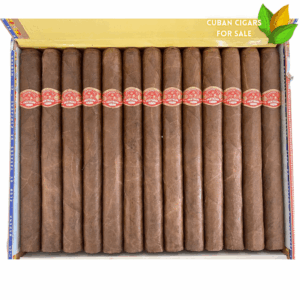
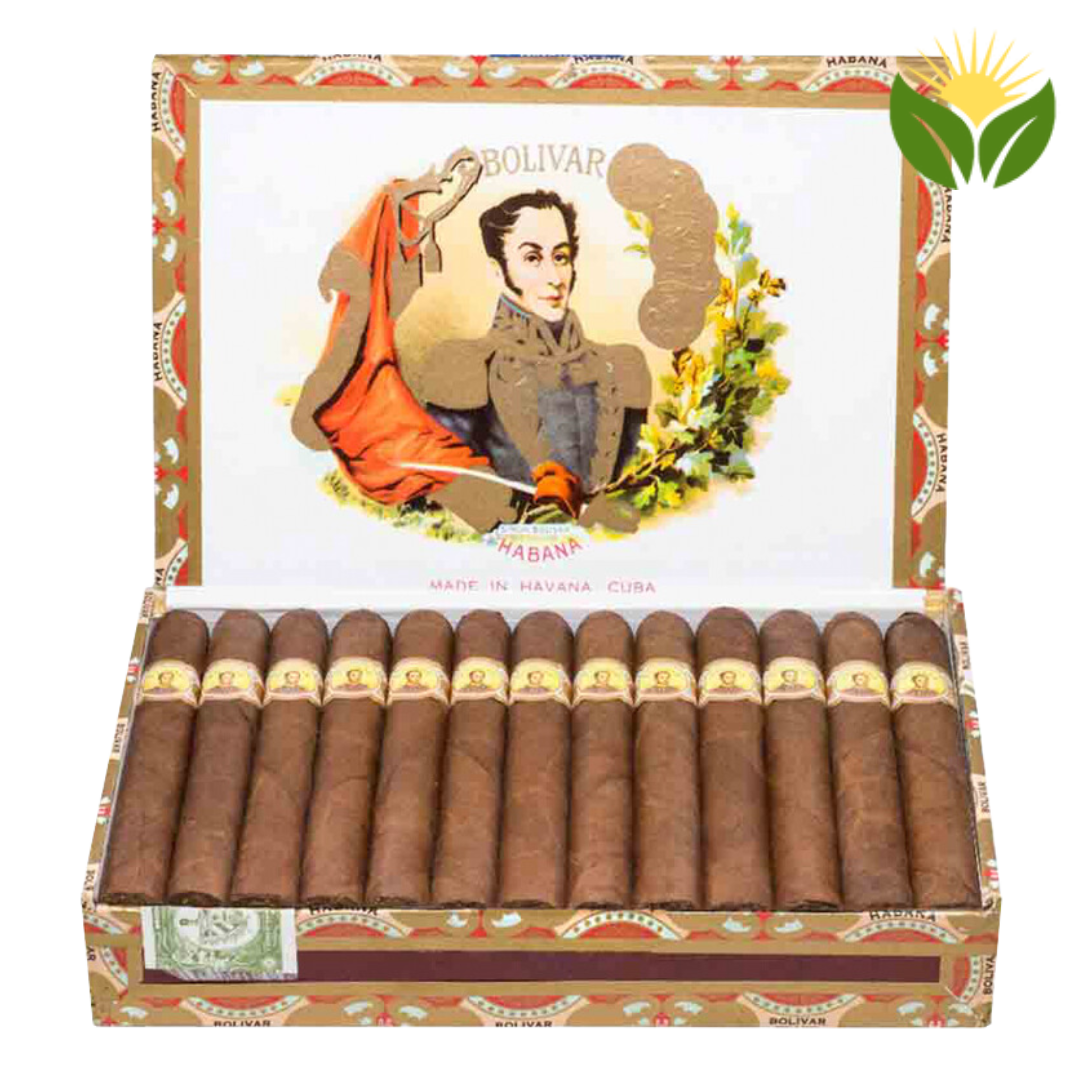
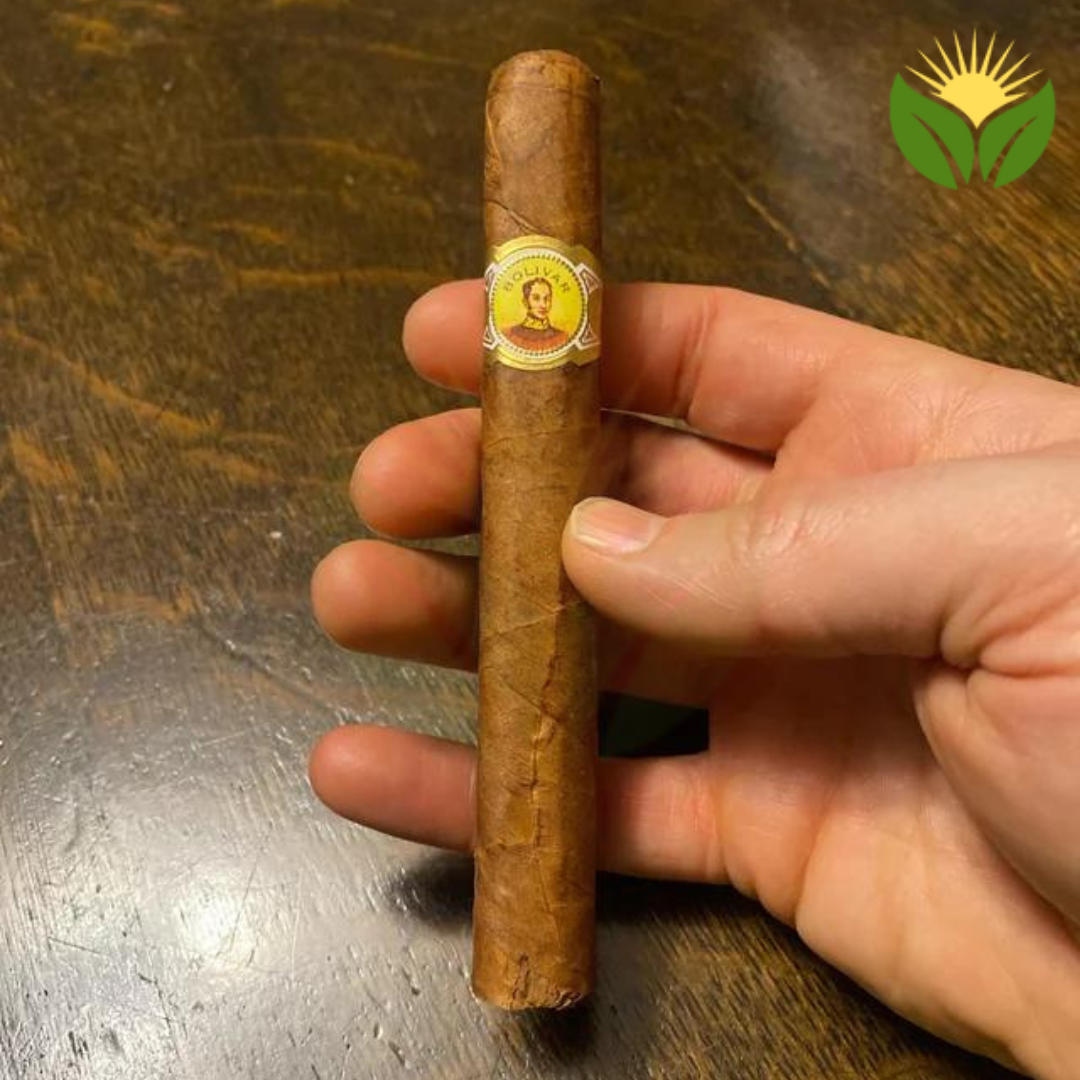
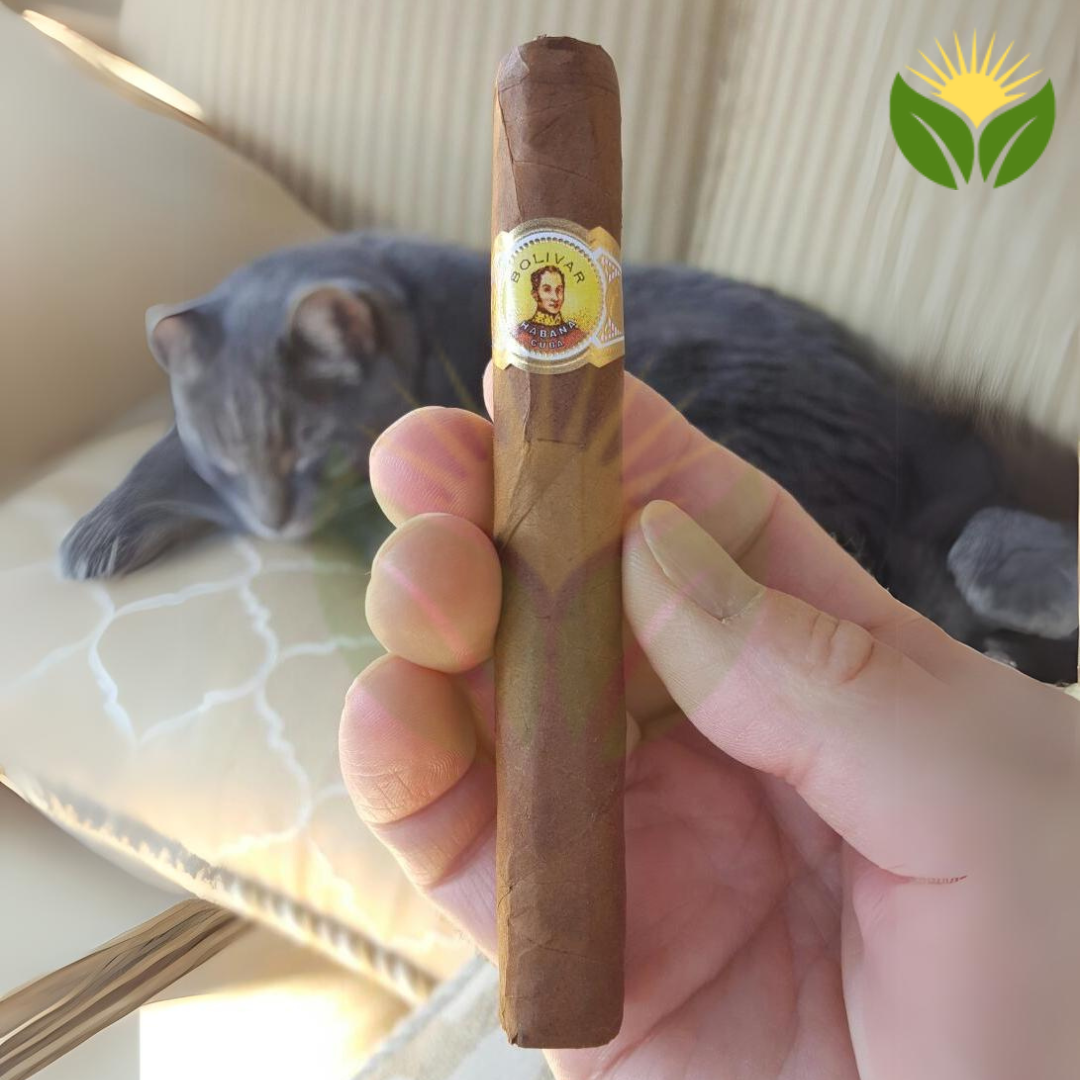
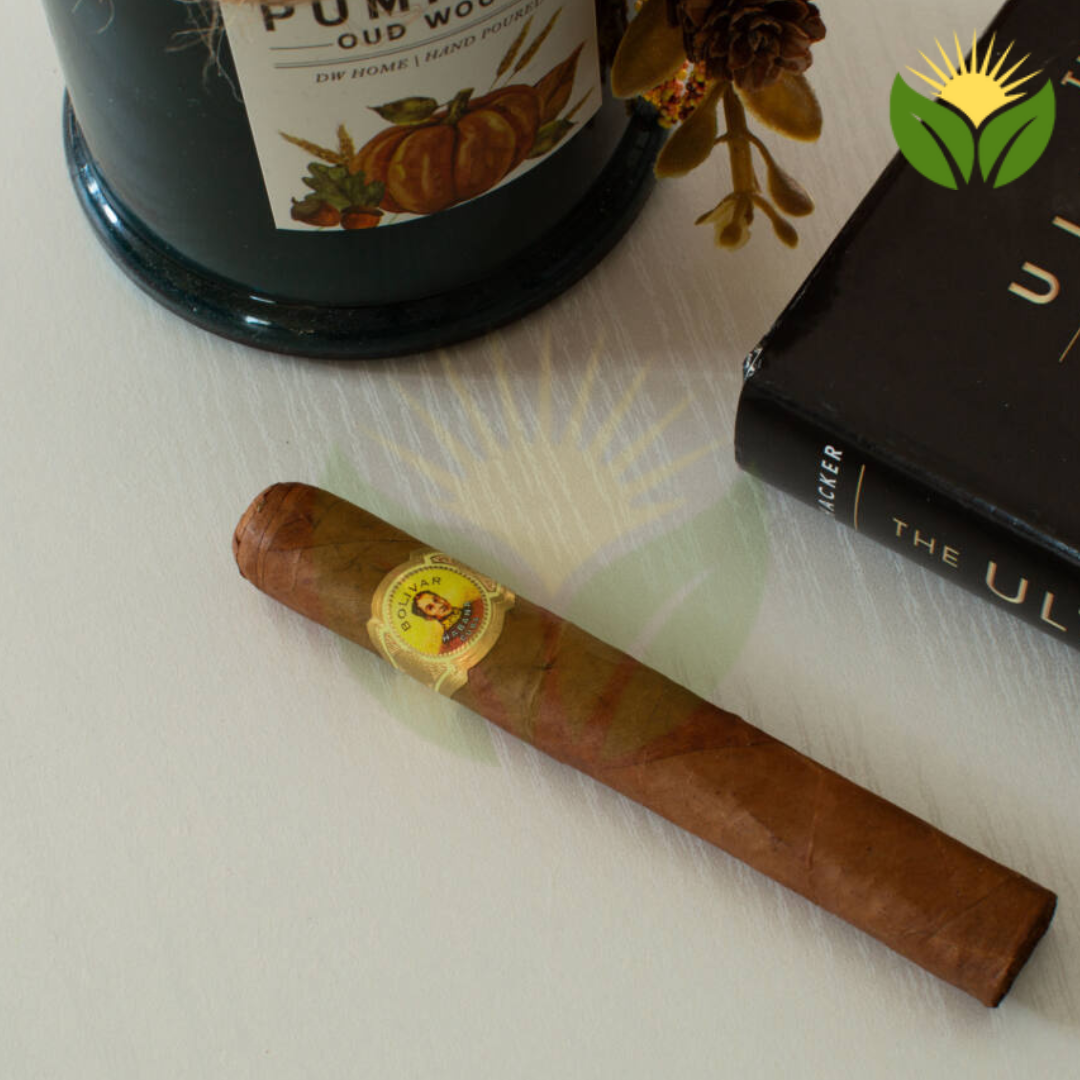
The wrapper on these Cuban beauties displays that characteristic oily sheen you’d expect from premium Vuelta Abajo tobacco. It’s not the darkest leaf you’ll encounter – more of a medium brown with subtle variations that catch the light beautifully. When I run my fingers along the surface, there’s a slight tooth to the texture, never rough but with enough character to let you know this is handmade tobacco.
The construction feels solid without being overpacked. I’ve noticed that **Bolívar cigars** tend to have this particular firmness that speaks to quality control – not spongy like some budget options, but not rock-hard either. The cap is applied with precision, and the foot shows an even distribution of filler tobacco that promises a good draw.
What strikes me most about the band is its understated elegance. The gold and red Bolívar script has this classic Cuban aesthetic that doesn’t scream for attention. Honestly, it’s refreshing compared to some of the flashier bands you see these days.
Flavor Profile Through the Thirds
Opening Third
Right from the initial draw, this **short cigar that delivers plenty** of character. The first third hits you with earthy flavors that remind me of walking through a forest after rain – that damp earth aroma mixed with woody undertones. There’s an immediate spicy kick that lets you know you’re dealing with a **full bodied smoke**. I wouldn’t recommend this as a morning cigar unless you’re already accustomed to stronger blends.
The spice isn’t overwhelming, but it’s definitely present. Think white pepper rather than cayenne – it tingles the palate without burning. These early **flavors** build a solid foundation for what’s coming next.
Middle Third
Here’s where the **Bolívar Petit Coronas** really starts to show its complexity. Coffee notes emerge around the halfway point, not bitter espresso but more like a rich, medium roast with hints of vanilla. The earthiness from the first third doesn’t disappear – it provides this grounding base that everything else builds on.
I’ve found that this middle section offers the most **richness** of the entire smoking experience. The vanilla notes are particularly interesting because they’re subtle enough that you might miss them if you’re not paying attention, but once you catch them, they add this creamy dimension that balances the stronger elements beautifully.
Final Third
The conclusion of this **handmade** Cuban delivers something unexpected – fruity undertones that I honestly didn’t see coming from such an earthy beginning. It’s not tropical fruit, more like dried stone fruits with a leathery finish that brings everything full circle. The nut and spice notes from earlier return, but they’re more refined now, integrated rather than competing for attention.
By the final inch, you’re getting this complex interplay of leather, nuts, spice, and those subtle fruit notes. The **palate** experiences layer after layer without any harshness, which is impressive for such a strong cigar.
Pairing Recommendations
Given the full-bodied nature of this Cuban, you need beverages that can stand up to its intensity. I’ve had excellent results pairing it with aged rum – specifically something like Ron Zacapa 23 or Diplomatico Reserva Exclusiva. The rum’s sweetness complements those vanilla and fruity notes in the final third perfectly.
For whiskey lovers, I’d recommend a peated Scotch like Ardbeg 10 or Lagavulin 16. The smoky character of these Islay whiskies creates an interesting dialogue with the earthy, leathery **flavors** of the Bolívar. If you prefer bourbon, something with higher rye content like Bulleit or Wild Turkey 101 works well.
Coffee enthusiasts shouldn’t overlook espresso pairings. A properly pulled shot with crema brings out the coffee notes in the middle third while providing enough intensity to match the cigar’s strength. I’ve also enjoyed it with dark roast cold brew on particularly warm evenings.
For wine, you’ll want something robust – perhaps a full-bodied Cabernet Sauvignon from Napa or a Barolo from Piedmont. The tannins in these wines complement the cigar’s earthiness without being overwhelmed.
Who Should Smoke This Cigar
Let me be direct about this: the **Bolívar Petit Coronas** is not for beginners. If you’re new to Cuban cigars or prefer **medium** strength blends, this will likely be too intense. I’ve seen experienced smokers respect this cigar’s power, so newcomers should definitely start elsewhere.
This is ideal for someone who appreciates **full-bodied** cigars but doesn’t always have an hour and a half to dedicate to smoking. The 30-45 minute timeframe makes it perfect for lunch breaks, evening walks, or when you want a serious cigar without the major time commitment.
It’s also excellent for special occasions when you want something with presence. The **richness** and complexity make it worthy of celebrations, business meetings, or those contemplative solo moments when you want a cigar that demands attention.
Experienced smokers who enjoy brands like **Cohiba** Robusto or **Rocky Patel** Decade will find familiar territory here, though the Cuban terroir gives it a distinctly different character than aged Honduran tobacco blends.
Cutting and Lighting Technique
For proper preparation, I always use a sharp guillotine cutter positioned about 2mm from the cap’s edge. The **punch** method works too, but given the 42 ring gauge, a straight cut provides better airflow and allows you to fully appreciate the flavor development.
When lighting, take your time. This isn’t a cigar you want to rush. I prefer a cedar spill or butane lighter – never matches or fluid lighters that can impart unwanted flavors. Toast the foot evenly while rotating the cigar, then take gentle draws to establish an even burn line.
The draw should feel slightly firm but not tight. If you’re getting too much resistance, a draw tool can help, but properly stored examples rarely have this issue. For detailed techniques on mastering Cuban cigar smoking, proper preparation makes all the difference.
Storage Requirements
Cuban cigars demand respect when it comes to storage, and the Bolívar Petit Coronas is no exception. Maintain **65-72% relative humidity** and temperatures between **65-70°F (18-21°C)** for optimal condition. I’ve found that 68% humidity hits the sweet spot for these particular cigars.
A quality humidor is essential for long-term storage. Cedar-lined boxes work best, and if you’re serious about preserving cigars fresh, invest in a reliable hygrometer and boveda packs for consistency.
These cigars have excellent aging potential. I’ve smoked examples with several years of proper storage, and the **flavors** become more integrated and refined over time. The spicy edge mellows slightly, allowing more of those vanilla and fruit notes to emerge earlier in the smoking experience.
For setup guidance, Cigar Aficionado’s humidor guide provides excellent technical **information** for both beginners and experienced collectors.
Authenticating Your Purchase
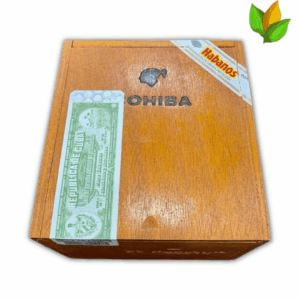
Unfortunately, the popularity of Cuban cigars means counterfeits are common. When examining **Bolívar Petit Coronas cigars**, look for the holographic Habanos seal on the box – this should be perfectly applied with sharp, clear graphics. Fakes often have blurry or poorly positioned seals.
The band itself should display crisp printing with precise color registration. The “Bolívar” script should be sharp and clear, never fuzzy or offset. Authentic bands have a particular feel and thickness that counterfeits rarely match perfectly.
Construction quality is another telltale sign. Genuine Cuban cigars from the factory show consistent wrapper color, proper cap application, and even density throughout. Fakes often have obvious construction flaws, loose caps, or uneven packing.
Always purchase from authorized dealers. While **price ranges** for authentic Cubans vary by market, suspiciously cheap offers are red flags. Reputable retailers provide authenticity guarantees and proper storage conditions.
For peace of mind about sourcing authentic Cuban cigars, working with established specialists ensures you’re getting genuine products with proper provenance.
Frequently Asked Questions
How does the Bolívar Petit Coronas compare to other Cuban brands?
In my experience, it’s stronger than most **Cohiba** offerings and more earthy than **Rocky Patel** blends. The **Bolívar Petit Coronas is another full-flavoured powerhouse** in the Cuban lineup, sitting between the intensity of Partagás and the refinement of Montecristo. If you enjoy bold Cuban character, this delivers it in concentrated form.
Is this too strong for intermediate smokers?
It depends on your definition of intermediate. If you’re comfortable with **full bodied smoke** and have experience with stronger cigars, you’ll likely appreciate its complexity. However, if you typically stick to **medium** strength blends, this might be overwhelming. I’d recommend trying it after a substantial meal to help manage the intensity.
How long should I age these cigars?
Fresh examples are perfectly smokeable, but I’ve found that 6-12 months of proper storage allows the **flavors** to integrate beautifully. The spicy elements mellow slightly, and those vanilla and fruit notes become more prominent. Some collectors age them for years, but the sweet spot for most **palate** preferences seems to be around the one-year mark.
What’s the best time of day to smoke this cigar?
Given its strength, I recommend afternoon or evening smoking. It’s substantial enough to serve as an after-dinner cigar, but the 30-45 minute timeframe also makes it suitable for late afternoon breaks. I wouldn’t suggest it as a morning cigar unless you’re accustomed to very strong blends.
Are there any similar alternatives if I can’t find Bolívar Petit Coronas?
For similar intensity in Cuban cigars, consider Partagás Serie D No. 4 or H. Upmann Magnum 46, though both are larger formats. If you’re open to non-Cuban alternatives, some **aged Honduran** blends from premium manufacturers can offer comparable **richness**, though the terroir will be distinctly different. The Cuban **Cuba** tobacco character is unique and difficult to replicate exactly.
This **review** represents my personal experience with multiple examples over several years. Each cigar can vary slightly, and your **palate** may respond differently to the various flavor elements. That said, the **Bolívar** brand consistently delivers quality, and this petit corona format showcases everything that makes Cuban tobacco special in a perfectly sized package.