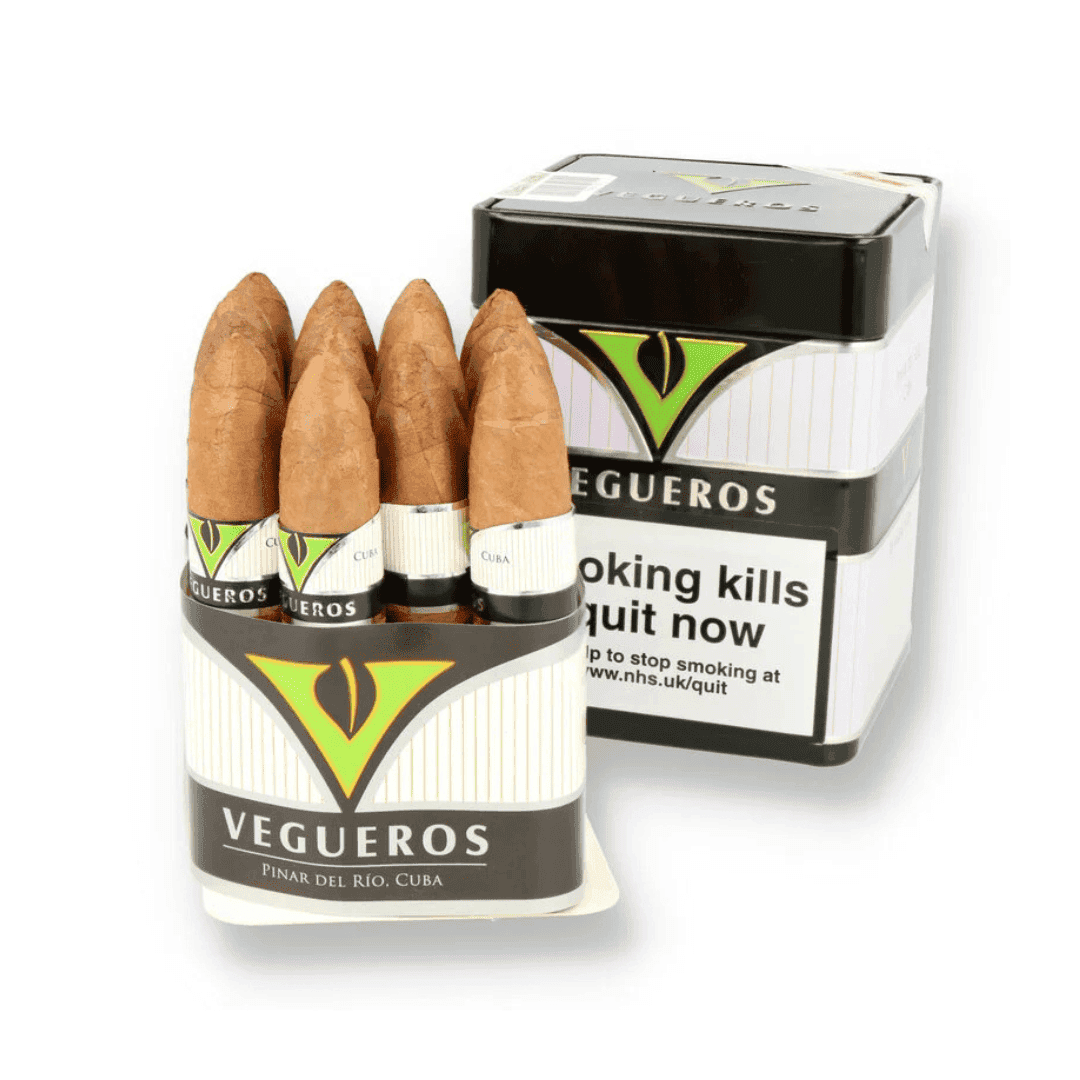
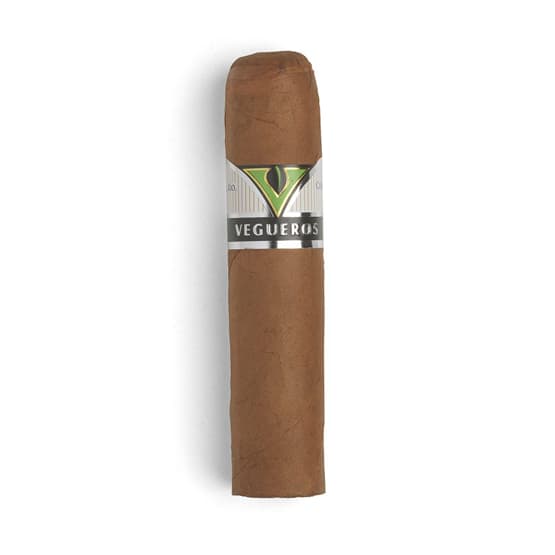
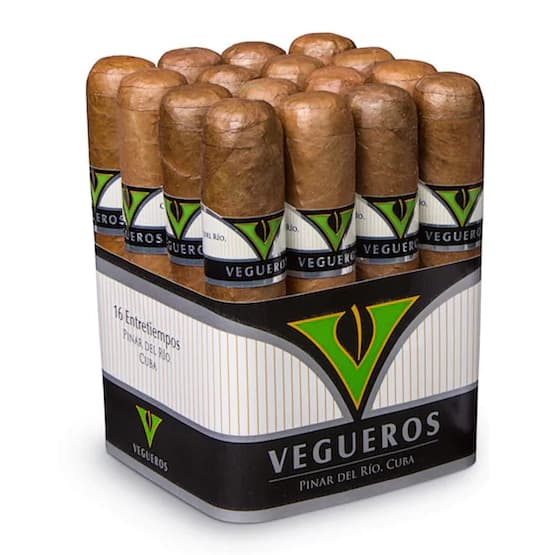
For the discerning aficionado, a Cuban cigar is more than a smoking instrument; it is a tangible piece of history wrapped in tobacco leaves. Among the many labels emerging from the island nation, Vegueros holds a unique position, deeply intertwined with the agricultural soul of the Pinar del Río region. While the flavor profile of these cigars speaks to the terroir of the land, the visual presentation of the packaging tells its own story. Specifically, the evolution of the Vegueros cigar band serves as a chronological marker, allowing enthusiasts to date their stogies and verify their provenance with a simple glance at the ring.
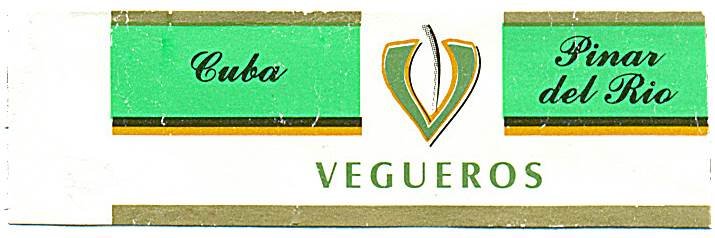

The Origins: The First Generation Band (1997–2012)
When the Vegueros brand was officially introduced to the global market in 1997, it arrived with a distinct visual identity that would remain consistent for the next decade and a half. This inaugural period, spanning from the brand's launch until 2012, is defined by what experts refer to as "Standard Band A." For fifteen years, this design acted as the face of the label, adorning thousands of boxes destined for humidors around the world.
From a tactile perspective, this original band design is characterized by its simplicity and smooth finish. Unlike the more elaborate packaging trends that would emerge later, the first-generation rings lacked any raised relief or textured detailing. Collectors handling a cigar from this era will notice the band features a flat, non-embossed surface. This lack of texture is the primary differentiator for the early models. Finding a well-preserved cigar bearing this original band has become increasingly difficult as time passes, turning these early productions into sought-after artifacts for those dedicated to the history of Cuban tobacco.
A Visual Refresh: The Modern Era (2013–Present)
The year 2013 marked a pivotal shift in the branding of Vegueros. As part of a broader modernization effort within the Cuban cigar industry, the brand underwent a visual refresh that resulted in the introduction of "Standard Band B." This redesign was not merely a change in ink or color; it represented a structural update to the cigar’s presentation that has persisted as the current standard. The transition signaled a new chapter for the label, moving it away from its late-90s origins and into a contemporary light.
The most significant technical alteration in this second generation of bands is the application of embossing. While the original bands were smooth to the touch, the updated versions introduced a textured element. This raised detailing provides a new layer of aesthetic depth and serves as a tactile checkpoint for buyers. By running a finger over the band, one can feel the intricate patterns that were absent in the pre-2013 iterations. This added dimension enhances the premium feel of the product and offers an additional layer of security against counterfeiting, a constant concern in the world of luxury cigars.
Identifying and Dating Your Vegueros Collection
For collectors and smokers who wish to accurately date their inventory, understanding the distinction between these two band styles is essential. The timeline of production provides a clear framework for identification, specifically regarding the transition point that occurred in 2013. Cigars featuring the smooth, non-embossed Band A are definitively products of the earlier era, representing the first fifteen years of the brand's commercial availability. Conversely, any cigar featuring the textured, embossed Band B can be immediately identified as a post-2013 production.
The value of these visual cues cannot be overstated. As the older stock dwindles in the secondary market, the presence of the original Band A often indicates a cigar that has enjoyed a longer period of aging, potentially offering a more nuanced smoking experience compared to a fresh-off-the-shelf counterpart. Below is a summary of the key identification markers:
- Production Timeline: The original smooth band was utilized exclusively from 1997 through 2012, making it the sole identifier for that era.
- Visual Status: The original design is now considered discontinued, rendering any existing stock increasingly rare and collectible.
- Tactile Differences: The earlier bands are defined by a lack of texture, whereas the current bands feature confirmed embossed detailing.
- Current Standard: Since 2013, the embossed Band B has been the only standard in production, replacing the older style completely.
The Significance of the Transition
The shift from the smooth, original bands to the embossed modern rings mirrors the broader evolution of the Cuban cigar industry. As manufacturers strive to combat illicit trade and elevate the status of their brands, small details like band texture and embossing quality become critical tools. For the Vegueros brand, rooted in the rich soil of Pinar del Río, this evolution ensures that the product remains visually competitive in a crowded luxury market while retaining its heritage.
Ultimately, the band serves as the cigar’s passport. Whether one holds a smooth-banded relic from the late 1990s or a freshly embossed vitola from the current decade, the packaging tells the story of where the cigar has been and when it was born. Recognizing these subtle differences allows the enthusiast to appreciate not just the smoke, but the history contained within the ring.