Among the most enigmatic and visually striking creations in the world of cuban cigars, the Partagas Culebras stands alone as a true conversation piece. When you first encounter these three intertwined panetelas braided together like a serpent ready to strike, you immediately understand why enthusiasts have spent decades partagas culebras - unraveling the mystery of the "snake" cigar. This unusual format defies conventional cigar logic—not merely a novelty, but a testament to the ingenuity and tradition that defines Havana's legendary tobacco heritage. For collectors and connoisseurs alike, owning a Culebra isn't just about acquiring another smoke; it's about possessing a piece of living history that bridges 19th-century craftsmanship with contemporary luxury.
The Legend Behind the Braid
The story of the Culebra format begins not in a marketing meeting, but in the practical realities of 19th-century cigar production. Legend holds that factory owners created this twisted trio as a clever deterrent against theft. Workers were permitted to take home the Culebras at the end of their shift—three cigars fused together that could not be easily concealed or sold individually. What began as a security measure evolved into one of the most sought-after expressions of habanos artistry.
Don Jaime Partagas y Ravelo established his eponymous factory in 1845, and under his stewardship, the brand became synonymous with full-bodied, robust flavors that challenged the palates of Victorian-era smokers. When Partagas adopted the Culebra format, they elevated it from a worker's perk to a prestige offering. Today, these cigars remain among the rarest regular production vitolas available, with each braid representing approximately forty-five minutes of meticulous handwork by Cuba's most skilled rollers.
Crafting the Serpent: From Leaf to Legend
Creating a Culebra requires a departure from standard rolling techniques. Each braid consists of three individual panetelas—slender cigars measuring approximately 5 7/8 inches with a 39 ring gauge—crafted from the same premium tobacco blend that defines the Partagas line. Master rollers select leaves from the Vuelta Abajo region, specifically choosing medio tiempo and ligero tobaccos that provide the signature strength and complexity.
The magic happens during the forming process. After each of the three cigars is rolled and pressed, they are moistened slightly and carefully twisted together while the wrapper leaf remains pliable. This interweaving creates the distinctive serpentine appearance that gives the cigar its name. Once twisted, the trio is bound with ribbon and left to dry in this configuration, allowing the cigars to "marry" and develop subtle flavor exchanges between the individual sticks.
What makes this process particularly fascinating is that each cigar in the braid matures differently. The outer surfaces exposed to air develop differently than the inner touching surfaces, creating three distinct smoking experiences that share a common DNA. When you purchase Partagas Culebras, you're not buying three identical cigars—you're acquiring three variations on a theme, each with its own character.
The Ritual of Separation and Enjoyment
Unlike any other cuban cigars, the Culebra demands a specific preparation ritual. The braid must be carefully untwisted before smoking, a process that requires patience and a gentle touch. Attempting to smoke the cigars while still braided will result in uneven burns and overheating, destroying the nuanced experience these habanos offer.
Once separated, you'll notice that each cigar retains a slight curve from its time in the braid—a reminder of its unique journey. The smoking experience delivers the classic Partagas profile: earthy notes of cedar and leather underscored by peppery spice and subtle sweetness. However, the draw and burn characteristics vary slightly between the three, offering an educational tasting session that reveals how wrapper exposure affects combustion and flavor development.
Many aficionados choose to smoke these with friends, making the Culebra a social cigar that literally divides to be shared. Others prefer to cellar the separated cigars individually, allowing them to rest and evolve before enjoying them on separate occasions. Either approach honors the tradition, though purists argue that smoking all three in succession provides the complete narrative that the roller intended.
Collecting and Storing These Rare Treasures
Due to their limited production and unique format, Culebras have become grail items for serious collectors. When storing them, maintain the braid intact until you're ready to smoke—this preserves the humidity exchange that keeps the trio balanced. Keep them in a separate compartment of your humidor or in their original box, as the twisted shape can damage traditional box-pressed cigars if stored together.
Humidity management requires particular attention with this format. The overlapping sections can trap moisture or dry unevenly if conditions fluctuate. Maintain a stable 65-67% relative humidity and rotate the braid monthly to ensure even aging. Many collectors report that aged Culebras—those resting for five years or more—develop remarkable complexity, with the marriage between the three cigars creating tertiary notes of cocoa and dried fruit that exceed the standard Partagas profile.
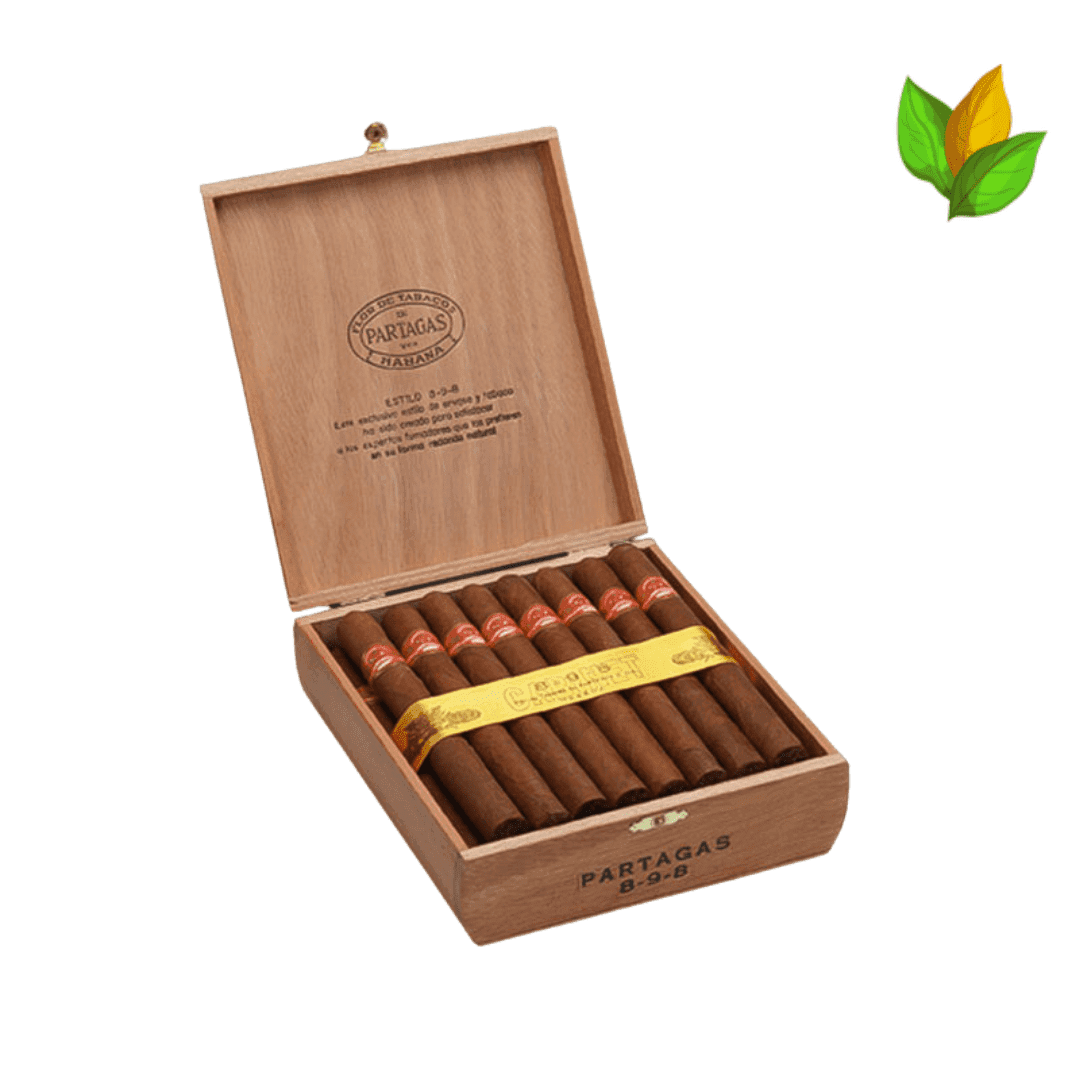
For those looking to add this rarity to their collection, Partagas Culebras Boxes typically contain either three or five braids (nine or fifteen individual cigars), packaged in the brand's iconic red-and-gold livery. Given their scarcity, when available, they represent an investment in cigar history as much as a purchase for immediate enjoyment.
Why the Mystery Endures
In an era of mass production and standardization, the Culebra remains stubbornly artisanal. No machine could replicate the hand-twisted intimacy of three cigars embracing one another. When you hold a Partagas Culebra, you're connecting with a tradition that has survived wars, revolutions, and changing tastes.
The mystery of the "snake" cigar isn't solved merely by understanding its construction or history—it's revealed in the smoking, the sharing, and the contemplation of how something born from practicality became poetry. For the modern aficionado seeking cuban cigars that transcend the ordinary, the Culebra offers not just smoke, but story. It reminds us that in Havana's finest factories, innovation and tradition dance together, sometimes twisting themselves into shapes as unexpected and beautiful as a serpent waiting to be unwound.