In the dynamic world of Cuban tobacco, where heritage and tradition often take center stage, certain releases inevitably fade into history, leaving behind a legacy that intrigues collectors and casual smokers alike. The H. Upmann Puritos stands as a notable example of a departed regular production item that once offered a distinct experience within the brand's portfolio. While this cigar is no longer rolling off the factory floors, it remains a point of interest for those who appreciated its unique combination of convenience and classic flavor. It served as a gateway for many into the storied house of H. Upmann, providing a snapshot of the brand’s renowned profile in a format designed for the constraints of a busy schedule.

The Demise of the "Chicos" Vitola
For years, the Puritos occupied a specific niche within the extensive catalog of Habanos. It was categorized firmly within the "Small Cigars" designation, a classification reserved for those seeking the genuine Havana taste without the time commitment required for a full-sized vitola. The discontinuation of this line marked the end of an era for the specific factory vitola known as "Chicos." While the brand continues to thrive with other offerings, the absence of this particular machine-made option has left a void for smokers who prioritized efficiency and portability over the ceremonial length of a handmade double corona.
The move to discontinue the Puritos reflects broader shifts in the Cuban cigar industry, where production focuses often shift toward premium handmade lines. However, during its tenure, the Puritos was a staple for the everyday smoker. It demonstrated that the rich history of H. Upmann, which stretches back to 1844, could be successfully translated into a more diminutive format. The "Chicos" name, translating to "small" or "boys" in Spanish, was an apt moniker for this compact stick, signaling its stature while promising the same reputable lineage as its larger siblings.
Machine-Made Consistency and Dimensions
One of the defining characteristics of the H. Upmann Puritos was its construction. Unlike the premium hand-rolled cigars that dominate the luxury market, this offering was machine-made. This method of manufacturing provided a distinct advantage: absolute consistency. Where a hand-rolled cigar might vary slightly in draw resistance or burn rate due to the human element, the Puritos offered a reliable, predictable smoke every time. This reliability, coupled with an accessible price point, made it an attractive option for those seeking value.
The physical specifications of the cigar further emphasized its role as a convenient alternative. It was a slender stick, designed for a quick burn and an easy draw. The engineering behind the format ensured that the smoker could enjoy the essential characteristics of the tobacco without the investment of a long afternoon.

Technical Profile
- Factory Vitola Name: Chicos
- Dimensions: Measuring 106 mm (approximately 4 1/8 inches) in length with a ring gauge of 29.
- Weight: An official weight of 3.00 grams.
- Status: Discontinued Regular Production.
The choice of a 29 ring gauge placed this cigar firmly in the "thin" category, a traditional size that encourages a focused smoking experience. The construction was robust enough to hold its shape, yet the draw remained effortless, a testament to the quality control inherent in the machine-made process.
Visual Identity and Packaging
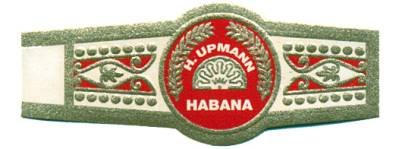
Despite its machine-made status and smaller size, the H. Upmann Puritos did not sacrifice brand identity. The cigar featured a miniature band design that was a direct descendant of the brand’s standard "Band B." This careful attention to branding ensured that the Puritos visually connected itself to the broader H. Upmann family. The scaled-down band retained the iconic imagery and typography that collectors recognize, serving as a stamp of authenticity and heritage on every stick.
The presentation of the product was equally focused on practicality. The Puritos were sold in cardboard packs containing five cigars each. This format was ideal for the smoker on the move, as the pack could easily slip into a pocket or bag without the bulk of a traditional wooden box. Furthermore, each individual cigar was protected by a cellophane wrapper. This layer of protection was crucial for maintaining freshness and ensuring that the tobacco remained in optimal condition regardless of the environment, making the Puritos a truly travel-friendly companion for the aficionado.