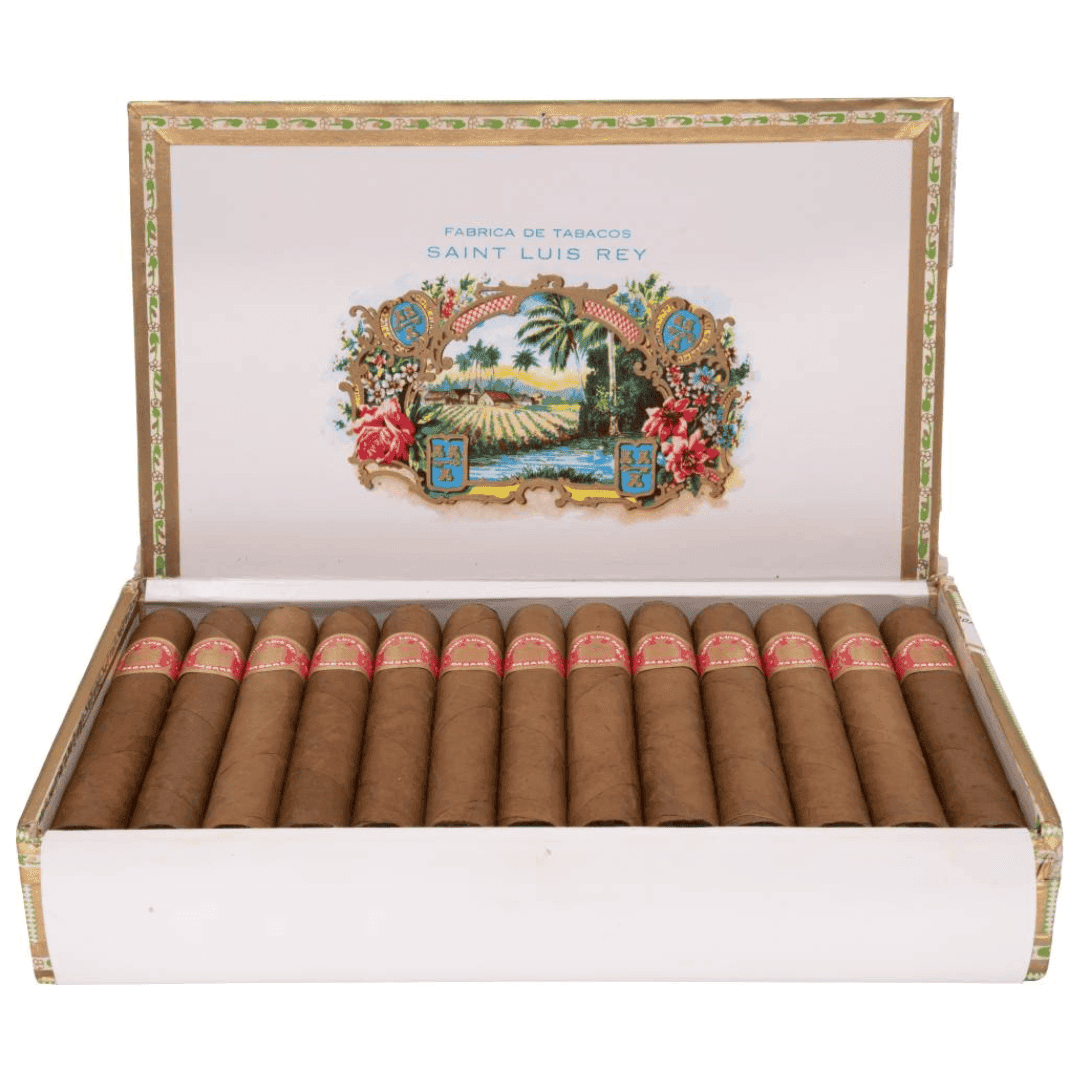
When the final tin of Saint Luis Rey Petit Coronas was sealed in 2010, a fifty‑year run of a classic Habano came to an end. This unpretentious petit corona had survived shifts in fashion, economic embargoes, and the rise of boutique cigars, becoming a quiet benchmark for smokers who valued consistency over flash.

Pre‑Castro Roots
The Petit Coronas owe their lineage to the early days of Cuban cigar manufacturing, appearing well before the 1960s. Saint Luis Rey, a marque that has long been associated with medium‑strength blends, introduced this vitola as a regular production size, allowing it to ride the wave of post‑war popularity. Over the ensuing decades, the cigar remained a staple, adapting to new regulations and market tastes while keeping its core blend intact.
Technical Profile
From a construction standpoint, the Petit Coronas is a hand‑made parejo, rolled in the Marevas format—essentially a corona that measures a modest 42 ring gauge and 129 mm (about 5 ⅛ inches) in length. Each stick weighs in at an official 8.46 g, a weight that balances a comfortable draw with a cool burn. The blend, while not publicly detailed, is known for its balanced mix of earthy tobacco, subtle spice, and a gentle sweetness that develops after a few years of aging. The cigar’s band carries the classic “A” designation, a hallmark that signals its authenticity within the Habanos portfolio.

Vitola Details
- Factory name: Marevas
- Ring gauge: 42
- Length: 129 mm (5 ⅛″)
- Weight: 8.46 g
- Construction: Handmade
Packaging Evolution
Throughout its long life, the Petit Coronas appeared in several distinct packaging styles, each reflecting the era’s preferences and production capabilities.
- Dress box of 25: The final standard presentation, discontinued when the line ended in 2010.
- Cardboard pack of 5: A convenient smaller format that vanished from stores in 2009.
- Dress box of 25 in aluminium tubes: Tubed versions offered extra protection and were phased out in 2006.
- Slide‑lid box of 50: The traditional cabinet‑style pack, retired around 2003. Notably, cigars sold in these SLB boxes were presented without any band, preserving an older tradition of presenting the smoke in its most naked form.
The progression from wooden cabinets to sleek metal tubes mirrors broader trends in cigar marketing, yet each format retained the same core experience inside the box.
Legacy and Collectibility
For aficionados who remember the Petit Coronas as an affordable, reliable smoke, its discontinuation feels like losing an old friend. Its Marevas shape epitomizes the traditional Cuban corona that many other brands used as a template for their own blends. Though newer releases have tried to fill the gap, none have captured the exact balance of flavor and burn that made the original so beloved.
In the secondary market, boxes that survived the years—especially those in sealed tubes or original slide‑lid format—command premium prices. Collectors prize the band‑less SLB examples for their historical authenticity, while the tubed editions are sought after for their aging potential, as the aluminium shell protects the cigar from humidity fluctuations.
The Petit Coronas may no longer roll off the factory floor, but its influence lingers. It reminds us that sometimes the most enduring cigars are not the flashiest, but those that quietly deliver consistent pleasure year after year.