For the serious aficionado, the pursuit of Cuban cigar history is often just as satisfying as the smoking experience itself. Among the many discontinued formats that command attention on the secondary market, few carry the quiet mystique of the Romeo y Julieta Romeos. This specific vitola represents a fascinating bridge between the pre-revolutionary golden era and the nationalized industry that followed, offering a tangible link to the brand's storied past before it vanished from regular production lineups.

A Bridge Between Two Eras
The story of the Romeos is unique because it spans a transformative period in Havana's history. While the cigar was born prior to the sweeping political changes of 1959, it managed to survive well beyond the revolution. It was not a casualty of the immediate transition; rather, it remained a staple in the brand's regular portfolio throughout the turbulent 1960s and into the subsequent decade. This longevity speaks to the cigar's popularity and the quality of its construction during a time when the Cuban cigar industry was undergoing massive structural shifts.
However, all good things must come to an end. By the late 1970s, the Romeos was officially retired, ceasing to be a standard production item. Its departure marked the conclusion of a nearly twenty-year run, leaving behind a legacy that has since become a prize for collectors seeking to preserve the flavors of a bygone era. While the original cigar is no longer rolling off the tables in Havana, the name itself has proven too iconic to fade into total obscurity.
Technical Specifications and Design
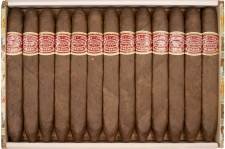
The physical attributes of the Romeo y Julieta Romeos reveal why it was such a respected format. It was a substantial smoke, designed for the discerning palate. The vitola was entirely handmade, a testament to the traditional rolling techniques prioritized by the brand during that epoch. Collectors looking to identify an original specimen should note the precise measurements that define this particular format.
- Dimensions: The cigar measures 162 mm (approximately 6⅜ inches) in length, providing a long, contemplative smoking experience.
- Ring Gauge: It features a ring gauge of 52, offering a comfortable draw and a balanced flavor profile.
- Weight: The official weight clocks in at 13.22 grams, indicative of a densely packed filler.
- Presentation: The cigar was adorned with the early "Type A" band, a visual marker that distinguishes it from modern band designs.
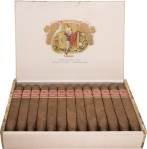
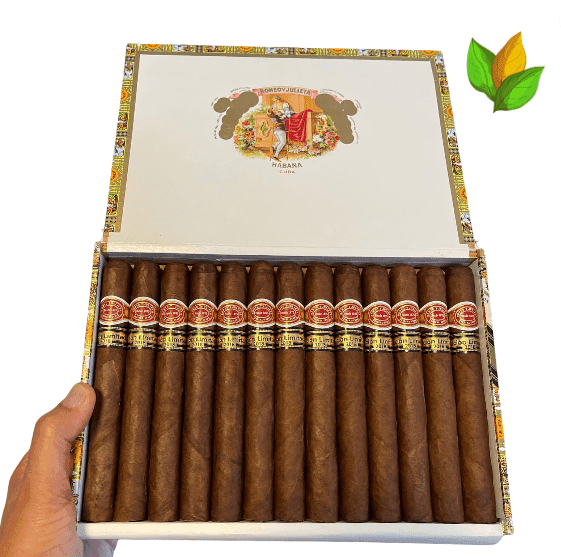
The packaging was equally classic, presented in dress boxes of 25 cigars. This method of presentation was standard for premium handmades of the time, emphasizing the elegance and premium nature of the product inside.
Modern Interpretations of a Classic
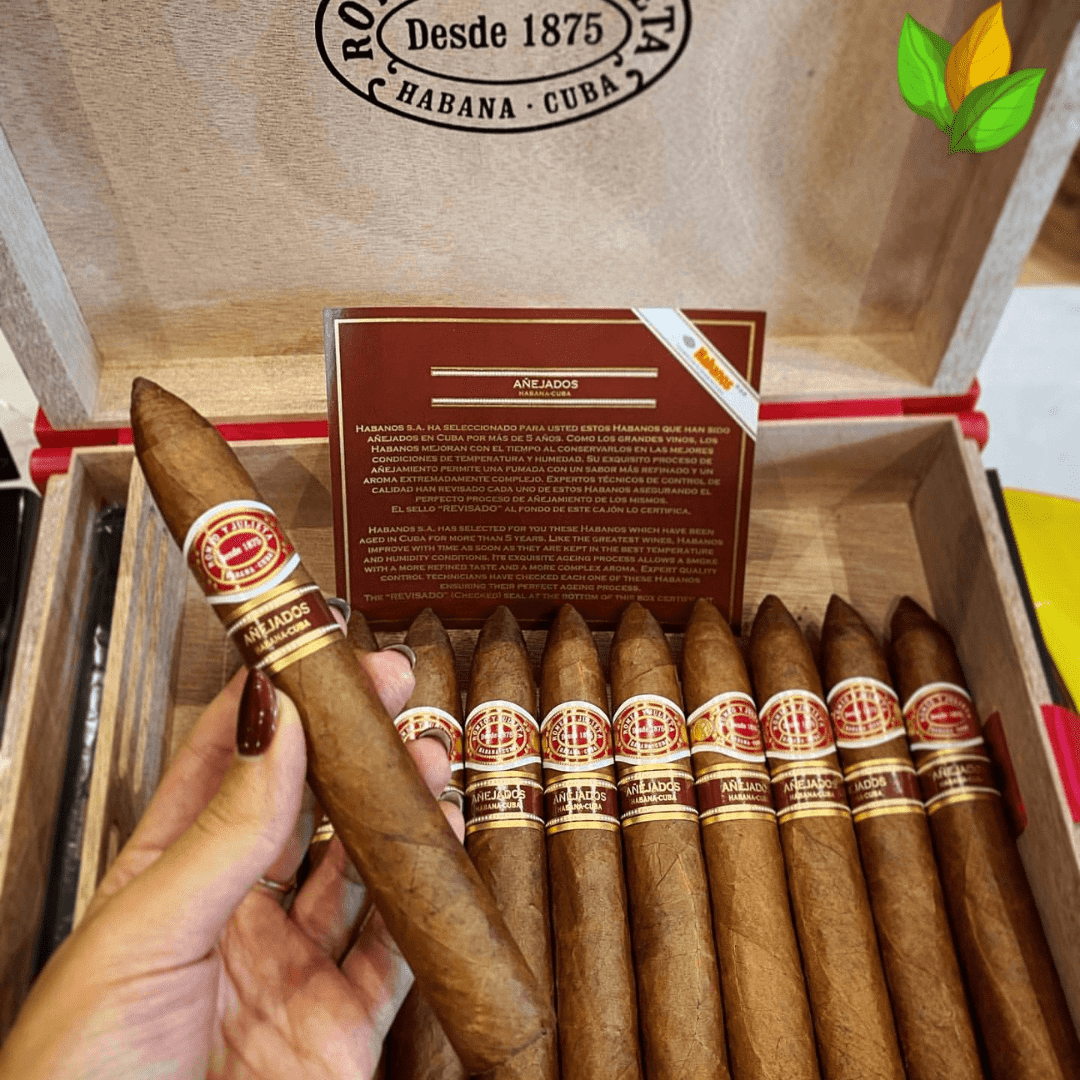
Although the regular production line was silenced decades ago, the "Romeos" moniker has experienced a resurrection through special releases. Habanos S.A. has occasionally utilized the name for limited edition humidors, allowing modern enthusiasts to experience a contemporary interpretation of the historic size. These releases serve as homage to the original, keeping the vitola's memory alive in the modern catalog.
Notable special releases that have carried the Romeos name include:
- Romeo y Julieta Romeos Siglo XXI Millennium Humidor: A release that celebrated the turn of the century with a unique presentation.
- Romeo y Julieta Romeos 125 Aniversario Humidor: Created to honor the brand's 125th anniversary, offering a taste of history.
- Romeo y Julieta Romeos Réplica de Humidor Antiguo: A release focused on replicating the antique aesthetic of the brand's early 20th-century output.
While these modern iterations provide a glimpse into the brand's architectural history, they are distinct from the vintage originals that were produced prior to the late 1970s. For the true collector, the original pre-discontinuation Romeos remains the holy grail—a smoke that captures the essence of a Havana that no longer exists.