Within the vast and storied portfolio of Habanos, the Romeo y Julieta brand remains a titan, recognized globally for its consistent quality and rich heritage. Among its diverse offerings, the Romeo No. 3 holds a unique position, representing a bridge between the industrial past of Cuban cigar making and the artisanal present. While many modern smokers demand fully hand-rolled luxury, this particular vitola has not always been a product of the roller's bench. Its journey from a mechanized staple to a handcrafted delicacy offers a fascinating glimpse into the evolution of consumer expectations and brand standards over the last half-century.

From Machine-Made to Hand-Rolled Excellence
The history of the Romeo No. 3 stretches back to an era before the Cuban Revolution, firmly establishing it as a pre-1960 release. For decades, this cigar occupied a specific niche in the market as a machine-made product. It retained this mechanized status for the better part of the 20th century, only undergoing a significant manufacturing transformation around the year 2002.
This pivotal shift saw the production method move entirely away from machine assistance to total hand construction. This transition was not merely a change in technique but a statement of intent by the brand to elevate the cigar's prestige. By entrusting the rolling to skilled torcedores, the manufacturer ensured that the Romeo No. 3 could compete in a market that increasingly values the nuances of handcrafted quality. This upgrade in construction has allowed the cigar to shed its reputation as a simple, everyday smoke and re-emerge as a contender for the aficionado’s humidor.
Technical Specifications and the Coronitas Format
In the factory lexicon of Cuba, the Romeo No. 3 is identified by the vitola name Coronitas. This designation refers to a specific size and shape that offers a distinct smoking experience compared to wider contemporary formats. The cigar presents a slender profile, a characteristic that tends to emphasize the flavors of the wrapper leaf and binder, demanding a precise draw from the roller.
The technical measurements reveal a cigar designed for a focused, moderate smoking session. With a ring gauge of 40 and a length of 117 millimeters (approximately 4⅝ inches), the Romeo No. 3 is neither a quick smoke nor a marathon. It strikes a balance, offering a duration that suits a mid-day break. Weighing in at an official 6.78 grams, it is a lightweight in terms of physical heft, yet it carries the standard visual identifiers of the brand. The presentation includes the standard Romeo y Julieta banding, specifically utilizing both Band A and Band D, ensuring that the visual aesthetic matches the traditional reputation of the marque.
Packaging Evolution and the Discontinued Tubes
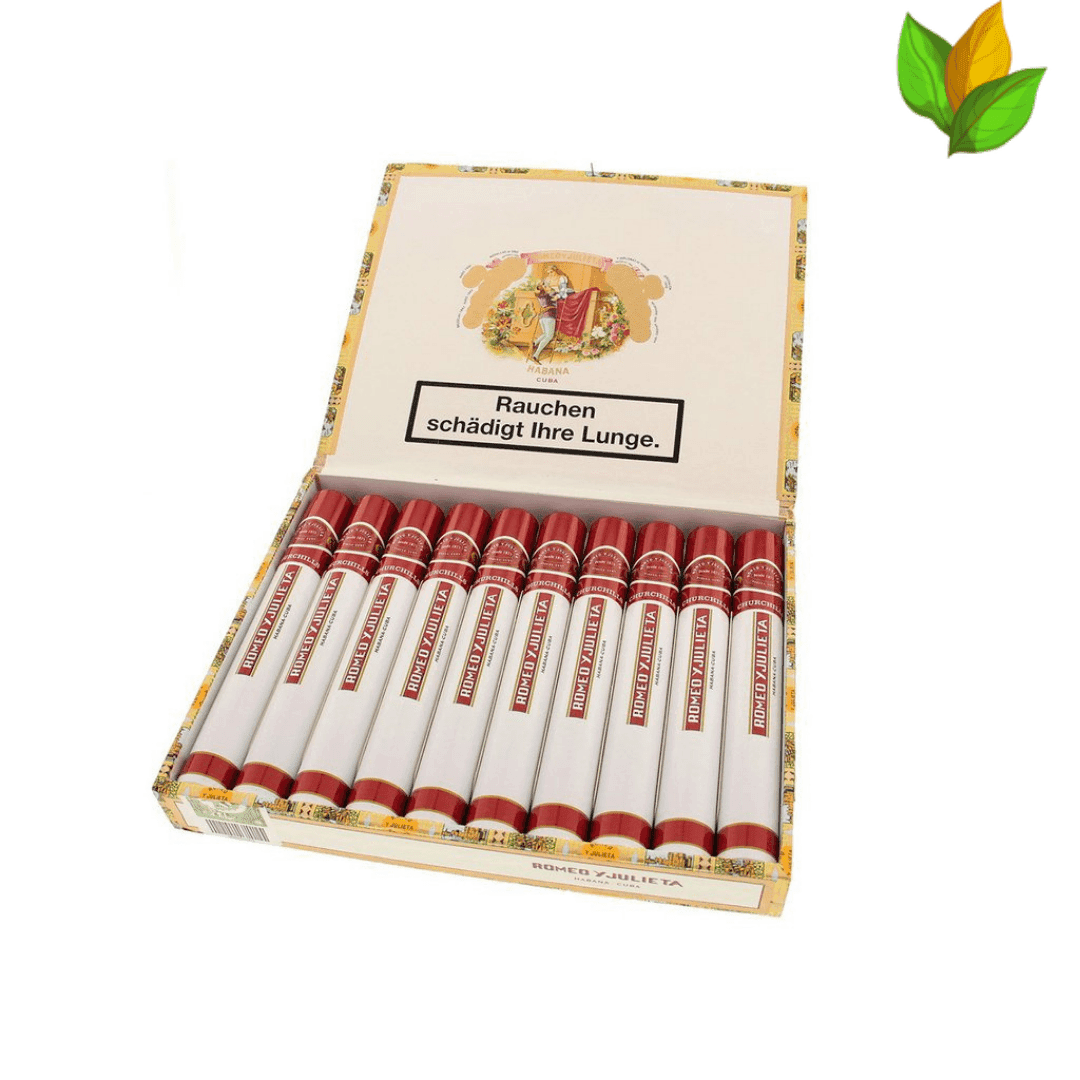
One of the most notable changes in the lifecycle of the Romeo No. 3 involves its presentation. Historically, the cigar was synonymous with aluminum tube packaging, a feature that served both as a protective vessel and a marketing tool. For many years, consumers could find these cigars in several distinct box configurations:
- Dress boxes containing 25 cigars, each housed in its own aluminum tube.
- Dress boxes holding 10 tubed cigars.
- Display boxes containing 15 cigars, uniquely arranged in five cardboard packs of three cigars each.
However, the aesthetic of these tubes underwent a redesign around 2008, introducing a new look for a brief period. Ultimately, the tubed presentation was phased out entirely. In the current market, the aluminum tube versions have been discontinued, meaning modern enthusiasts must now seek out the standard boxed versions or turn to the secondary market to experience the older tubed presentation. This shift has streamlined the product line, stripping away the metal armor for a more traditional dress box delivery.
The Special Edition Connection
Beyond the standard regular production, the legacy of the Romeo No. 3 has been bolstered by special edition releases. Collectors and enthusiasts should be aware of the Romeo y Julieta Romeo No. 3 "Los 3 Romeos," a limited variation that stems from this specific vitola. This release highlights the brand's strategy of leveraging its core sizes to create exclusive, collectible iterations that offer a twist on the standard flavor profile or presentation. The existence of such a special edition underscores the enduring popularity of the format, proving that the Coronitas size remains relevant enough to warrant unique, small-batch treatments alongside the main line.