Cigars & vitolas
Romeo No.1 Review: A Guide to the Classic Cuban Cigar
Within the vast and storied catalog of Habanos, few names command as much immediate respect as Romeo y Julieta. Among its diverse lineup, the Romeo No. 1 occupies a special place, serving as a bridge between the brand's historic past and its modern present. This cigar is not merely a smoking accessory; it is a artifact of Cuban industry that has successfully evolved from a mass-produced commodity into a premium handmade luxury, offering enthusiasts a distinct window into the brand's heritage.

From Machine-Made to Masterpiece
The history of the Romeo No. 1 is defined by a significant transformation that speaks volumes about the changing landscape of the Cuban cigar industry. Its roots stretch back to the era preceding the 1960s, making it a vitola with decades of history. For a large portion of its life, this cigar was constructed using industrial methods; it was a machine-made product until roughly 2002. This shift marked a pivotal moment for the brand, as production transitioned entirely to handmade craftsmanship. This upgrade in construction method elevated the cigar's status, transforming it from a simple smoke into a legitimate premium offering that demanded the attention of serious connoisseurs.
Specifications and Visual Identity
The technical profile of the Romeo No. 1 identifies it as a classic "Cremas" format within the factory's nomenclature. It measures 140 mm (5½ inches) in length with a slender ring gauge of 40, resulting in an official weight of 8.11 grams. This elongated, thin format is prized for its elegant draw and ability to concentrate flavors, providing a smoking experience that differs significantly from the thicker "robusto" formats popular today.
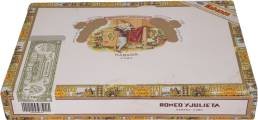
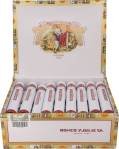
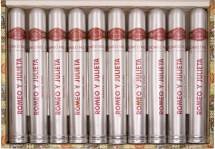
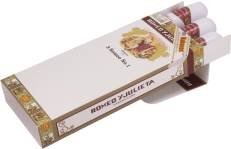
Visually, the cigar is instantly recognizable by its presentation. It is famously sold encased in individual aluminum tubes, a packaging choice that speaks to convenience and preservation. Collectors often note the aesthetic evolution of these tubes. Prior to 2008, the tubes sported an older design, but they have since been updated to reflect a more contemporary look. This distinction allows seasoned hunters to date their purchases, differentiating between the vintage aesthetic of the past and the modern polish of current releases. The cigar itself wears the standard Romeo y Julieta livery, utilizing both Band A and Band D to signify its authenticity.










Presentation Formats
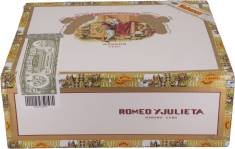
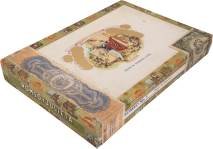
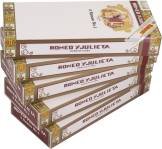
Aficionados have several options when seeking out this vitola, depending on their desired quantity. The most common configuration is a dress box containing 10 cigars, each nestled in its own protective aluminum tube. For those looking to stock their humidors more thoroughly, there is a larger dress box option containing 25 tubed cigars. Additionally, a display box format exists which holds 15 cigars; these are organized into five distinct cardboard packs, with three cigars in each pack, offering a practical solution for travel or gifting.
Tasting Notes and Sensory Experience
Lighting up a Romeo No. 1 reveals why this vitola has remained in regular production for so long. The smoking experience is defined by a refined elegance and a strength profile that sits comfortably in the mild-to-medium range. It is not a cigar that overpowers the palate; rather, it invites the smoker to explore a balanced spectrum of aromas.
The flavor architecture is built upon a foundation of cocoa, which stands out as the primary tasting note. This rich chocolate base is beautifully supported by a medley of baking spices, distinct cinnamon accents, and bright hints of citrus. As the burn progresses, the complexity increases. Smokers often detect a creamy texture interwoven with coffee nuances, while natural sweet notes of honey and molasses provide a smooth counterpoint to the spice.
Secondary layers add further depth to the profile. Observant palates may identify nuances of milk chocolate, vanilla, and subtle suggestions of berries and caramel. A touch of cedar provides a woody backbone typical of quality Cuban tobacco. On the finish, the cigar offers a satisfying conclusion with occasional floral whispers and mocha tones, leaving a lingering, pleasant aftertaste. The overall consensus among enthusiasts points to a smoke that scores high on balance and elegance, offering a complex yet approachable journey from start to finish.
For those wishing to explore variations of this classic size, the brand also offers the Romeo No. 1 Los 3 Romeos, a related release that provides an alternative interpretation of this historic format. Whether choosing the original or its variant, the smoker is engaging with a piece of Cuban history that has successfully stood the test of time.
Reader questions
Questions & answers
Are Romeo y Julieta Romeo No.1 cigars hand rolled?
Asked by HavanaSmoker · Mar 24, 2026
Yes, current production Romeo No.1 cigars are fully handmade. While this vitola traces back to the pre-1960 era, it was produced as a machine-made cigar until approximately 2002. The transition to handmade construction significantly elevated its craftsmanship and appeal. Presented in elegant aluminium tubes, the Romeo No.1 measures 140 mm (5½") with a 40 ring gauge.
Cuban Cigars For Sale · Mar 24, 2026
What is the difference between Romeo No.1 and No.2?
Asked by CubanCigarFan · Feb 14, 2026
The primary difference lies in their dimensions and smoking duration. The Romeo No.1 measures 140 mm (5½") with a 40 ring gauge (Cremas vitola), while the Romeo No.2 is slightly shorter at 117 mm (4⅝") with a 42 ring gauge. Both are handmade and tubed, but the No.1 offers a longer, more leisurely smoking experience compared to the compact No.2.
Cuban Cigars For Sale · Feb 14, 2026
What is the history of the Romeo No.1 cigar?
Asked by WeekendSmoker · Jan 12, 2026
The Romeo No.1 is a historic Cuban vitola originating in the pre-1960 era. For decades, it was produced as a machine-made cigar until transitioning to fully handmade construction around 2002. This shift marked a significant evolution in quality. It remains a regular production item in the Romeo y Julieta portfolio, known for its classic Cuban profile and aluminium tube presentation.
Cuban Cigars For Sale · Jan 12, 2026
Is the Romeo No.1 a good cigar for beginners?
Asked by AficionadoMike · Dec 28, 2025
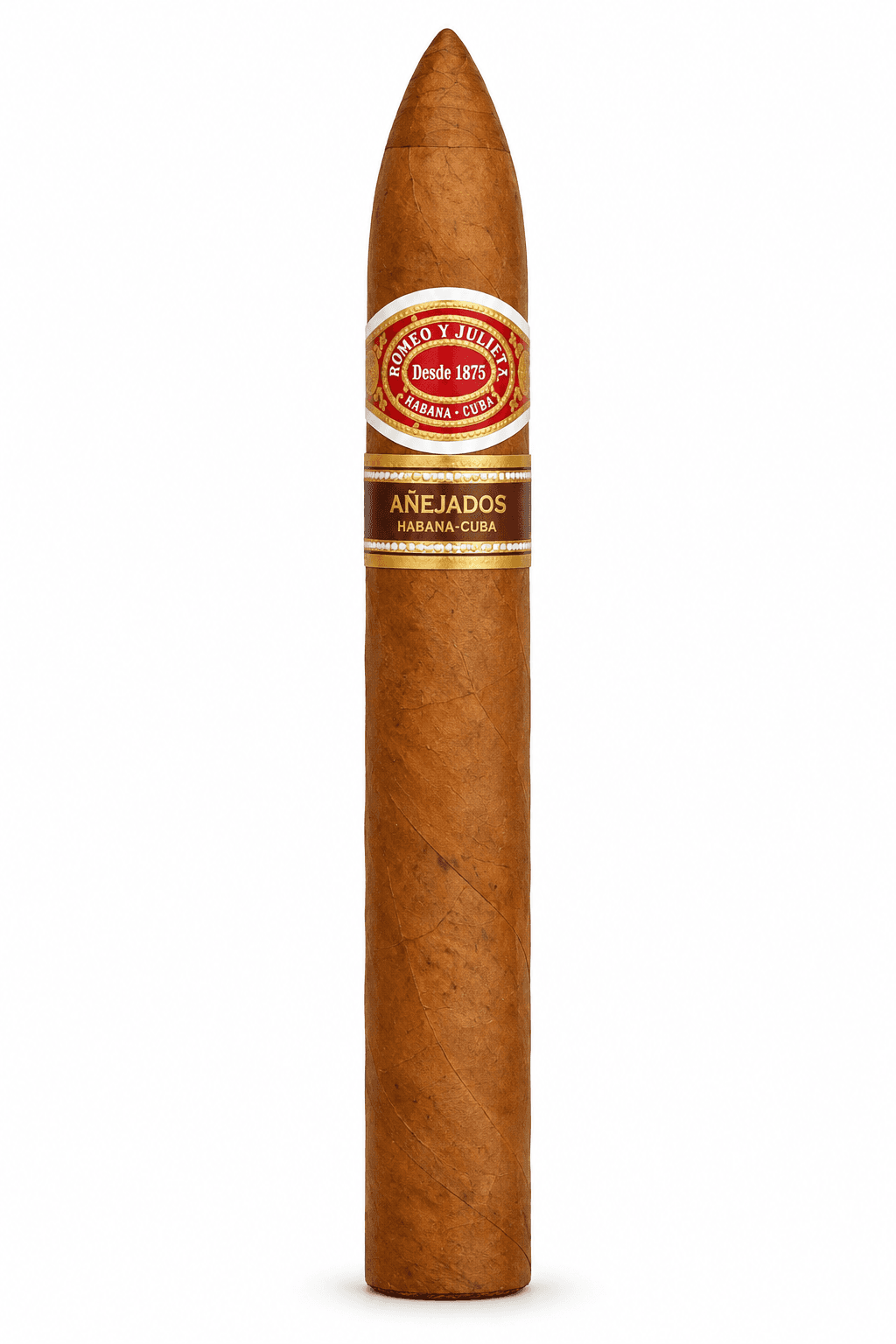
The Romeo No.1 is an excellent choice for beginners due to its mild-to-medium body and approachable flavor profile. As a handmade Cremas (140 mm x 40 ring gauge), it offers a manageable smoking time and classic Cuban flavors of cedar and cream. Its presentation in an aluminium tube also ensures freshness. You can explore our selection of <a href="/romeo-y-julieta-piramides-anejados">Romeo y Julieta Pirámides Añejados</a> for similar profile options.
Cuban Cigars For Sale · Dec 28, 2025