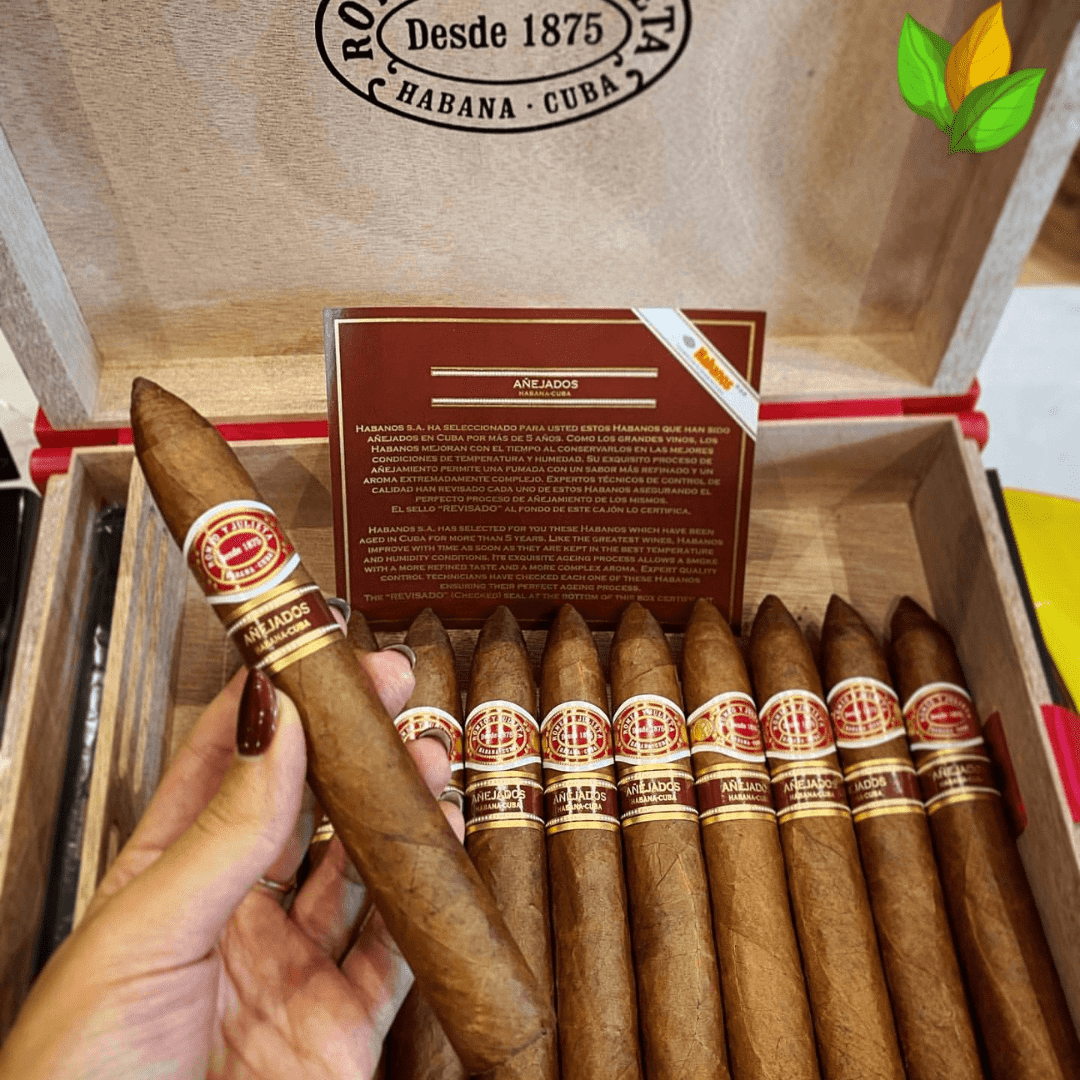
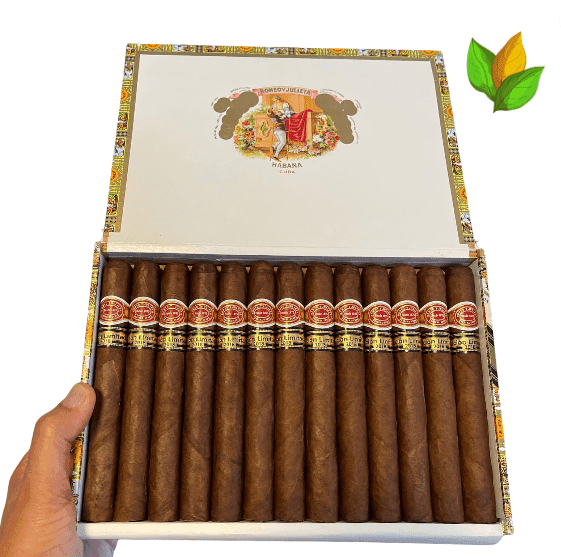
For the discerning aficionado, the allure of Cuban tobacco often lies in the discovery of formats that have vanished from modern catalogs. Among the most intriguing of these historical artifacts is the Romeo y Julieta Las Tres Romeos Selection. This release offers a unique window into the storied past of one of Havana's most prolific marques, presenting a trio of standard production sizes that have since become highly sought-after relics of the pre-revolutionary era.



The Concept Behind the Collection
True to its Spanish title, which translates to "The Three Romeos," this assortment was designed to provide smokers with a comprehensive survey of the brand's classic profile through three distinct formats. Unlike special edition releases that introduce entirely new shapes, this collection relied on the brand's existing standard portfolio. This approach allowed enthusiasts to experience the nuances of different burn times and ring gauges without committing to full boxes of a single vitola. It was a sampler in the truest sense, offering a curated experience of the Romeo y Julieta house style before many of these sizes faded into history.
Deconstructing the Trio
The collection was defined by its specific composition, bundling three different cigars into a single presentation box. The arithmetic of the package was unique, containing a total of 25 cigars divided among the three varieties. Each cigar was hand-rolled, showcasing the traditional Cuban construction methods that defined the era.
- Romeo No. 1 Deluxe (Coronas): The largest of the bunch, this vitola measured 142 mm (5⅝ inches) in length with a ring gauge of 42. The box included five of these substantial smokes, offering a longer, more contemplative session.
- Romeo No. 2 Deluxe (Marevas): Often considered the benchmark for the brand, this size measured 129 mm (5⅛ inches) with a 42 ring gauge. The collection featured seven of these popular cigars, known for their balance and consistent draw.
- Romeo No. 3 Deluxe (Franciscanos): The most slender and compact of the set, this cigar stretched 116 mm (4⅝ inches) with a 40 ring gauge. Thirteen of these smaller vitolas rounded out the collection, providing a shorter smoke ideal for limited timeframes.
Presentation and Craftsmanship
Beyond the tobacco itself, the Las Tres Romeos Selection was distinguished by its sophisticated presentation. The cigars were housed in a standard dress box, but the internal packaging elevated the product. Each individual cigar was encased in its own aluminum tube. This method of storage was not merely aesthetic; it served a functional purpose by preserving the essential oils and humidity of the tobacco, ensuring the cigar remained fresh from the factory floor to the moment of ignition. The tubes also added a layer of physical protection, preventing damage to the delicate wrappers during transport.
Visually, the cigars were adorned with the classic "Band A" design. This emblem is instantly recognizable to collectors, serving as a stamp of authenticity and a link to the brand's extensive lineage. The entirely handmade nature of these cigars further cemented their status as premium products, distinct from the machine-made alternatives that would flood other segments of the market in later decades.
A Legacy Rediscovered
The origins of this specific selection date back to a time before 1960, placing it squarely within the "pre-revolutionary" category that drives modern auction prices to staggering heights. Production of this specific assortment continued for decades before eventually ceasing during the 1980s. Today, finding a surviving box is a rare treat for historians and collectors, representing a tangible piece of the brand's heritage before the consolidation of the Cuban cigar industry changed the landscape forever.
Interestingly, the legacy of these three specific sizes proved durable enough to warrant a revival at the turn of the millennium. The Romeo No. 1, No. 2, and No. 3 Deluxe sizes were revisited for the prestigious Siglo XXI Millennium Humidor release. This modern tribute underscored the historical importance of the Las Tres Romeos lineup, proving that these dimensions were integral to the identity of Romeo y Julieta and deserved to be celebrated by a new generation of smokers.