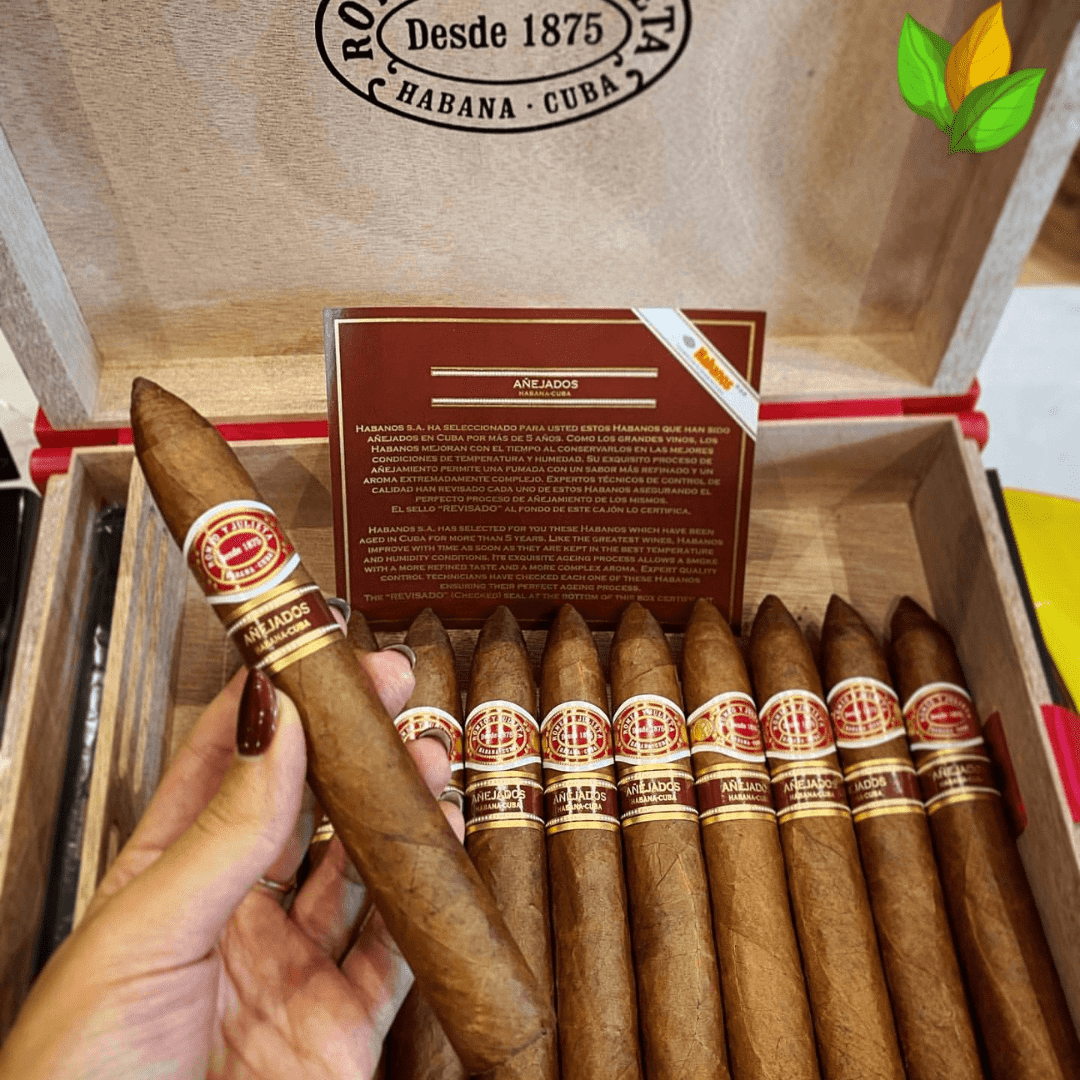
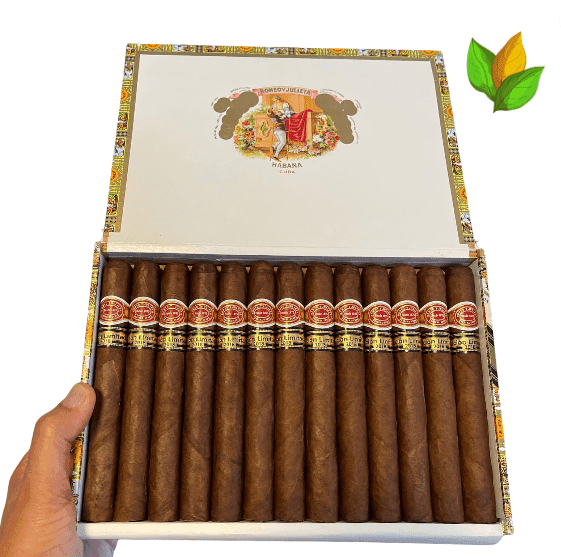
For the discerning aficionado, the pursuit of vintage Cuban cigars is often less about smoking and more about preserving history. Among the most intriguing ghosts of Havana's past is the Romeo y Julieta Julietas, a format that has long since vanished from production lines. While the modern market is dominated by robustos and imposing figurados, this slender, discontinued vitola serves as a reminder of a different era in tobacco craftsmanship, offering a glimpse into the heritage of one of Cuba's most illustrious brands.

A Legacy Spanning Decades
The story of the Julietas is deeply intertwined with the evolution of the Romeo y Julieta marque. This cigar was not a limited edition or a special release; rather, it was a staple of the brand's regular offerings for a significant portion of the 20th century. Historical records indicate that the Julietas was introduced to the market sometime prior to 1960, firmly establishing its roots in the pre-revolutionary "Golden Age" of Cuban cigar manufacturing.
Its production run is notable for its longevity. The cigar managed to bridge the gap between the old world of Cuban tobacco and the state-run industry that emerged later. However, all good things must come to an end. By the 1980s, shifting consumer preferences and portfolio rationalizations led to the discontinuation of the Julietas. Today, surviving examples are considered rare artifacts, capturing the specific blending profile and construction techniques characteristic of mid-century Havana.
Technical Specifications and Dimensions
To understand the Julietas is to appreciate the nuances of vintage vitola naming conventions. While the commercial name recognized by consumers was "Julietas," the factories of Havana operated under a different nomenclature. In the production ledgers, this cigar was identified by the vitola name Franciscanos. This distinction is crucial for collectors attempting to verify authenticity or research production data.
The physical dimensions of the cigar define it as a classic "slender" format, a style that was once far more prevalent than it is today. The construction details include:
- Factory Name: Franciscanos
- Length: 116 mm (approximately 4⅝ inches)
- Ring Gauge: 40
- Official Weight: 6.72 grams
- Construction: Entirely handmade
With a ring gauge of 40, the Julietas offered a smoking experience that prioritized finesse over power. The draw would typically be firmer, allowing the smoker to parse the subtle flavor notes of the wrapper leaf—a characteristic highly prized in vintage Cuban tobacco.
Artisanal Construction and Packaging
Despite its modest dimensions, the cigar was subject to the rigorous quality standards expected of the Romeo y Julieta brand. Unlike many smaller formats that were relegated to machine-bunching or cheaper tobacco, the Julietas was meticulously rolled by hand. This commitment to artisanal construction ensured that the cigar possessed the structural integrity to age gracefully, a fact proven by the existence of well-preserved specimens decades after their production.
Visually, the cigar carried the iconic "Band A" labeling of Romeo y Julieta. This standard band, recognized instantly by enthusiasts worldwide, features the classic red and gold motif that has adorned countless famous cigars. The presentation was completed through the use of dress boxes, each containing 25 cigars. These boxes were designed not just for protection during transit, but for the visual appeal of the tobacconist's shelf, reflecting the elegance of the era.
The Collector's Perspective
For those hunting for vintage Havana, the Julietas represents an important chapter in the brand's extensive catalog. It stands as a testament to the "Franciscanos" vitola, a size that has largely fallen out of favor in the modern era of thick gauges. Collectors interested in the broader history of the marque may also encounter related releases, such as the Las Tres Julietas Selection, which further underscores the format's historical significance.
Finding a box today requires patience and a keen eye for provenance. Because production ceased in the 1980s, any box found on the secondary market represents a slice of history that is over four decades old. For the enthusiast, the value lies not just in the potential flavor profile of aged tobacco, but in owning a piece of the Romeo y Julieta legacy that is forever frozen in time.