In the world of Cuban cigars, few formats have captured imaginations quite like the sinuous, braid‑like Romeo y Julieta Culebras. With its serpentine silhouette and shimmering wrapper, this petite smoke has long been whispered about among connoisseurs as a rare gem that vanished from humidors more than two decades ago. Its story is a blend of innovative design, shifting market tastes, and the timeless appeal of a brand that has symbolized Cuban craftsmanship for generations.
Origins and Early Years
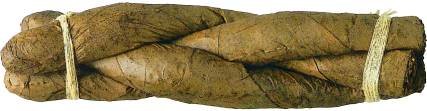
The Culebras first appeared on the market before 1960, at a time when Cuban factories were experimenting with vitolas that broke from conventional parejos. Its name, Spanish for “snakes,” directly references the twisted, braided form that distinguished each stick. Early production was modest, yet the format quickly garnered a niche following for its visual intrigue and the way the braided filler created a subtle, even burn. By the mid‑1980s, the cigar had become increasingly hard to locate in retail outlets, prompting rumors of limited runs and imminent discontinuation.
Design and Production
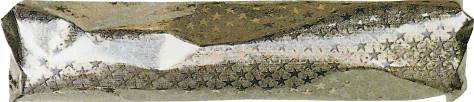
Unlike many premium hand‑made cigars, the Culebras were crafted using machine‑made techniques, making them more accessible while still delivering the characteristic Romeo y Julieta flavor profile. Each cigar was encased in a thin layer of silver‑starred foil paper, a design choice that not only preserved moisture but also gave the product an eye‑catching gleam on the shelf. The cigars were bundled in elegant dress‑style boxes that held 25 units, and each individual piece was further protected by an aluminum foil envelope to lock in freshness. This combination of protective packaging and distinctive presentation helped the Culebras stand out among other Cuban releases of its era.
Construction Highlights
- Vitola: Culebras
- Factory designation: Culebras
- Ring gauge: 39
- Length: 146 mm (5 ¾ inches)
- Weight: 6.67 g
- Production method: Machine‑made
- Wrapper: Silver‑star paper foil
- Packaging: Dress box of 25 cigars, each sealed in aluminium foil
Technical Details
The technical blueprint of the Culebras reflects a balance between practicality and brand identity. With a slender 39‑ring gauge and a modest length, the cigar offered a quick, flavorful smoke that highlighted the house’s signature blend of aged Cuban tobaccos. The machine‑made construction ensured consistency across batches, while the braided filler contributed to a smooth draw and an even burn. The inclusion of a silver‑star foil wrapper not only added visual flair but also acted as an additional barrier against humidity fluctuations—a crucial factor for cigars shipped worldwide.
Collectibility and Legacy
When Habanos S.A. officially pulled the Culebras from its catalog in 2002, the move marked the end of a four‑decade chapter for this unusual vitola. Since the mid‑1980s, the cigar had become a scarcity, fueling its reputation among collectors. Today, surviving boxes are prized possessions in humidors, often displayed as much for their aesthetic intrigue as for the taste experience they once offered. The Culebras remains a testament to Romeo y Julieta’s willingness to innovate within the constraints of mass production, and its story continues to intrigue both seasoned aficionados and newcomers eager to explore the lesser‑known corners of Cuban cigar heritage.