In the ever-shifting landscape of premium Cuban tobacco, few things are as bittersweet as the discontinuation of a true classic. The Romeo y Julieta Coronas was once a steadfast fixture in the humidors of serious aficionados, representing a tangible link to a bygone era of cigar manufacturing. While the brand itself remains a global giant synonymous with quality, the departure of this specific vitola left a void for those who appreciated its historical significance and traditional dimensions. Born in the pre-revolutionary era, this cigar was more than just a smoke; it was a survivor that bridged the gap between the old world and the new before ultimately bowing out of production.

A Historic Timeline of Production
The lineage of the Coronas is steeped in history, tracing its roots back to the vibrant Cuban cigar scene prior to 1960. It was not a modern invention designed to capture a fleeting trend, but rather a heritage offering that stood the test of time. For decades, it held the status of a regular production item, a workhorse in the brand's prestigious portfolio. This categorization placed it among the brand's most enduring lines, serving enthusiasts faithfully throughout the turbulent decades of the twentieth century. However, all good things must eventually come to an end. The long journey of the Coronas concluded in 2012, when production officially ceased. The discontinuation of the standard dress box of 25 cigars that year served as the final signal that this iconic vitola had reached the conclusion of its distinguished run.
Dimensions and Construction
For the educated smoker, the term "Coronas" implies a specific set of expectations regarding size, balance, and smoking duration. This particular release adhered strictly to those traditional parameters, embodying the very definition of its namesake vitola. It measured 142 mm (or 5⅝ inches) in length, providing a satisfying duration for a medium-length smoke. The ring gauge was set at 42, a slender dimension by modern standards, yet one that many purists argue offers the perfect ratio between the wrapper and the filler tobaccos. Weighing in at an official 9.29 grams, every example was a product of skilled hand-rolling. This artisanal construction was essential to the cigar's reputation, ensuring that the draw and combustion lived up to the rigorous standards expected of the Romeo y Julieta name.
Visual Identity and Packaging Options
Aesthetics played a key role in the presentation of this historic stick. It was adorned with the standard branding elements associated with the marque, specifically utilizing both Band A and Band D. This visual signature helped distinguish it within the crowded Cuban landscape, signaling its authenticity and heritage. Throughout its production lifespan, the Coronas was made available in a diverse array of packaging configurations, catering to both casual buyers and serious collectors. Enthusiasts could purchase the cigar in the following formats:
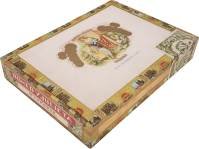
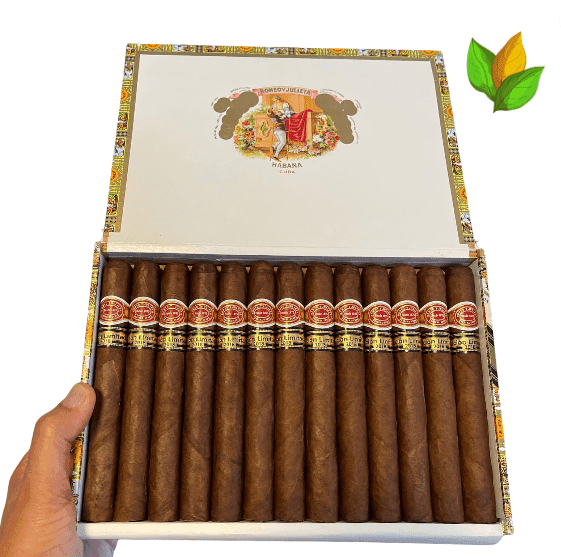
- Standard dress boxes containing 25 cigars.
- Smaller dress boxes containing 10 cigars.
- Classic slide lid boxes containing 25 cigars.
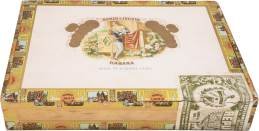
- Dress boxes of 25 cigars featuring cellophane wrapping for protection.
- Large slide lid boxes containing 50 cigars.
Additionally, avid collectors should keep an eye out for the Romeo y Julieta Coronas Las Tres Julietas Selection, a specialized release within this same family that remains a unique point of interest for those building a comprehensive collection.
The Legacy of a Discontinued Icon
The disappearance of the Coronas from production lists is a reminder of the shifting tides in the global cigar industry. As consumer preferences evolve toward larger ring gauges and manufacturers adjust their portfolios, even heritage cigars can find themselves on the cutting room floor. The fact that this vitola survived the transition from the pre-1960 era to the modern age makes its 2012 demise all the more poignant. Today, boxes that once sat on retailer shelves have become collectibles, hunted by those wishing to taste a piece of history. For those lucky enough to possess a well-preserved box, the Coronas offers not just a smoking experience, but a direct connection to the rich, decades-long narrative of Cuban cigar manufacturing.