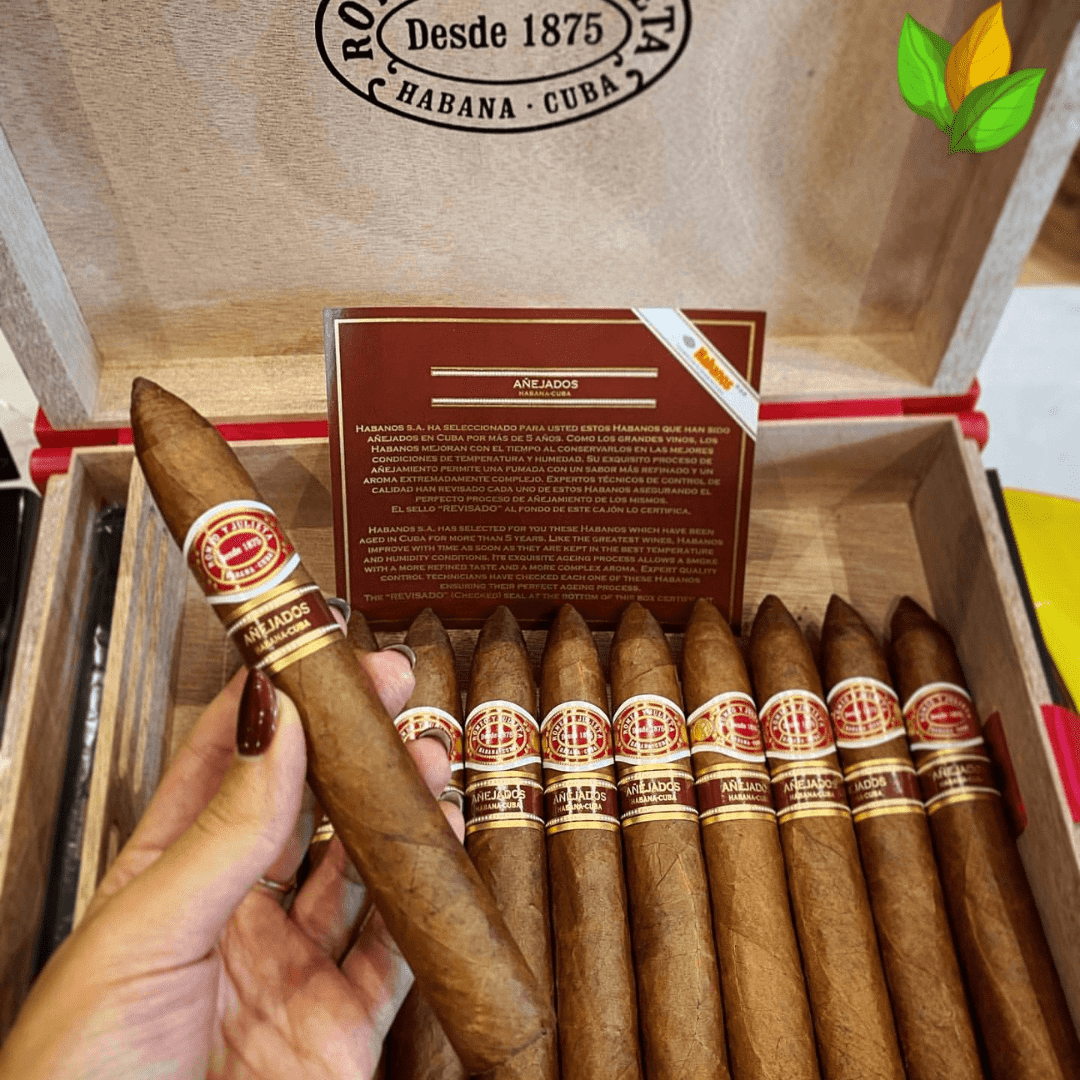
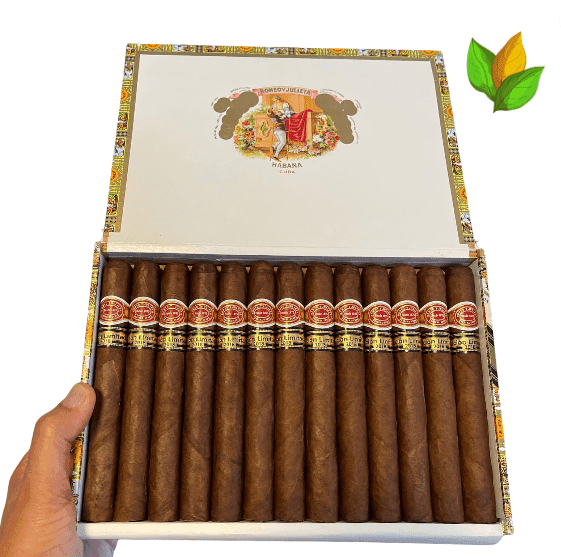
Few names in the world of premium cigars carry the historical weight and devoted following of Romeo y Julieta. This legendary Cuban brand has captivated smokers and collectors for generations, not merely through the exceptional quality of its tobacco blends, but also through the visual storytelling evident in its packaging and band designs. Each iteration of the Romeo y Julieta band represents a chapter in the brand's evolution, reflecting both the artistic sensibilities of its era and the practical considerations of cigar production.
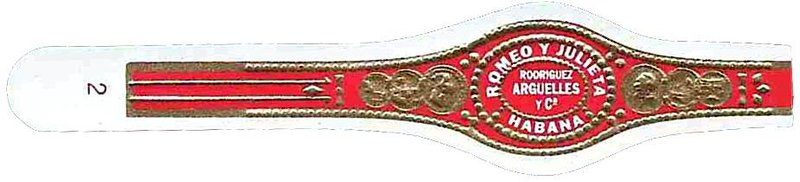

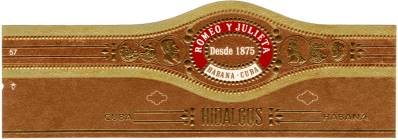













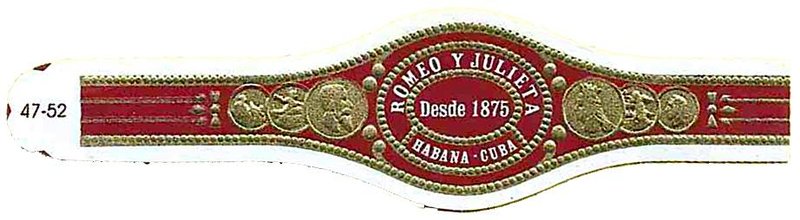
The Vintage Era: Early Bands and Pre-Revolutionary Heritage
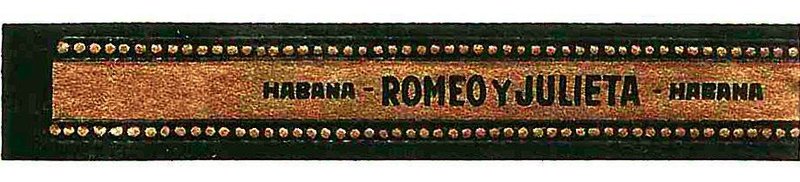
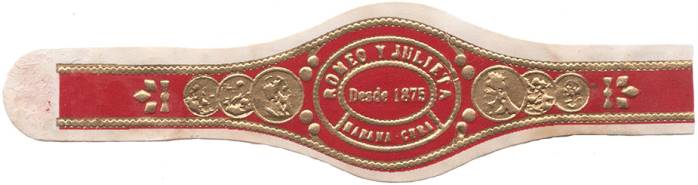
Before the tumultuous changes that reshaped Cuba in the late 1950s, Romeo y Julieta had already established itself as a premier name in Cuban cigar manufacturing. The earliest documented band style for Romeo y Julieta emerged well before the 1960s, marking the pre-revolutionary period when the island's tobacco industry operated under vastly different conditions. These vintage bands, characterized by their embossed designs and classic typography, represent the foundation of the brand's visual identity.
Collecting cigars from this era has become a pursuit of passion for enthusiasts who appreciate not only the historical significance but also the superior construction techniques employed during that period. The early bands from pre-1960 through approximately the 1970s feature distinctive characteristics that set them apart from later productions, making authentication a fascinating aspect of the hobby.
Modern Production: Standard Band Iterations
Throughout the late twentieth and early twenty-first centuries, Romeo y Julieta's standard production bands underwent significant transformations. As the brand expanded its global reach and modernized its operations, the bands adorning these premium smokes evolved to meet new demands while retaining essential brand elements.
The Classic Embossed Era (1970s–2008)
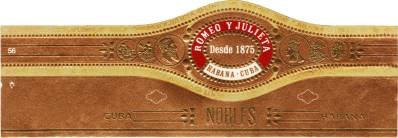
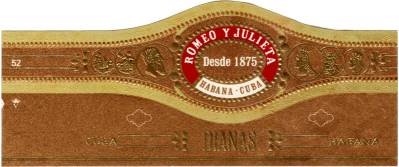
For nearly four decades, Romeo y Julieta relied on an embossed band design that became instantly recognizable to enthusiasts worldwide. This iconic band served as the brand's primary visual identifier from approximately the 1970s through 2008, representing the longest-used design in the brand's modern history. The textured, raised lettering and intricate border details reflected the era's preference for ornate presentation in luxury goods.
Specialized Selections: Cedros de Luxe and Premium Variants
Alongside the standard production bands, Romeo y Julieta introduced specialized variants to distinguish premium offerings within their portfolio. One notable example featured the "Cedros de Luxe" designation, an embossed band that appeared on select vitolas from roughly 2002 until 2008. This variant allowed smokers to identify higher-tier selections within the brand's portfolio while maintaining the visual coherence of the overall Romeo y Julieta identity.
The Contemporary Period: Design Refinement
The mid-2000s brought significant changes to Romeo y Julieta's visual presentation. Around 2007, the brand introduced a new embossed design that continues to appear on standard production cigars today. This contemporary band represents the longest-running modern iteration, demonstrating the brand's commitment to balancing tradition with contemporary aesthetics. Additionally, brief appearances of simplified gold-text designs in 2005 and 2008 during special releases and limited production runs showed the brand's willingness to experiment with alternative visual treatments.
Collector's Corner: Special Releases and Limited Editions
Beyond standard production, Romeo y Julieta has consistently released commemorative bands celebrating anniversaries and special occasions. These limited-edition designs often become as coveted as the cigars themselves, with collectors seeking complete sets of special release bands to complete their assemblages. The brand's anniversary releases and exclusive vitolas feature distinctive band treatments that reflect the significance of each occasion.
The secondary market for these special bands has grown substantially as more collectors recognize their historical importance. Whether commemorating a milestone anniversary or marking the introduction of a new vitola size, these bands represent moments frozen in time within the broader narrative of Romeo y Julieta's distinguished history.