In the ephemeral world of premium tobacco, few things remain constant. Trends shift, factories modernize, and specific sizes are often retired to make way for new preferences. Among the most notable of these departed classics is the Rafael González Petit Lonsdales, a cigar that once stood as a pillar of the brand's portfolio. Known internally by its factory designation, the Marevas, this vitola offers modern enthusiasts a glimpse into the standards of a bygone era. Though it has been absent from shelves for decades, its legacy persists among collectors who value the distinct history wrapped inside each handmade bundle.

A Timeline of Production and Retirement
The story of the Petit Lonsdales stretches back to a vibrant period in Cuban history, originating prior to the pivotal year of 1960. This launch date places the cigar firmly within the "pre-revolutionary" or early "post-revolutionary" transition period, granting it a sense of historical weight that few modern releases can claim. For roughly twenty years, this specific format maintained a steady presence in the global market, surviving the upheavals of the 1960s and finding an audience throughout the 1970s.
However, the 1980s signaled the end of the road for this particular offering. As the global cigar market began to evolve, Habanos began to rationalize their extensive portfolios. The decision was made to discontinue the Marevas under the Rafael González label, removing it from regular production. While the format itself is not extinct—other brands utilize similar dimensions—the specific iteration crafted by Rafael González became a relic of history, transitioning from a retail staple to a sought-after collector's item.
Technical Specifications and Construction
To truly appreciate the Petit Lonsdales, one must examine the technical architecture that defined the smoking experience. The cigar was built to classic Cuban standards, favoring elegance and tradition over the bulky formats popular in the contemporary market.
- Factory Name: Marevas
- Dimensions: Length of 129 mm (5⅛ inches) with a 42 ring gauge.
- Weight: Official weight recorded at 8.46 grams.
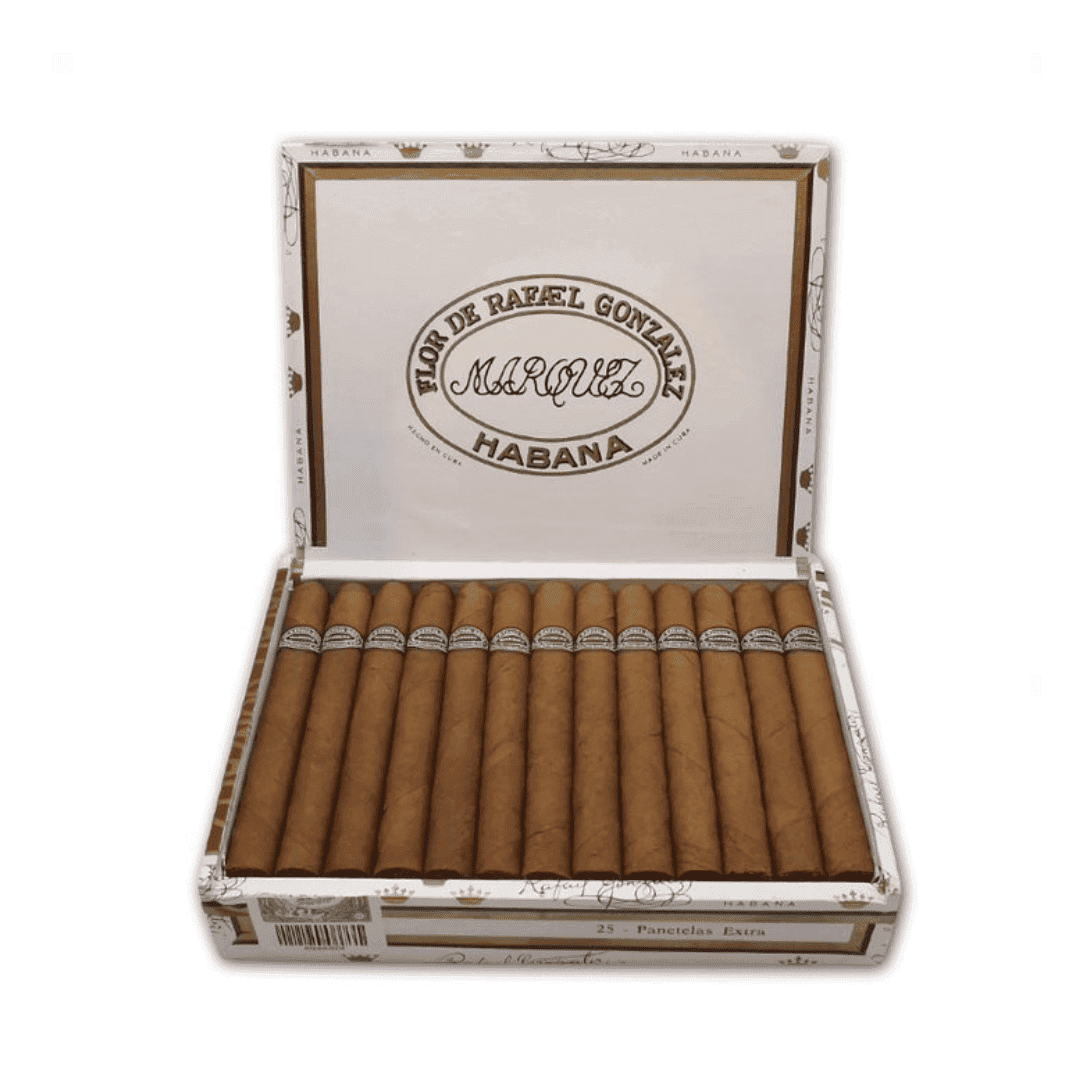
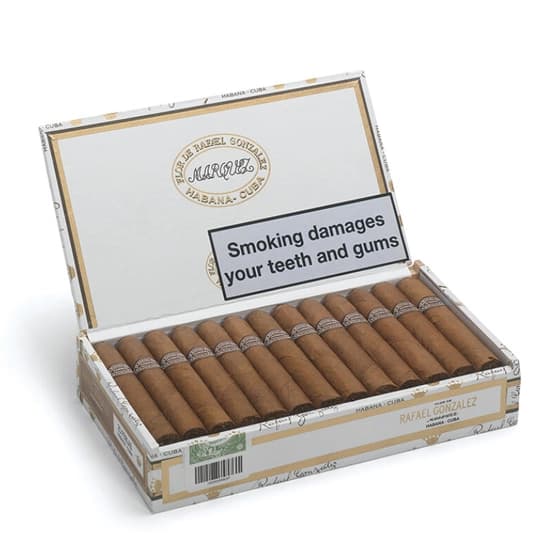
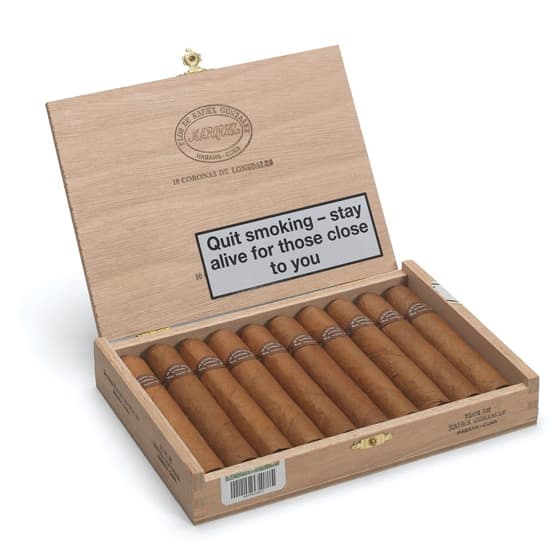
- Presentation: Packaged in dress boxes of 25 units.
- Band: Featured the standard "Band A" design associated with the brand.
These dimensions create a smoking profile that is distinctly "classic." The 42 ring gauge is considerably thinner than the robust 50+ ring gauges favored today, necessitating a different approach from the roller. The handmade construction had to be impeccable; a tight draw in such a slender cigar would ruin the experience. Presented in the traditional dress box of 25, the visual presentation was one of understated luxury, allowing the quality of the wrapper leaf to take center stage.
The Character of the Marevas Format
In the lexicon of Cuban cigar formats, the Marevas name carries specific expectations regarding burn time and flavor delivery. At just over five inches, this cigar was designed for a moderate session—substantial enough to allow for the development of complex flavor notes, yet short enough to remain approachable for the smoker with limited time. It represents a "sweet spot" in Cuban engineering: a balance between the robustness of a corona and the delicacy of a panatela.
The Rafael González brand has historically been associated with a lighter, more floral flavor profile, often described as having a distinctive grassy or herbal quality. The Petit Lonsdales would have served as an excellent canvas for this tobacco, with the 42 ring gauge ensuring a concentrated draw that highlights the nuances of the wrapper leaf. Unlike thicker cigars which can mute the wrapper's contribution, this format forces a harmony between binder, filler, and wrapper, resulting in a nuanced smoking experience that modern "gordo" sizes often struggle to replicate.
Legacy in the Modern Era
The discontinuation of the Rafael González Marevas in the 1980s serves as a marker for the shifting tides of the industry. The departure of this vitola reflects a period where Cuban exporters streamlined their offerings, often cutting smaller gauge cigars in favor of international blends that suited emerging markets. Today, finding an original box of these cigars is a rare treat, offering a taste of a production philosophy that prioritized tradition over trend. While the brand continues today with other sizes, the Petit Lonsdales remains a ghost of the golden age of Cuban tobacco, a reminder of the elegance found in restraint.