In the rarefied air of Cuban cigar collecting, few subjects ignite as much intrigue as a discontinued vitola. Among the many marques that have defined the island's tobacco legacy, Rafael González holds a unique position, often flying under the radar of the more mainstream brands while commanding immense respect for quality. Within their portfolio, one specific release stands as a historical anomaly: the Coronas Lonsdales. This cigar, long vanished from regular production, represents a fleeting moment in time, offering a glimpse into the transitional era of Cuba's tobacco industry before it settled into its modern configuration.

A Short-Lived Legacy: Origins and Timeline
The story of the Rafael González Coronas Lonsdales is defined not by its longevity, but by its relatively brief window of existence. Records indicate that this particular vitola was introduced to the market sometime before 1960, firmly rooting its genesis in the pre-revolutionary landscape. This was a golden age for Cuban tobacco, yet the political and social upheavals that followed would dramatically reshape the industry.
Unlike the flagship cigars that survived the nationalization of the industry and remained in catalogs for decades, the Coronas Lonsdales had a limited run. It remained available throughout the turbulent 1960s, serving smokers during a pivotal shift in production standards and ownership. However, by the 1970s, the cigar was retired from regular production. With a lifespan of roughly one or two decades, surviving examples are now viewed as artifacts from a transformative period, bridging the gap between the old world of Cuban cigars and the state-run modern era.
Technical Profile and Vitola Characteristics
For the modern enthusiast accustomed to robust ring gauges, the Coronas Lonsdales offers a lesson in classic elegance. The cigar is a study in traditional proportions, adhering to the dimensions that defined the Lonsdale category—a format named historically after the Earl of Lonsdale. The specifications reveal a stick designed for balance and refinement rather than brute strength.
- Dimensions: Measuring 127 mm (approximately 5 inches) in length with a ring gauge of 44.
- Weight: The official weight comes in at 8.86 grams.
- Construction: Entirely handmade, adhering to the artisanal standards Rafael González was known for.
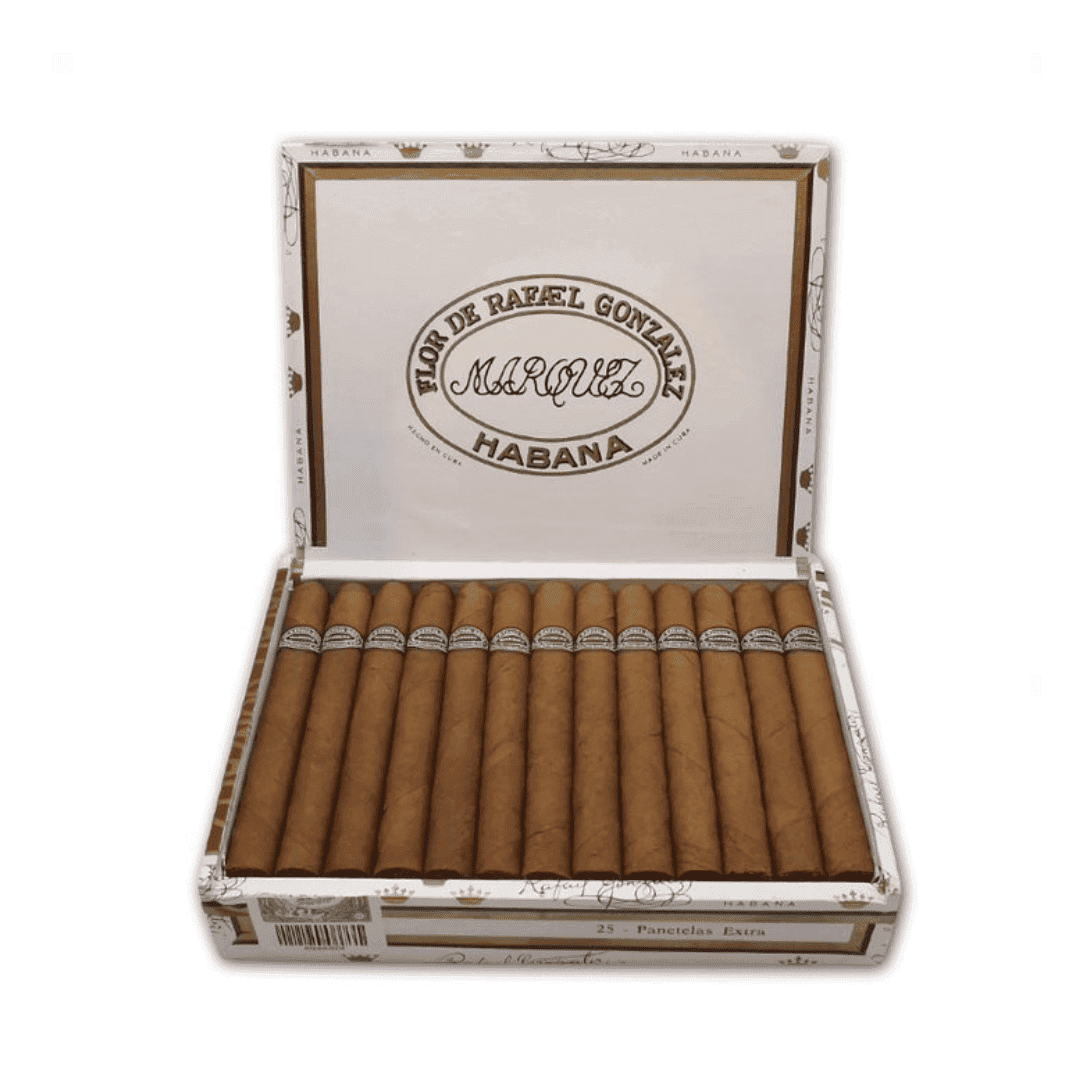
- Presentation: The cigars were sold in dress boxes of 25, adorned with the brand's standard "Band A" design.
The 44 ring gauge provides just enough surface area for the wrapper leaf to influence the flavor profile, while the 5-inch length ensures a smoking experience that is substantial yet manageable. This format was historically prized for its ability to deliver complexity without requiring a massive time commitment from the smoker.
The Millennium Resurrection
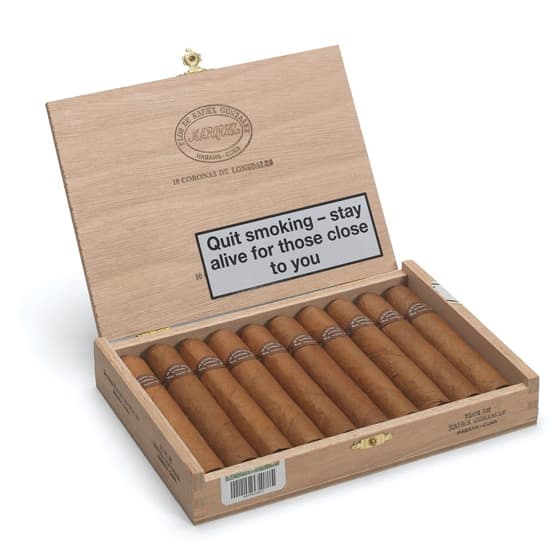
While the original regular production line was halted decades ago, the name "Coronas Lonsdales" was not consigned to oblivion forever. The vitola name enjoyed a significant, albeit limited, revival with the turn of the millennium. The Rafael González brand selected this specific name for a prestigious special edition release: the Siglo XXI Millennium Humidor.
This limited edition project was launched to commemorate the year 2000, serving as a tribute to the brand's heritage. By reviving the Coronas Lonsdales name for this high-profile humidor, Habanos S.A. acknowledged the historical weight the vitola carried within the marque's lineage. It signaled to collectors that while the regular production cigar was gone, its spirit remained integral to the identity of Rafael González.
Collecting the Discontinued
For the modern hunter of vintage tobacco, the Rafael González Coronas Lonsdales presents a specific challenge. Because production ceased in the 1970s, finding an original dress box is a rare occurrence. The value of these cigars lies in their status as a bridge between eras. They offer a taste profile that is increasingly difficult to replicate, born from tobacco stocks and agricultural practices that have evolved significantly over the last half-century.
Collectors prize these sticks for their handmade construction and the classic "Band A" presentation, which differs from some of the more modern band iterations found on current releases. As a discontinued regular production item, it serves as a benchmark for the brand’s historical output—a testament to a time when Rafael González offered a broader, more varied catalog to the discerning smoker.