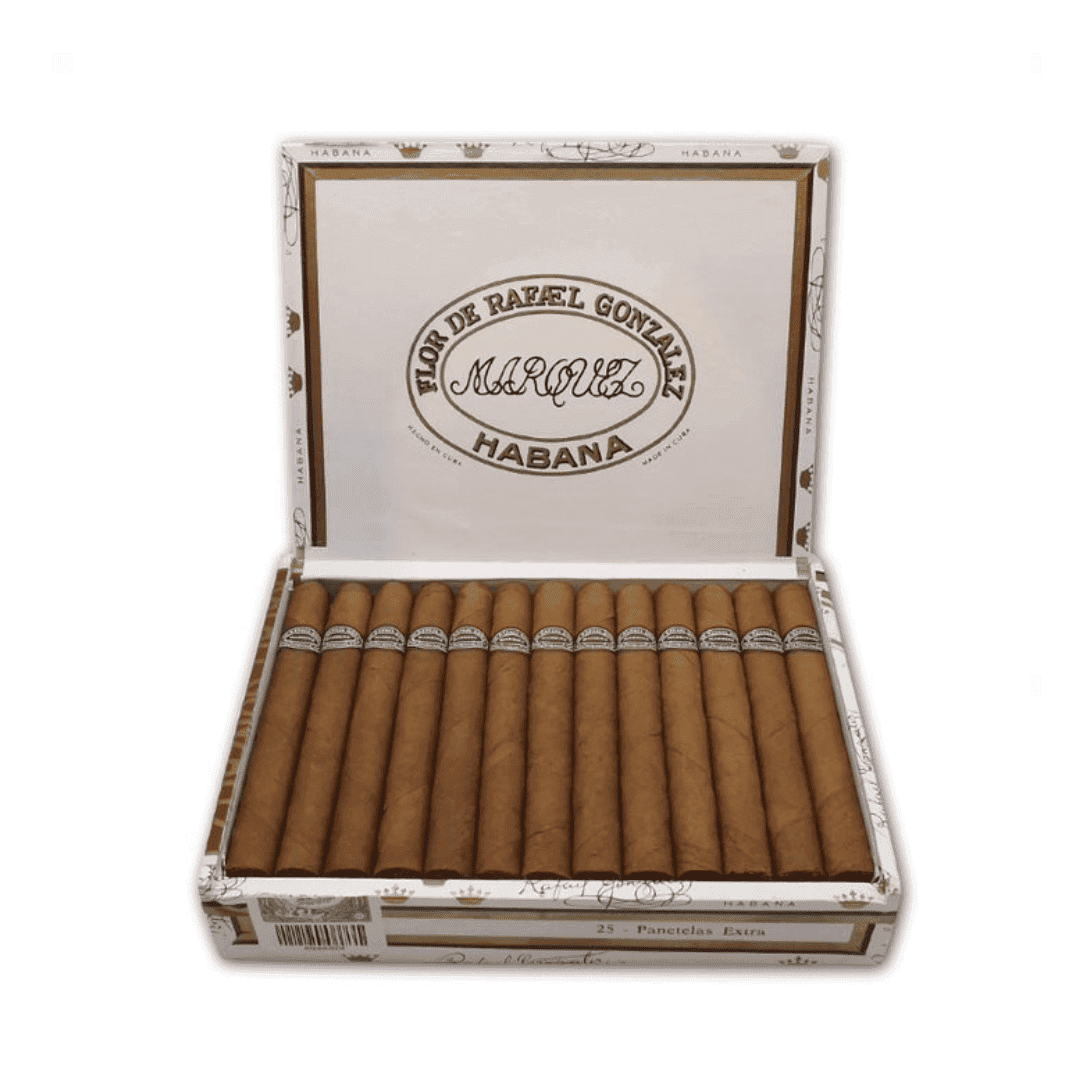
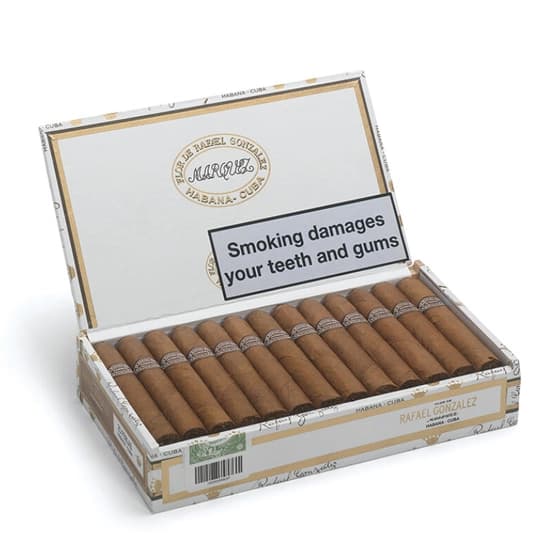
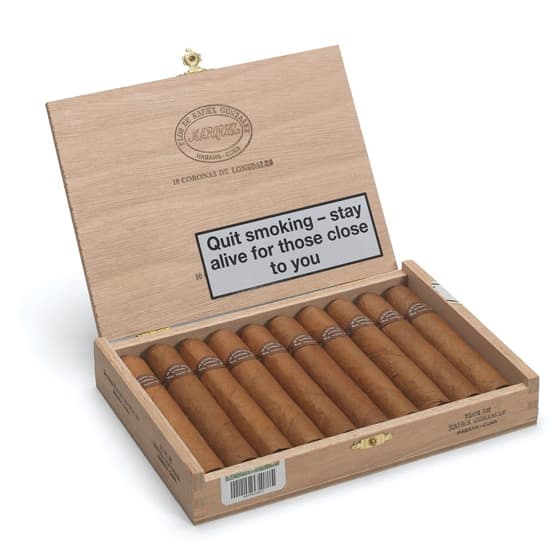
For dedicated collectors of premium Cuban tobacco products, understanding the subtle changes in band design across different production eras can make the difference between a valuable find and a missed opportunity. The Rafael González marca represents one of the most storied names in Habanos portfolio, and its packaging evolution tells a fascinating story of shifting tastes, manufacturing advances, and the enduring appeal of classic Cuban craftsmanship. By examining how these bands have transformed over decades, enthusiasts gain practical tools for authentication while deepening their appreciation for the brand's rich heritage.
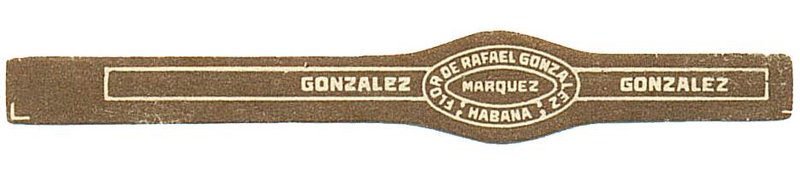

The Significance of Band Identification
When examining vintage Cuban cigars, the wrapper band serves as more than decorative packaging—it functions as a historical document frozen in time. Each iteration of the Rafael González band reflects the design philosophy and technical capabilities of its era, making these small strips of paper invaluable for establishing provenance and authenticity. Serious collectors learn to recognize these variations because they provide concrete evidence about when a cigar was produced, which helps verify the contents of aging humidors and ensures that vintage acquisitions are genuine rather than clever reproductions. The ability to date a box or single cigar based on its band design represents an essential skill that separates casual smokers from committed aficionados who understand that details matter enormously in this specialized collecting field.
Standard Band A: Four Decades of Understated Design
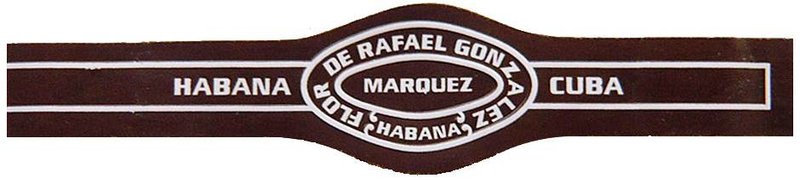
The first major standard band configuration served Rafael González cigars for approximately forty years, spanning from the late 1970s through the first decade of the twenty-first century. This design embodied the restrained aesthetic that characterized much of Cuba's late-twentieth-century packaging approach—clean lines, minimal ornamentation, and an overall presentation that prioritized elegance through simplicity. Unlike later iterations, this band featured no embossed elements, instead relying on printed graphics and color schemes to convey the brand's identity. The absence of tactile enhancements actually makes this version particularly distinctive once you know what to look for, as the printing quality and color palette differ noticeably from both earlier and later productions. Collectors treasure examples from this era because they represent a long-serving design that defined the brand's visual presence during a formative period in modern Cuban cigar production.
Standard Band B: A Premium Evolution
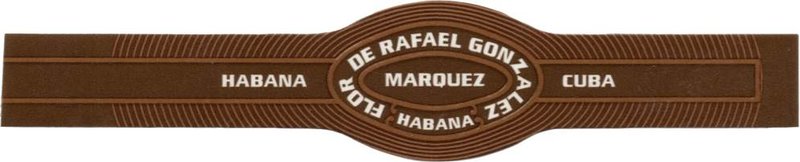
Around 2010, Rafael González introduced a refreshed band design that marked a deliberate departure from the understated approach of previous generations. This second standard band incorporated several notable changes that signaled the brand's intention to project a more luxurious image. The most immediately apparent modification involved the color scheme, which shifted toward deeper, richer tones that conveyed greater sophistication. Additionally, the new design featured the words "Habana Cuba" positioned along the band edges, creating visual interest while emphasizing the Cuban origin that discriminating smokers value. Perhaps most significantly, this iteration introduced embossed detailing that added three-dimensional texture to the packaging, giving the band a premium feel that distinguished it from flatter predecessors. After twelve years of service, this design was retired in 2022, making examples from this period increasingly interesting to collectors who appreciate transitional pieces in a brand's visual history.
The Current Era: Standard Band C
The most recent standard band made its debut in 2022, representing Rafael González's contemporary vision for the brand's packaging identity. This current design continues to evolve while maintaining connections to the heritage established by earlier iterations. Collectors examining these modern bands will notice design choices that balance tradition with current market expectations for luxury tobacco products. As this is the configuration currently adorning cigars fresh from Cuban factories, understanding its characteristics helps enthusiasts distinguish between vintage stock and newly released productions. The transition to this latest design demonstrates how brands must continually refresh their visual presentation while honoring the legacy that makes historical iterations so compelling to collectors worldwide.
Earlier Predecessors: The Classic Period
Before the modern standard bands emerged, an earlier variant circulated during the mid-1960s through the 1970s, predating what would eventually become Standard Band A. This classic iteration shared the no-embossment characteristic of its successor but featured distinct printing approaches and color formulations that reflect the production techniques preferred during that earlier era. For collectors specializing in pre-revolution and early post-revolution Cuban cigars, this early band represents a fascinating piece of tobacco history. The simpler manufacturing methods of the period resulted in bands that feel authentically vintage to the trained eye, and examples in good condition command attention in collector circles where provenance and period-accurate details determine value.
Understanding these band variations provides both practical authentication benefits and deeper appreciation for how Cuban cigar brands evolve while maintaining their essential character. Whether you are building a collection focused on a single marca or assembling a comprehensive survey of Habanos history, recognizing these design phases transforms each cigar from a smoking opportunity into a tangible connection with manufacturing traditions spanning generations.