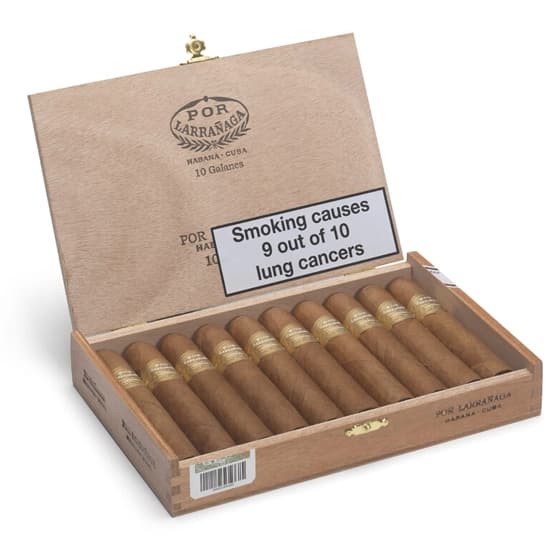
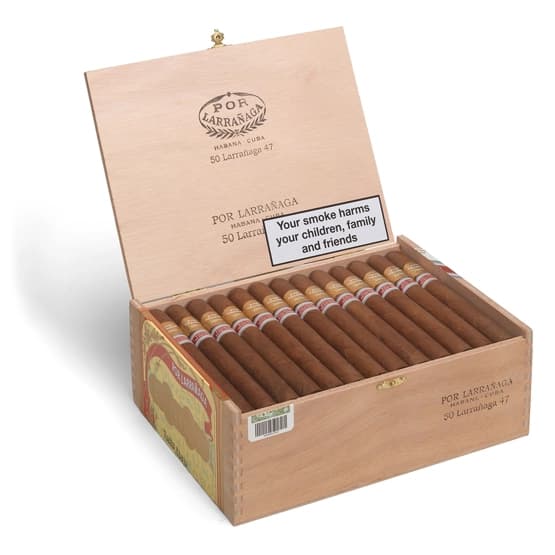
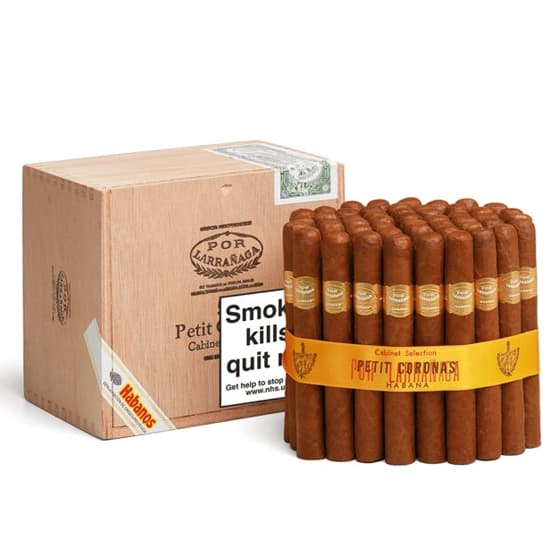
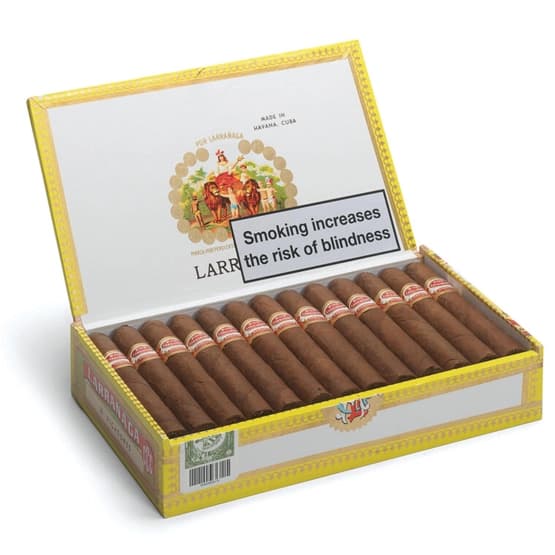
Among the constellation of Cuban cigar brands that have shaped tobacco history, Por Larrañaga holds a distinguished position as one of the island's most venerable names. Within its extensive catalog of vitolas produced over more than a century, the Por Larrañaga No.10 Corona stands out as a fascinating artifact of mid-20th century cigar manufacturing. This machine-made corona, now discontinued and increasingly scarce, offers collectors and historians alike a window into an era when Cuban cigar factories were rapidly evolving their production methods to meet changing market demands. The No.10 represents more than just a smokeable collectible; it embodies the transition between artisanal traditions and industrial-scale manufacturing that characterized Cuban tobacco production during one of its most turbulent periods.

A Heritage Brand in Changing Times
Por Larrañaga established itself as one of Cuba's oldest and most respected cigar houses long before the political upheavals of the 1950s and 1960s. The brand's reputation was built on consistent quality and a diverse portfolio of shapes and sizes that appealed to smokers across different preferences and budgets. As Cuba entered a period of profound transformation, Por Larrañaga continued operating within the island's state-controlled tobacco industry, maintaining its production of established vitolas while adapting to new economic realities and manufacturing philosophies.
The No.10 Corona was introduced during the final years before the Cuban Revolution, making it a product of the pre-revolutionary era when Cuban cigar factories operated under private ownership and competed freely in international markets. After 1959, the industry underwent nationalization, consolidating many smaller brands under government supervision while streamlining production to focus on the most commercially viable offerings. The No.10 managed to survive these transitions, remaining part of Por Larrañaga's regular production schedule through the early post-revolutionary years before eventually being phased out during the 1970s.
Design and Construction Details
The Por Larrañaga No.10 exemplifies the corona format that has long been considered the quintessential Cuban cigar shape. Measuring 125 millimeters in length with a 42 ring gauge, this vitola offers approximately four and seven-eighths inches of smoking pleasure, positioning it squarely within the corona classification that has dominated Cuban cigar offerings for generations. The proportions strike a balance that was popular among everyday smokers, providing a substantial smoking duration suitable for a leisurely break without requiring an extended time commitment.
Weighing in at 7.54 grams officially, the No.10 featured machine-made construction that represented a significant shift in Cuban cigar production philosophy. Rather than relying solely on the meticulous hand-rolling techniques that had established Cuban cigars' legendary reputation, machine production allowed factories to increase output while maintaining more uniform construction across larger quantities. This approach made cigars more widely accessible to consumers while still benefiting from Cuban tobacco expertise and the distinct terroir of Vuelta Abajo leaves.
Packaging and Presentation
The No.10 was packaged in dress boxes containing 25 cigars, a standard configuration that facilitated both retail display and consumer convenience. Each cigar featured the brand's Standard band A, visually connecting the No.10 to other expressions within the Por Larrañaga lineup and maintaining brand recognition among consumers. The wrapper coloration was characteristically brown, suggesting the medium-bodied strength profile that would have delivered a balanced smoking experience appropriate for both novice and experienced cigar enthusiasts.
The Collector's Perspective
Today, the Por Larrañaga No.10 exists primarily in the collections of Cuban cigar enthusiasts who recognize its historical significance and rarity. The combination of its machine-made construction and limited production window spanning from the pre-revolutionary era through the early 1970s means that surviving specimens have become increasingly difficult to locate in good condition. Age-related degradation, improper storage, and the simple passage of time have taken their toll on whatever supply once existed.
For collectors specializing in Cuban vitolas from the transitional period, the No.10 offers an accessible entry point into this collecting category. While not commanding the premiums of discontinued hand-made rarities, it provides a tangible connection to an overlooked segment of Cuban cigar history. The No.10 serves as a reminder that Cuban cigar production was never monolithic, encompassing a diverse range of manufacturing approaches and product tiers designed to serve different market segments. Understanding this diversity enriches one's appreciation for the complexity of Cuba's tobacco heritage and the economic forces that shaped which cigars survived and which faded into obscurity.