Few names in the annals of Cuban tobacco evoke as much reverence as Por Larrañaga, a marque that has been shaping the cigar landscape since the early nineteenth century. Among its diverse portfolio of sizes and shapes, one petit corona held a special place in the hearts of value-conscious smokers: the Panetelas (1). This unassuming vitola, produced entirely by mechanical means, bridged the gap between accessible enjoyment and authentic Cuban tradition for more than forty years. Though now discontinued, it remains a sought-after piece for collectors who appreciate its role in the island's storied cigar heritage.

Origins in Cuba's Golden Era
The Panetelas (1) debuted during a remarkable period for Cuban cigar manufacturing—before the revolution transformed the industry's structure. Its arrival placed it squarely within the golden age of Cuban tobacco production, when the island supplied premium cigars to eager markets across Europe and North America. The timing proved fortuitous, as the format quickly established itself among the classic Cuban sizes that defined mid-century smoking culture.
What distinguished this particular Panetela was its accessibility. Unlike the handcrafted masterpieces that commanded premium prices, this machine-made offering allowed newcomers to experience genuine Cuban tobacco without the associated expense. The brand's prestigious reputation, built upon nearly 130 years of quality manufacturing, lent credibility to an entry-level product that never sacrificed authenticity.
Technical Profile and Construction
Manufactured under the factory designation Vegueritos Mano, the Panetelas (1) presented a slender profile suited to shorter smoking sessions. The vitola measured 127 millimeters in length—approximately five inches—with a modest ring gauge of 37. Each cigar weighed in at 6.10 grams, positioning it among the lighter, more delicate formats within the Por Larrañaga lineup.
The machine-production method guaranteed uniformity across each production run. Cigarettes rolled by automated equipment exhibit consistent draw characteristics and combustion properties, advantages that translated directly to the Panetelas (1). The standard Por Larrañaga emblem adorned each specimen, linking these modest smokes visually to their more prestigious handmade siblings. Construction quality remained dependable throughout the production run, a testament to the quality control standards maintained at Cuban factories.
Packaging and Presentation
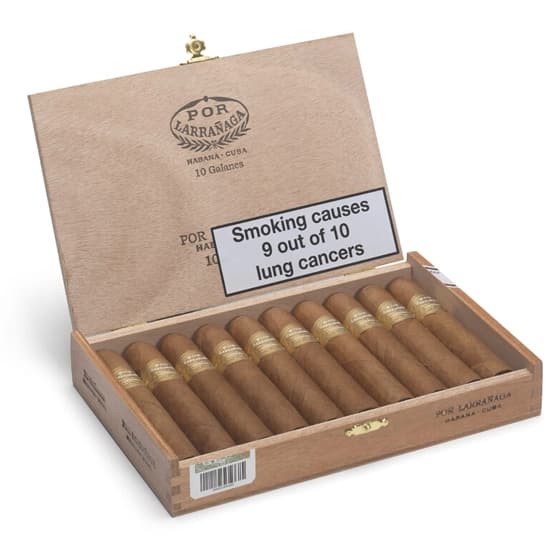
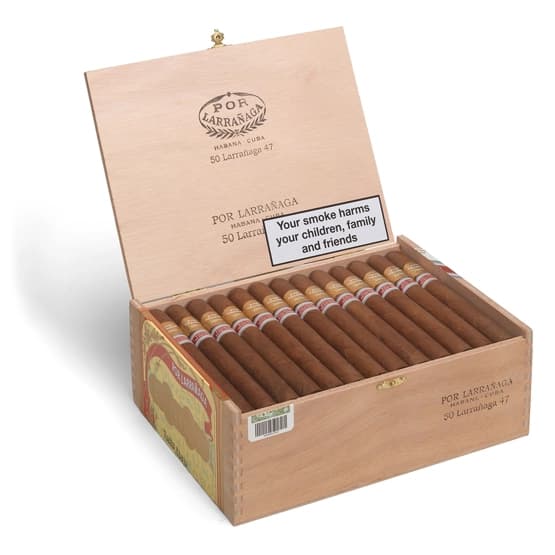
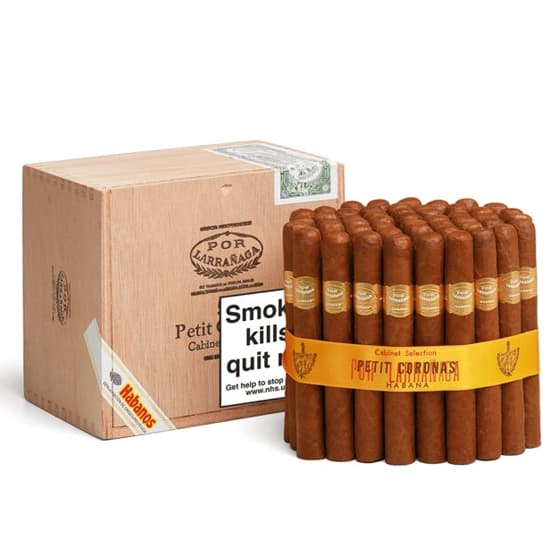
Throughout its lengthy market presence, the Panetelas (1) appeared in several packaging configurations designed to suit varying preferences and distribution channels. The traditional cabinet format, known as a cajón, contained 100 cigars and provided an economical option for retailers and dedicated enthusiasts. This larger presentation was phased out before the turn of the millennium, reflecting shifting market demands toward smaller, more convenient quantities.
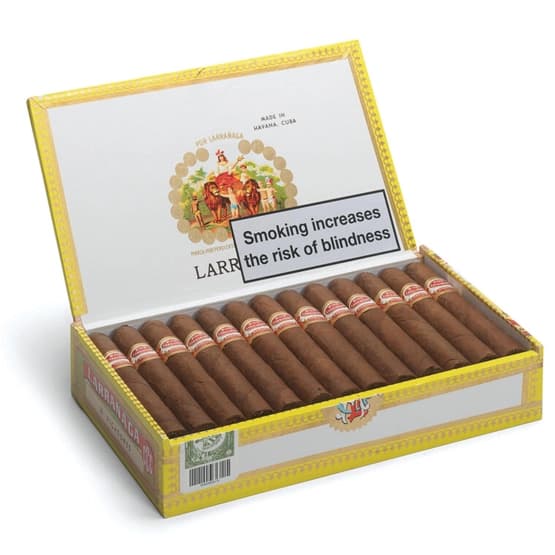
The dress box containing 25 cigars served as the primary retail format for most of the Panetelas (1)'s commercial life. This configuration offered an ideal balance between freshness preservation and affordability. For customers seeking additional protection during storage or transport, a cellophane-wrapped variant of the 25-cigar dress box became available, shielding the contents from humidity fluctuations and physical handling.
Legacy and Modern Relevance
The discontinuation of the Panetelas (1) around 2002 signaled a broader industry transition toward premium handcrafted cigars. In response to evolving consumer expectations, Habanos S.A. introduced the Panetelas (2)—a handmade interpretation that continues the series under artisanal production methods. This replacement demonstrated how traditional vitola names could survive the shift toward craftsmanship while delivering enhanced complexity and character through skilled torcedor work.
For contemporary collectors, acquiring sealed boxes of the original machine-made version has become increasingly challenging and rewarding. Specimens retained in their original dress boxes command attention among enthusiasts assembling comprehensive Por Larrañaga collections. The Panetelas (1) occupies a unique historical position—simultaneously a product of industrial modernization and a link to an earlier era when machine-made cigars represented legitimate options within Cuba's prestigious portfolio.