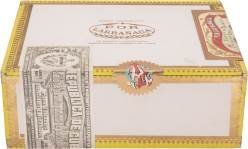
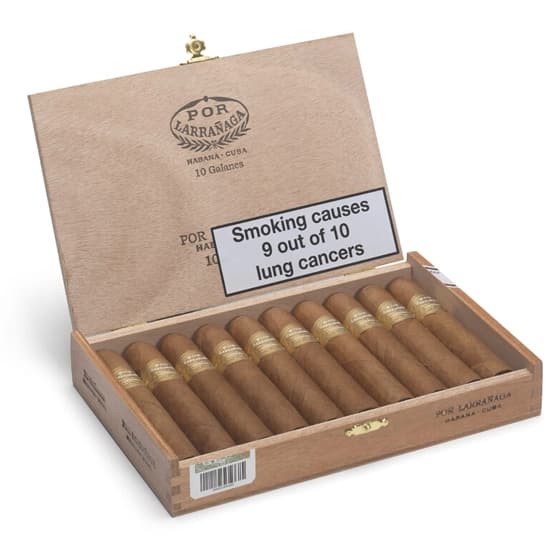
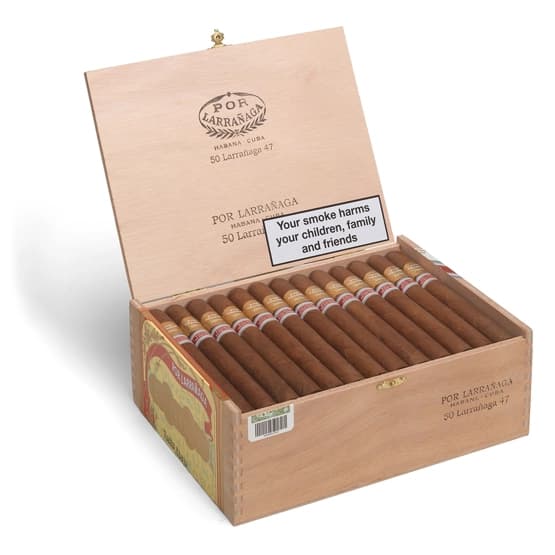
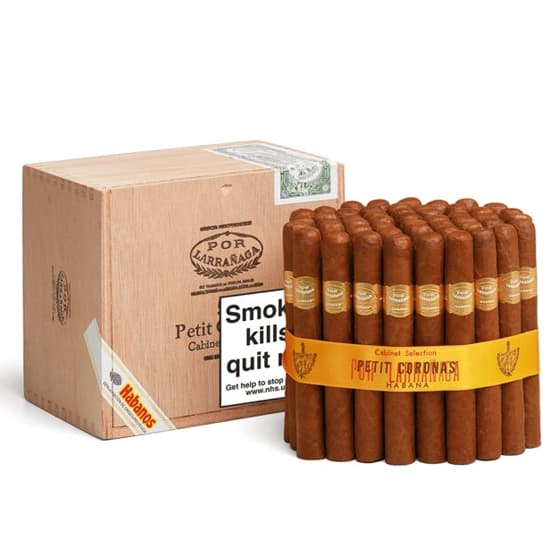
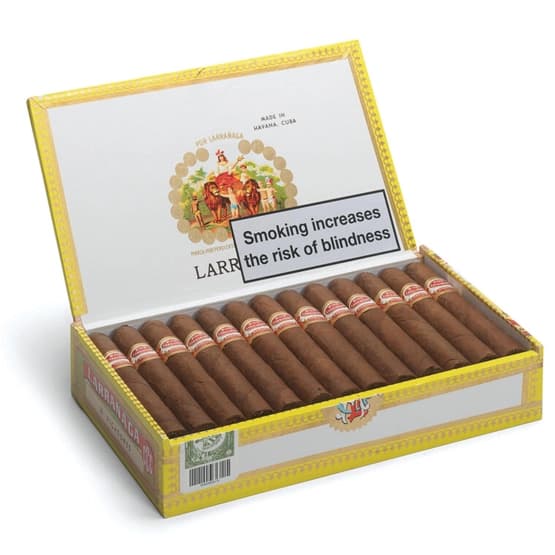
In the rarefied air of Cuban cigar collecting, few discoveries generate as much excitement as a discontinued vitola from a bygone era. The Por Larrañaga Lanceros stands as a prime example of this phenomenon, representing a silhouette of Cuban craftsmanship that has long since vanished from standard retail shelves. For the modern aficionado, this particular cigar is more than just a smoke; it is a tangible link to the past, harkening back to a time when specific formats were standard fixtures rather than limited novelties. As one of the oldest and most revered brands on the island, Por Larrañaga has always carried a torch for tradition, and the Lanceros remains one of its most celebrated, yet elusive, historical artifacts.

A Legacy Forged in Pre-Revolutionary Cuba
The origins of the Lanceros stretch back to a pivotal time in Havana's history. Established well before the seismic shifts of 1959, this vitola was introduced during the pre-revolutionary era, a period often romanticized for its prolific and diverse cigar output. For decades, the Lanceros enjoyed a prominent position in the brand's regular portfolio, beloved by smokers who appreciated the specific balance offered by its dimensions.
However, the tides of the cigar industry eventually turned. By the 1980s, shifting market trends and production rationalizations led to the discontinuation of the regular production run. While the brand itself survived, this specific size was retired, effectively freezing the Lanceros in time. Today, surviving stocks are viewed with a sense of reverence; the decades that have passed since its production ceased have only amplified its mystique, transforming it from a standard consumer product into a rare trophy for those hunting for vintage Habanos.
Technical Specifications and Dimensions
To understand the appeal of the Por Larrañaga Lanceros, one must look closely at its physical construction. This was not a cigar designed for a quick smoke; it was built for contemplation. In the factory nomenclature, the shape was classified simply as Coronas, though aficionados recognize it by its distinct measurements.
The cigar measures an impressive 142 mm (or 5⅝ inches) in length, providing a substantial burn time. However, it is the ring gauge of 42 that truly defines its character. In an era where thick " gordos " have become fashionable, the slender 42 ring gauge hearkens back to the classic Cuban aesthetic—a style that demands impeccable construction and allows for a more focused expression of the tobacco's flavor profile. Weighing in at an official 9.29 grams, this handmade vitola features the standard band associated with the marque, a simple yet elegant marker of its distinguished lineage.
Presentation and Packaging Variations
During its years of active production, the Lanceros was offered in a variety of presentations, a testament to its popularity and wide distribution. Collectors today look for specific packaging types, each offering a different window into the cigar's storage history. The options available during its prime included:
- Cardboard Packs: A convenient option featuring five cigars, with each individual unit protected inside its own aluminum tube.
- Slide Lid Boxes: A classic wooden presentation holding 25 cigars, often favored for their aesthetic appeal.
- Dress Boxes: A formal dress box configuration containing 25 cigars, also presented in individual aluminum tubes for preservation.
- Larger Formats: For the true connoisseur, slide lid boxes containing 50 cigars were also produced, offering a bulk option for long-term aging.
The prevalence of aluminum tubes in these packaging options was no accident; it was a practical measure designed to protect the delicate wrapper leaves and maintain the integrity of the cigars during transport and storage.
The Modern Collectibility of a Discontinued Classic
Because the Por Larrañaga Lanceros is no longer a regular production item, it occupies a special niche in the secondary market. The discontinuation transformed it into a "unicorn" cigar—a product that can only be found through estate sales, dedicated collectors, or specialized auctions. The appeal lies not just in its rarity, but in the opportunity to taste a blend that has been aged naturally for decades. Well-preserved examples offer a smoking experience that modern production lines cannot replicate, delivering flavors that have mellowed and evolved over time.
For those fortunate enough to encounter a box or even a single cigar, the experience goes beyond flavor. It is a moment of connection with the history of Cuban cigar making. The brand’s longstanding reputation for quality is fully embodied in this vitola, serving as a reminder of the classic proportions and disciplined craftsmanship that defined earlier generations of Habanos production.