Among the pantheon of Cuban cigar brands that have shaped the island's rich tobacco heritage, Por Larrañaga holds a distinguished position. Within its extensive catalog of releases, one diminutive machine-made vitola stands out for its remarkable longevity and devoted following: the Juanitos. This compact smoke carved out a unique niche in Cuban cigar culture, bridging the gap between industrial production methods and the traditional artistry that defines Cuban cigars worldwide. For collectors and enthusiasts seeking to understand this discontinued gem, the Juanitos offers a fascinating window into an era of Cuban cigar manufacturing that has largely vanished from production lines.

Origins and Historical Significance
The Juanitos emerged from Cuban factories before the transformative year of 1960, placing its creation firmly in the golden age of Cuban cigar production. Por Larrañaga, a marque with deep roots in Cuban tobacco history, introduced this petite smoke to satisfy demand for quick, accessible cigars that could be enjoyed during brief interludes. The internal factory designation of "Chicos" reflects the cigar's small stature and informal character.
What makes the Juanitos particularly noteworthy is its extraordinary production lifespan. The cigar remained in continuous production for nearly fifty years—a testament to its popularity among smokers who appreciated its convenient format and reliable character. However, in 2005, Por Larrañaga made the decision to discontinue this classic vitola, bringing an end to a half-century chapter in Cuban cigar history. This discontinuation transformed the Juanitos from an everyday smoke into a collectible artifact, sought after by those who remember its pleasant qualities and newcomers curious about vintage Cuban offerings.
Physical Characteristics and Construction
Measuring precisely 106 millimeters in length with a 29 ring gauge, the Juanitos exemplifies the petit corona format within the machine-made category. The modest dimensions translated to a brief smoking experience, typically lasting twenty to thirty minutes depending on individual smoking pace. The official weight of 3.00 grams positioned this cigar among the lighter offerings in the Por Larrañaga range.
As a machine-made product, the Juanitos utilized automated rolling processes rather than the hand-rolling techniques that define premium Cuban cigars. This manufacturing approach ensured remarkable consistency from cigar to cigar, with each example maintaining nearly identical dimensions, draw characteristics, and burn qualities. The standard Por Larrañaga band adorned each vitola, distinguishing it as part of the marque's official production line rather than regional or experimental releases.
While machine-made cigars occupy a different tier than their hand-crafted counterparts, the Juanitos demonstrated that industrial production could still deliver an enjoyable Cuban tobacco experience. The slender 29 ring gauge allowed the tobacco blend to shine through clearly, offering a concentrated flavor profile that rewarded smokers seeking something compact yet satisfying.
Packaging Evolution Throughout Production
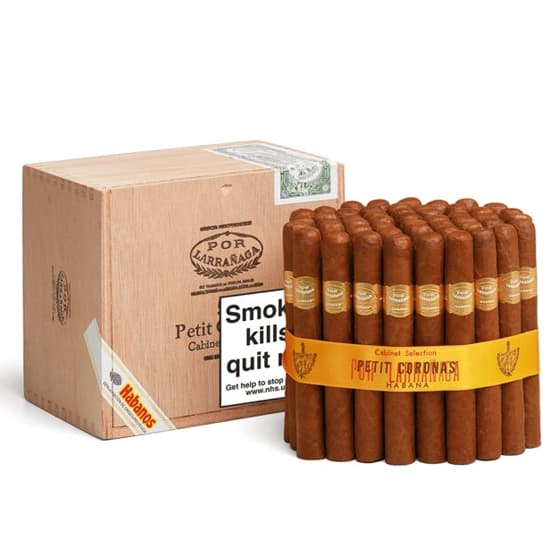
The Juanitos underwent several packaging transformations during its nearly fifty-year production run, reflecting shifting market demands and distribution practices. The earliest configurations favored volume-oriented formats: the cajón, or cabinet, containing 100 cigars represented the standard presentation for much of the brand's history. These larger packages included versions both with and without cellophane wrapping, accommodating different storage preferences and retail environments.
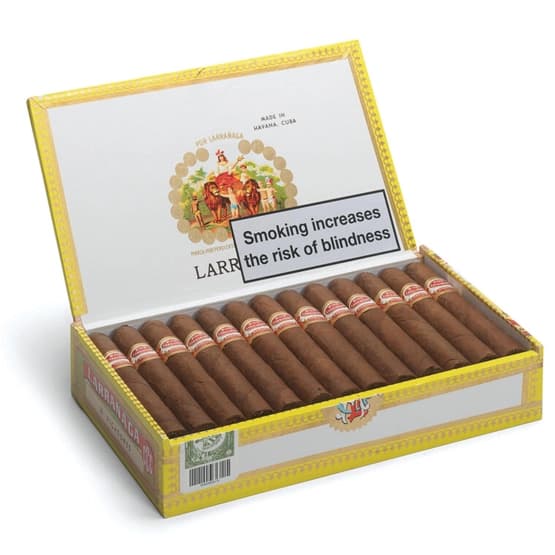
By the late 1980s, both the 100-count formats were discontinued, signaling a shift toward smaller, more consumer-friendly packaging. The dress box emerged as the final packaging format for the Juanitos, containing 25 cigars in a more compact and visually appealing presentation. This transition mirrored broader industry trends toward reduced package sizes and improved portability, recognizing that modern smokers increasingly preferred purchasing cigars in manageable quantities.
The dress box format remained the standard until the Juanitos met its end in 2005, making examples from this final packaging era the most commonly encountered by contemporary collectors. Understanding these packaging variations assists collectors in dating their acquisitions and appreciating the evolution of Cuban cigar marketing strategies.
Collecting and Acquiring Vintage Examples
Today, locating authentic Juanitos requires dedication and often significant expense. The combination of pre-1960 origins and 2005 discontinuation has rendered genuine examples increasingly scarce in the modern marketplace. Specialty tobacconists, auction platforms, and dedicated collector networks represent the most reliable channels for sourcing these vintage cigars, though buyers must exercise caution to verify authenticity and proper provenance.
Storage history proves critical when evaluating potential purchases. As with all aged Cuban cigars, improper storage can degrade tobacco quality, resulting in brittle or unpleasant-smoking specimens regardless of age. Collectors should seek vendors who can document storage conditions and preferably offer guarantees regarding the cigars' preservation.
For those fortunate enough to acquire well-preserved examples, the Juanitos offers a taste of Cuban cigar history—a machine-made vitola that served countless smokers faithfully for decades before earning its place among discontinued treasures worth preserving and appreciating.