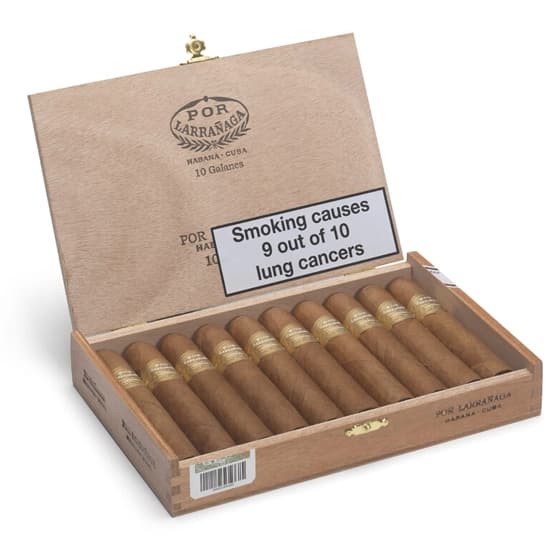
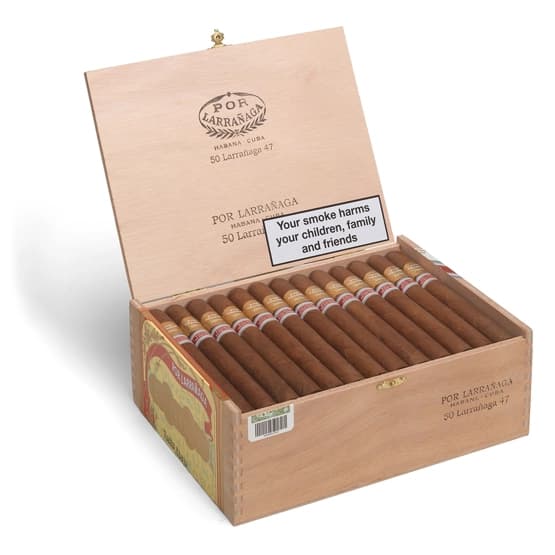
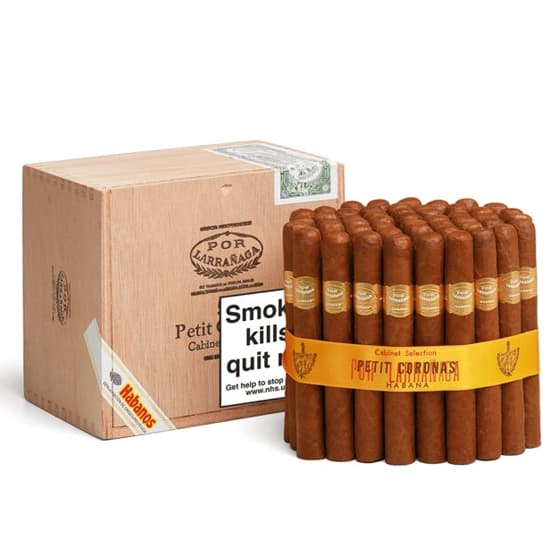
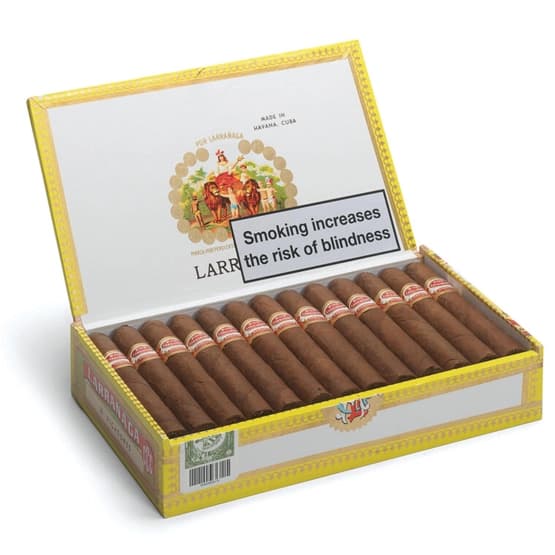
In the evolving landscape of Habanos, where brands frequently refresh their portfolios to suit modern palates, certain vitolas inevitably fade into history. The Por Larrañaga Belvederes stands as a prime example of a retired format that offers a window into the Cuban cigar industry's past priorities. Long before the current era, where handmade craftsmanship is the primary marketing focus, machine-made cigars held a prestigious spot in regular production lineups. For over three decades, the Belvederes served as a staple for the Por Larrañaga marque, delivering the brand’s signature flavor profile through a method of construction that has largely fallen out of favor with contemporary enthusiasts.

The Specifications of a Bygone Era
The physical characteristics of the Belvederes define it as a classic example of a cigar designed for a different time. With a slender ring gauge of 39 and a length of 125 mm (approximately 4 7/8 inches), this vitola offered a smoking experience that prioritized the wrapper leaf's influence over the bulk of the filler. Weighing in at an official 6.43 grams, it was a manageable smoke, often recognized by its factory name, which was identical to its market name. The presentation was typical of mid-century standards: each unit was sheathed in cellophane and arranged in dress boxes of 25, a packaging style that signaled everyday accessibility rather than rare luxury.
- Vitola Name: Belvederes
- Dimensions: 125 mm in length with a 39 ring gauge
- Construction Method: Machine-made
- Weight: 6.43 g
- Packaging: Dress boxes containing 25 cigars, individually wrapped in cellophane
Manufacturing Methods and Market Position
Perhaps the most defining aspect of the Por Larrañaga Belvederes was its construction. Unlike the premium "totalmente a mano" (totally by hand) status coveted by collectors today, this cigar was produced via machine-made processes. During the pre-1960 era and the subsequent decades, this method was not viewed as a deficit but rather as a practical solution for mass availability. It allowed the brand to maintain consistent production volumes while utilizing high-quality Cuban tobacco. The cigar featured the standard "A" band associated with Por Larrañaga, ensuring that despite the mechanical production, the visual identity remained consistent with the house's long-standing heritage.
A Timeline of Production and Exit
The Belvederes traced its lineage back to the pre-1960 period, securing its place as one of the older, established releases within the Por Larrañaga portfolio. This longevity is notable; the cigar survived the transition of the Cuban industry post-revolution and remained a fixture on shelves for roughly thirty years. However, the early 1990s marked a turning point. As the global demand for ultra-premium, hand-rolled cigars surged, Habanos S.A. began a strategic consolidation of its offerings. The decision was made to phase out machine-made regular production cigars in favor of expanding hand-rolled premium lines. Consequently, the Belvederes was discontinued, signaling the end of its three-decade run.
The Collector's Legacy
Today, the Belvederes serves as a tangible reminder of a shifting industry philosophy. Its retirement in the early 1990s was not due to a lack of quality, but rather a shift in branding strategy. As Habanos moved to emphasize the artistry of the torcedor (cigar roller), machine-made vitolas like the Belvederes were systematically removed from the catalog. For the modern aficionado, finding a box of these cigars is a rare treat. They represent a different philosophy of production—one where efficiency and accessibility were balanced with the unmistakable flavor of Cuban tobacco. Existing now only in the secondary market and private humidors, the Por Larrañaga Belvederes remains a respected, if silent, witness to the evolution of Cuban cigar manufacturing.