In the realm of premium Cuban tobacco, few releases generate as much quiet reverence as the early iterations of the Edición Limitada program. Among these, the Partagás Serie D No. 3 stands out as a defining release from the turn of the millennium. While the Partagás brand is practically synonymous with robust, full-bodied smokes, this specific introduction offered aficionados a chance to experience the brand's classic profile through a unique format that was previously absent from their regular production lineup. For the dedicated collector, this cigar represents more than just a smoking experience; it is a snapshot of a pivotal moment in Habanos history.



The Significance of the 2001 Vintage
Although officially designated with a January 1, 2001 release date, the Serie D No. 3 did not actually appear on retailer shelves until the following year. This discrepancy between the printed date and the arrival time is a well-known quirk within the industry, often resulting from the rigorous quality control standards and production timelines inherent to Cuban cigar manufacturing. Rather than rushing to meet a deadline, the extended timeline ensured that the cigars reached the public in optimal condition. This delay is now viewed as a hallmark of the era, adding a layer of historical context to the smoking experience.
As a participant in the Limited Edition Series, this release was designed to offer something outside the standard portfolio. Habanos S.A. utilized this program to highlight the versatility of their most prestigious brands, crafting sizes specifically for these special runs. The Serie D No. 3 was a prime example of this philosophy, expanding the Partagás family with a vitola that demanded attention.
Dimensions and the Importance of Aged Wrapper
One of the most compelling aspects of the Edición Limitada concept is the strict requirement regarding raw materials. For the Serie D No. 3, the wrapper leaves were subjected to a patient maturation period lasting two full years before being selected for production. This extended aging process is crucial; it allows the leaf to develop a darker, richer hue and a more complex flavor profile than standard production tobaccos. This commitment to aged components is what separates a standard release from a true limited edition.
In terms of physical construction, the cigar is entirely hand-rolled, adhering to the traditional methods that have defined Cuban expertise for generations. The factory name for this shape is Coronas Gordas, a format that offers a substantial yet manageable smoking duration.
- Factory Vitola Name: Coronas Gordas
- Length: 143 mm (5⅝ inches)
- Ring Gauge: 46
- Official Weight: 11.41 g
A Collector’s Guide to Bands and Boxes
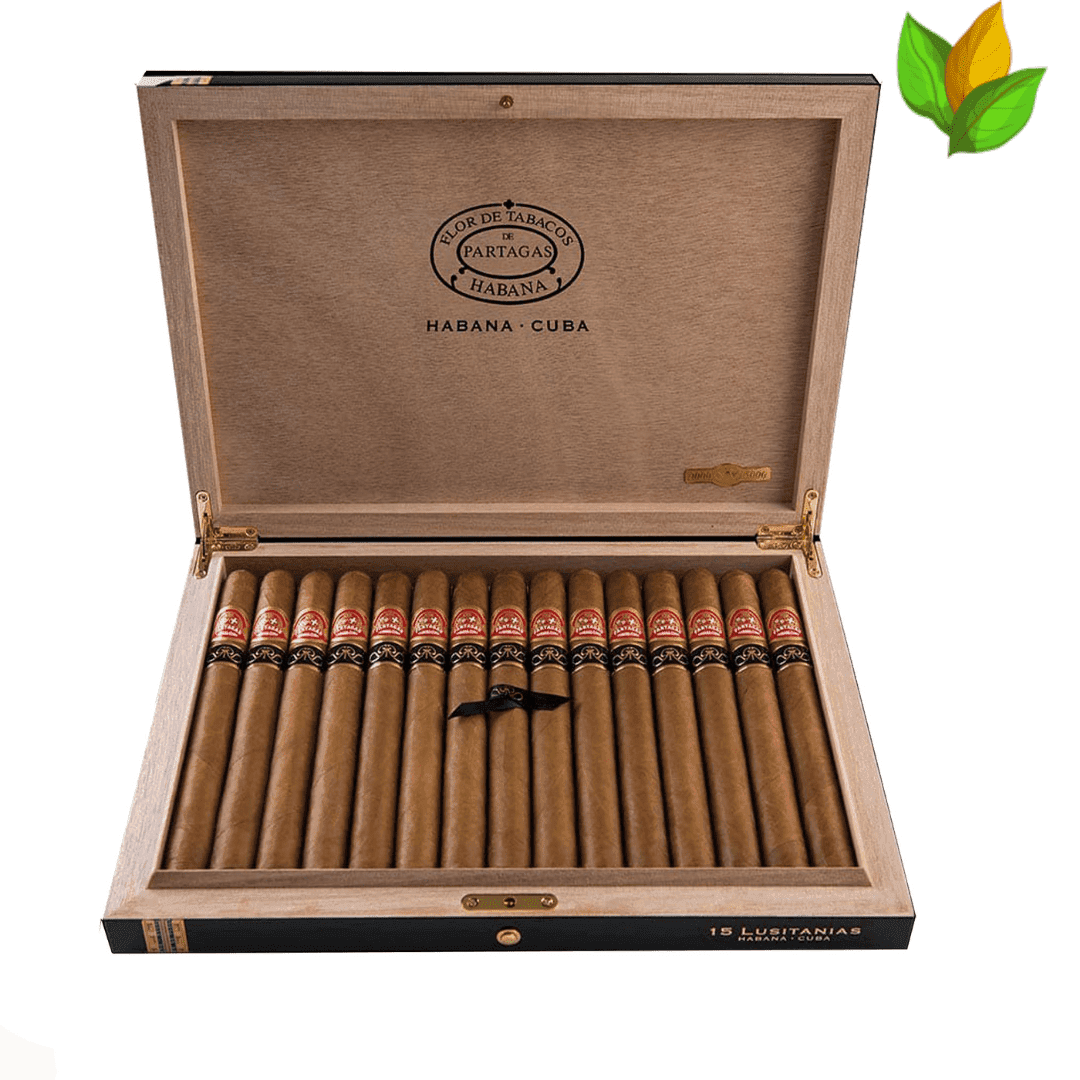
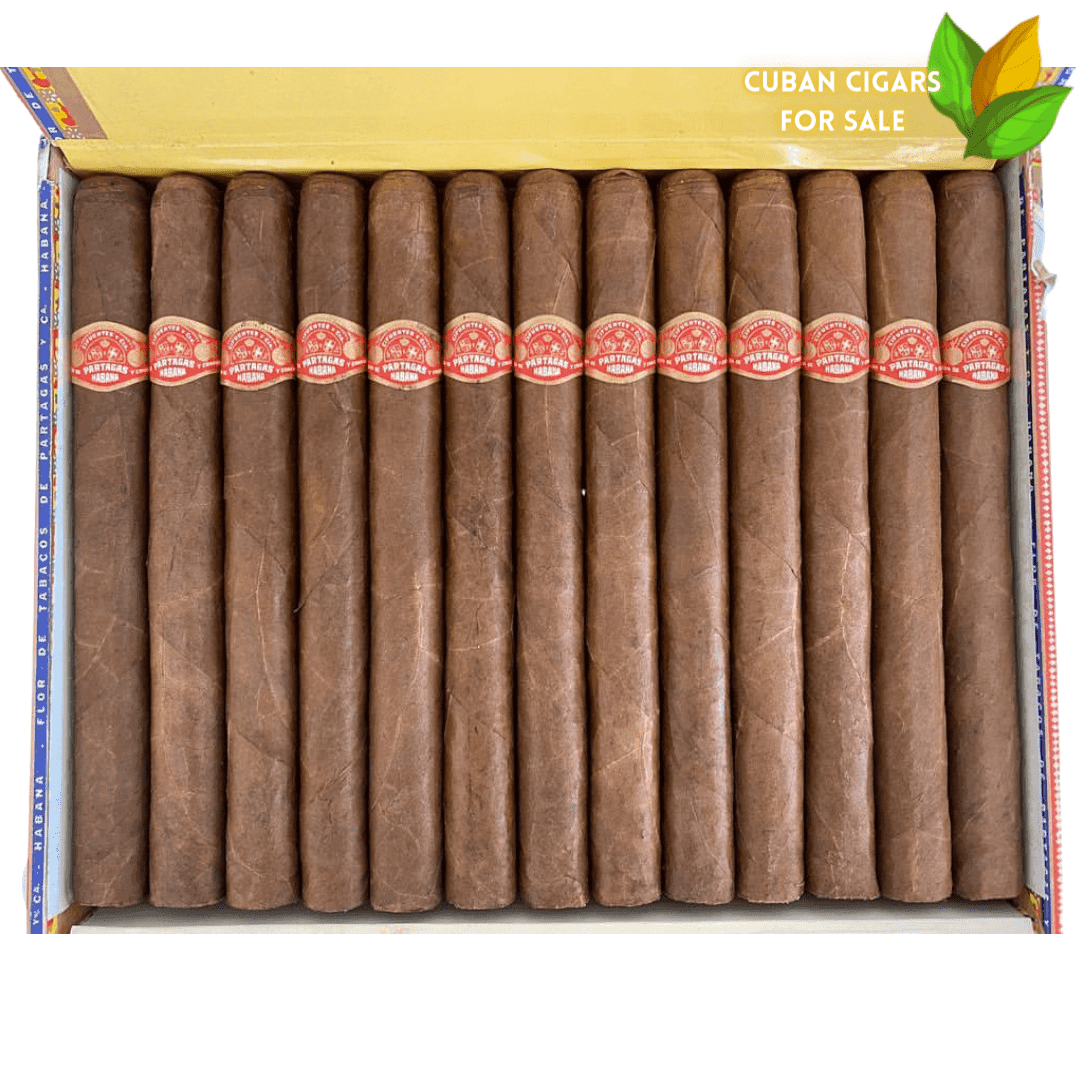
The presentation of the Serie D No. 3 adheres to the classic aesthetic expected of high-end Cuban cigars. The sticks are housed in dress boxes containing 25 units, a traditional configuration that appeals to connoisseurs who value the ritual of opening a fresh box. However, it is the banding that provides the most intrigue for collectors hunting down specific batches.
The cigar is adorned with two distinct identifiers: the main Partagás band and a secondary band denoting "Edición Limitada 2001." Interestingly, there is a notable variation that sharp-eyed collectors look for. The earliest production runs were released utilizing the standard Partagás "Band A," rather than the specific Serie D band that appeared on later productions. This subtle difference makes the initial batches highly desirable, as they represent the very first output of this special release.
Legacy and Collectibility
Today, the Partagás Serie D No. 3 is viewed as a significant chapter in the brand's storied history. The combination of the Coronas Gordas format, the meticulously aged wrapper, and the limited nature of the production run has cemented its status as a sought-after addition to any serious collection. The variation in band design further complicates the pursuit, offering collectors a "treasure hunt" element as they attempt to secure the earliest examples of this vintage. For those lucky enough to find one, it remains a testament to the enduring appeal of early 2000s Cuban cigar craftsmanship.