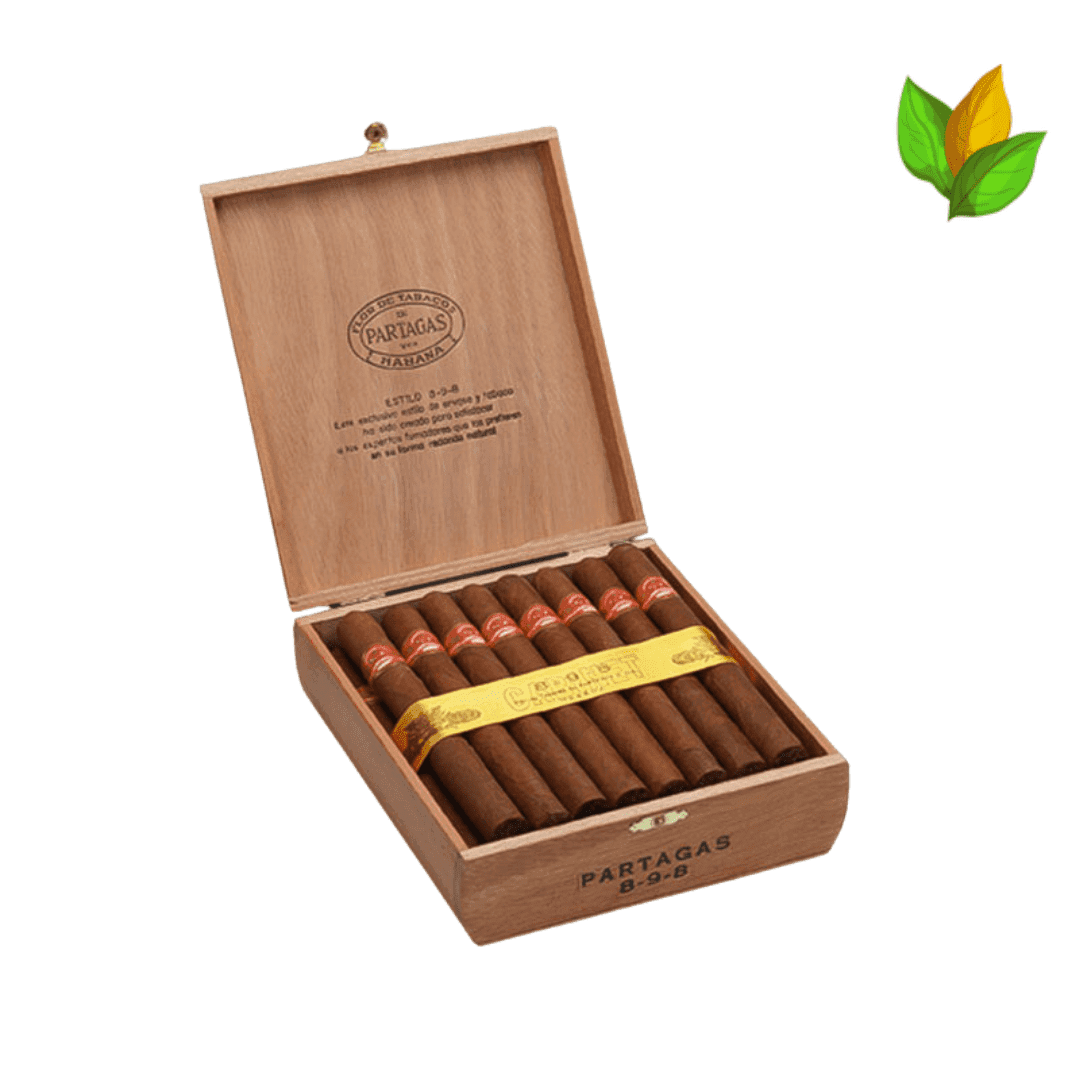
For devotees of Cuban tobacco artistry, few experiences rival discovering a forgotten format that once graced the humidors of connoisseurs decades ago. The Partagás Royales represents precisely such a treasure—a petite yet distinguished smoke that embodies an era when Cuban cigar makers experimented with a wider array of dimensions before standardization simplified production. This discontinued vitola, born from one of Havana's most prestigious houses, continues to captivate collectors who recognize its historical importance and the craftsmanship it represents.

Origins and Historical Significance
The story of the Royales begins in the halcyon days preceding Cuba's revolution, when Partagás maintained one of the most diverse catalogs in the industry. During this golden period, the brand catered to enthusiasts who valued variety and sophistication in their smoking pursuits. The Royales emerged as an answer to those seeking elegance without sacrificing the robust character that defined Partagás blends. Its presence in the regular lineup persisted through political upheaval and economic changes, surviving several decades before eventually fading from production sometime during the 1980s. This longevity speaks to the format's appeal and the brand's commitment to maintaining traditional options alongside newer innovations.
Technical Specifications and Construction
Measuring precisely 126 millimeters with a 40 ring gauge, the Royales occupied a comfortable middle ground between ultra-compactemergency smokes and longer, more substantial parejos. This translates to approximately five inches of smoking pleasure, providing enough time to appreciate the intricate tobacco layering without demanding an excessive commitment. Each specimen tipped the scales at 7.29 grams, reflecting the carefully calibrated density that skilled torcedores achieved through generations of practiced technique.
The construction process relied entirely on manual labor, with experienced rollers shaping each wrapper, binder, and filler combination by hand. This artisanal approach ensured consistent quality while allowing subtle variations that characterized authentic Cuban craftsmanship. The signature Partagás band A adorned each piece, displaying the iconic design that has symbolized the manufacturer's identity for over a century. Packaging followed convention of the period, with twenty-five cigars arranged in dress boxes that protected the contents during storage and transport.
The Londres Vitola Legacy
Behind the scenes, Cuban factories utilized specific designations for their various sizes, and the Royales carried the factory name "Londres." This particular vitola classification holds special meaning within cigar history, representing a format that balance proved particularly successful. The dimensions allowed smokers to experience the complete expression of Partagás's signature blend—typically featuring earthy undertones, subtle spice, and rich tobacco notes—in a session lasting roughly thirty to forty-five minutes depending on smoking pace.
The Londres designation connects the Royales to a broader tradition of Cuban size nomenclature that predates modern standardization efforts. Enthusiasts familiar with these historical references often seek out examples of various factory names, appreciating how different proportions influence flavor development and draw characteristics. The Royales, with its moderate ring gauge, offered excellent smoke concentration while remaining accessible to those who preferred smaller diameters.
Collecting and Modern Appeal
Today, acquiring well-preserved examples of the Partagás Royales requires patience, connections, and sometimes considerable expense. As production ceased over thirty years ago, surviving stock grows increasingly rare with each passing year. Factors such as proper storage conditions, intact seals, and maintained humidity levels significantly impact whether discovered cigars remain smokeable or have deteriorated beyond enjoyment. Collectors prioritize vendors who can verify provenance and storage history, recognizing that even authentic examples may have suffered from suboptimal conditions.
Those fortunate enough to experience a properly aged Royales often describe the encounter as transporting—a literal taste of Cuban cigar culture from decades past. The smoke delivers nuances that modern production, despite its quality, cannot replicate. For serious collectors and curious enthusiasts alike, tracking down these historical specimens represents both a challenge and an opportunity to connect with an important chapter in Havana's legendary tobacco legacy.