When a storied Cuban marque pulls a vitola from its catalog, the cigar world takes notice. The Partagás Petit Partagas is one such specimen—a compact, machine‑made corona that once sat comfortably in the brand’s lineup for decades before vanishing from retail shelves. For aficionados who still hunt for that perfect, short smoke, this discontinued gem offers a taste of history that is both rare and evocative.
Origins and Historical Significance
The roots of the Partagás Petit Partagas stretch back well before the modern era of Cuban cigar production. First appearing in the pre‑1960 period, the Petit Partagas rode the wave of post‑World War II popularity that saw many Cuban factories experimenting with smaller, more affordable formats. Over the years, it became a steady presence in Partagás’ regular production, surviving multiple changes in manufacturing technology and shifts in consumer taste. By the early 2000s, however, the brand decided to retire the model, officially ending its run in 2002. The cigar’s longevity is a testament to the brand’s ability to balance tradition with practicality, providing a consistent, machine‑made option for smokers who wanted a quick, flavor‑packed interlude.
Technical Specifications
Understanding the physical attributes of the Petit Partagas helps collectors gauge its authenticity and condition. Below is a concise list of key measurements and identifiers:
- Factory designation: Petit Cetros
- Ring gauge: 40 (≈ 10 mm)
- Length: 129 mm (5 ⅛ inches)
- Official weight: 7.75 g
- Construction method: Machine‑made
- Band style: Standard Partagás “A” band
These figures place the Petit Partagas squarely in the “petit corona” category, delivering a concise smoking experience that still showcases the house’s signature boldness.
Construction and Visual Identity
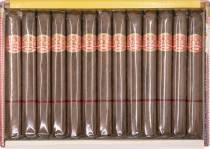
Because it was produced using automated processes, the Petit Partagas differs from many hand‑rolled Cuban cigars in its construction. The filler and binder are fed into a cylindrical mold, then encased in a homogenized wrapper that is applied uniformly across each stick. This method ensures a consistent draw and burn, which appeals to smokers who prioritize reliability over the nuanced variability of hand‑rolled vitolas. Visually, the cigar bears the classic Partagás “A” band—a simple, gold‑on‑black design that has adorned the brand’s portfolio for generations. The wrapper typically exhibits a medium‑brown hue with a slightly oily sheen, hinting at the underlying richness of the blend.
Packaging and Distribution
During its years on the market, the Petit Partagas was offered in two primary packaging configurations, each reflecting the evolving preferences of both retailers and end‑consumers:
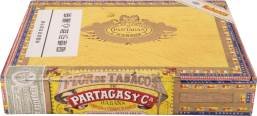
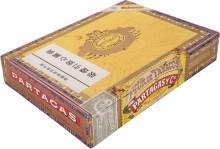
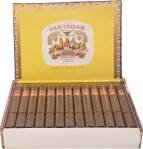
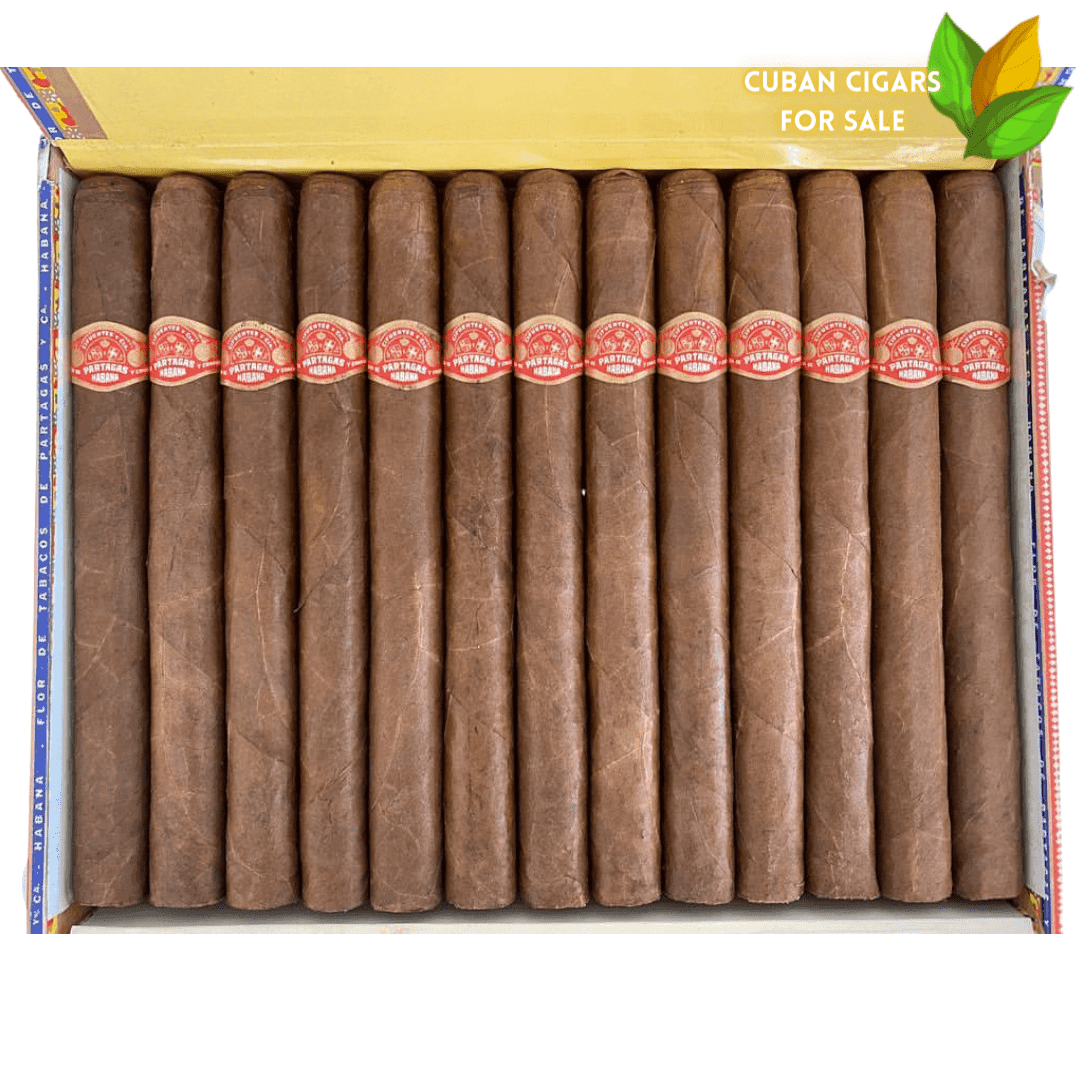
- Dress box of 25 cigars (plain) – discontinued in 2002
- Dress box of 25 cigars wrapped in cellophane – discontinued in 2001
The plain dress box represented the traditional presentation, often found in humidors and tobacco shops. The cellophane‑wrapped version added an extra layer of protection, particularly valued in humid climates where moisture control was critical. Both formats are now collector’s items, with the cellophane‑wrapped variant typically fetching a modest premium due to its added preservation.
Collectibility and Market Outlook
Today, the Partagás Petit Partagas occupies a niche spot in the secondary market. Because production halted over two decades ago, surviving sticks have become increasingly scarce. The machine‑made nature of the cigar means that, while the flavor profile may not rival the complexity of a hand‑rolled Cohiba, it still delivers a recognizably Cuban experience—earthy, with a subtle spice that lingers on the palate. Collectors often seek the Petit Partagas for its historical value, as a tangible link to an era when Partagás routinely offered affordable, everyday smokes alongside its premium hand‑rolled lines. When perusing online auction sites or specialty tobacconists, expect to see price variations based on box condition, cellophane integrity, and the presence of original tax stamps. For those looking to acquire a stick, investing in a properly stored, cellophane‑sealed example will likely preserve its smoking qualities for years to come.