Within the illustrious and storied portfolio of the Partagás brand, few cigars illustrate the intersection of history and modernization quite like the Petit Coronas Especiales. This cigar is not merely a relic of the past; it is a survivor that has successfully navigated the shifting tides of the Cuban cigar industry. While many of its contemporaries have faded into obscurity, the Petit Coronas Especiales has evolved, transitioning from an industrial past to a handcrafted future, securing its place as a staple in the modern regular production lineup.



A Transformation in Craftsmanship
The lineage of the Petit Coronas Especiales is defined by a pivotal evolution in its construction. Originating long before the turn of the millennium, specifically prior to 1960, this cigar was originally manufactured as a machine-made product. For decades, it retained this format until the industry began shifting toward higher quality standards. The year 2002 marked a significant turning point when production transitioned to fully handmade methods.
This shift was not merely a change in labor; it necessitated a physical alteration of the cigar itself. In its earlier machine-made iteration, the cigar was produced in the "Eminentes-old" vitola, featuring a ring gauge of 44. When the switch to handmade craftsmanship occurred, the dimensions were refined. The modern incarnation maintains the classic length but slims down to a 42 ring gauge, offering a slightly different draw and combustion profile that purists have come to appreciate.
Technical Specifications and Vitola
Today, the cigar is recognized under the factory name of "Eminentes." It stands as a testament to the enduring appeal of the corona format, a size that allows for a true expression of the blend's character. The current specifications highlight a precise and manageable smoke, suitable for both the novice and the seasoned aficionado.
- Vitola Name: Petit Coronas Especiales
- Factory Name: Eminentes
- Dimensions: 132 mm (5 ¼ inches) in length with a 42 ring gauge
- Official Weight: 8.66 g
- Status: Current Regular Production
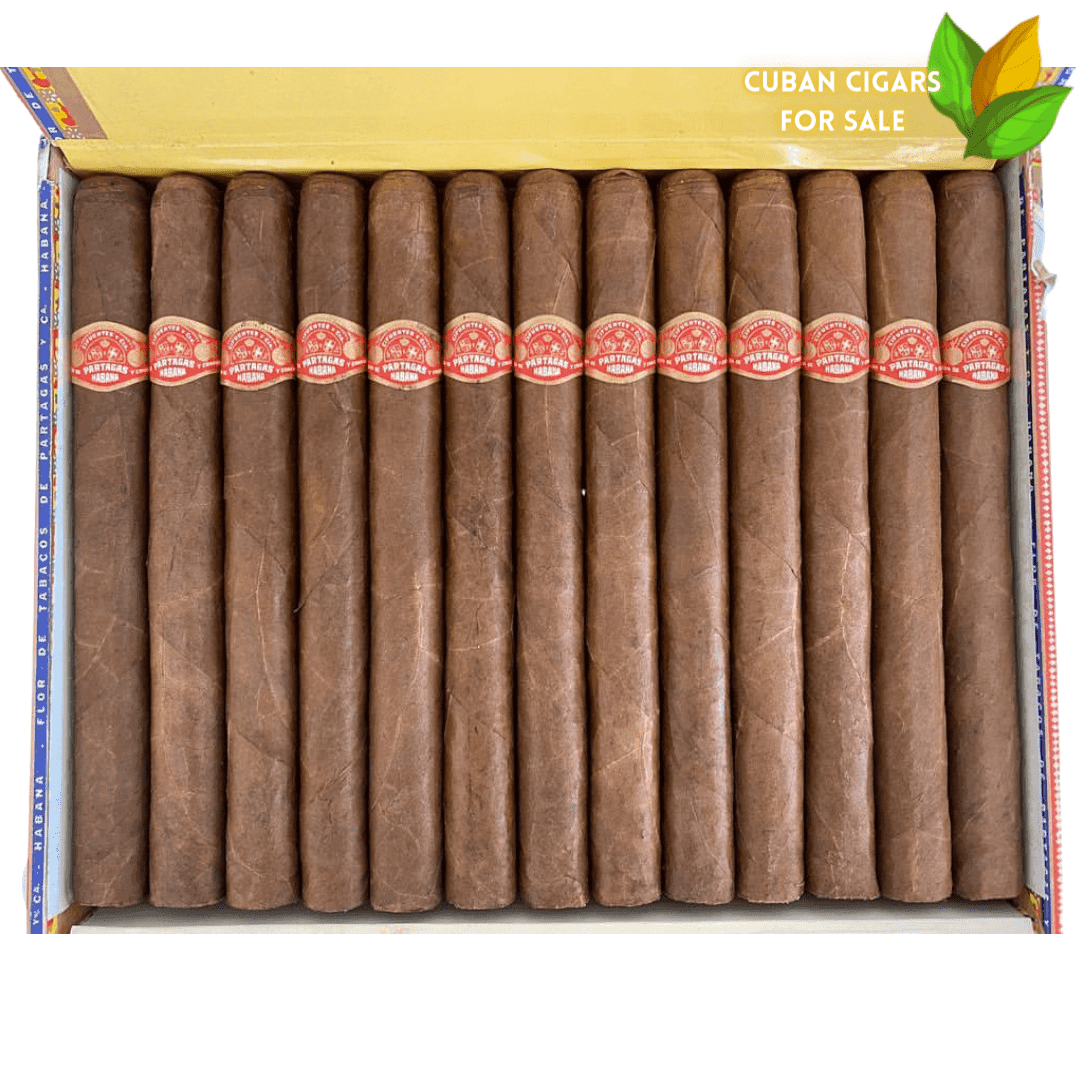
Adorned with the standard Partagás band, the cigar remains an accessible yet premium option. The construction integrity is a hallmark of its handmade status, ensuring a consistent experience that has kept it in regular rotation for decades.
Analyzing the Flavor Profile
When lit, the Petit Coronas Especiales delivers exactly what one expects from the Partagás house style: a medium-bodied smoke grounded in rich, earthy characteristics. Based on a comprehensive analysis of consumer feedback, the cigar holds a solid rating of 3.66 out of 5. The consensus among smokers points to a flavor profile that is robust yet balanced, avoiding the pitfall of being overly aggressive.
Spice is the undisputed dominant note, leading the charge from the first draw. This is closely followed by a complex interplay of secondary flavors. Reviewers frequently note the presence of baking spice and black pepper, which provide a sharp zest to the palate. Interestingly, there are distinct elements of sourdough and earth, giving the smoke a savory quality that is quite unique. As the cigar progresses, supporting notes of cedar, leather, coffee, and a hint of salt emerge, rounding out the experience. While the scores for balance, strength, and complexity sit comfortably at a 3 out of 5, the cigar scores slightly lower in elegance—a reflection perhaps of its robust, rather than refined, character.
Packaging Evolution and Collectibility
The history of the Petit Coronas Especiales is also told through its packaging, which has seen considerable variation over the years. Collectors will find that older formats often included cellophane wrappers, a practice that has largely been abandoned in modern Cuban production. Historically, the cigar was available in dress boxes of 25 or 10, as well as cardboard packs of 5 or 10, and even plastic cans holding 10 cigars.
Several of these configurations have since been discontinued, marking distinct eras in the cigar's lifecycle. For instance, the cardboard pack of 5 cigars was phased out around 2009, and cellophane wrapping was retired from the dress boxes around the time of the handmade transition in 2002. Today, enthusiasts primarily seek out the standard dress boxes, which house the cigars without the obstruction of cellophane, allowing the wrapper to breathe and age gracefully. This evolution in presentation underscores the cigar’s journey from a mass-market product to a curated artisanal offering.