In the annals of Cuban cigar heritage, certain vitolas emerge and fade, each telling its own story of craftsmanship, culture, and changing tastes. One such specimen is the Partagás Petit Bouquets, a compact smoke that carved out its niche in the pantheon of island cigars before vanishing from production in 2003. Though no longer rolled in Cuban factories, this particular format continues to intrigue collectors and evoke nostalgic memories among seasoned aficionados who had the pleasure of experiencing it during its four-decade reign.

Origins and Historical Journey
The roots of the Petit Bouquets extend deep into the pre-revolutionary era, with its introduction predating 1960. During those formative years, Partagás—one of Cuba's most venerable brands—experimented with various vitolas to satisfy diverse palates. The Petit Bouquets emerged as a response to demand for shorter smoking experiences that didn't compromise on brand authenticity.
For over forty years, this particular format remained a fixture in Partagás regular production schedules. It weathered the dramatic transformations that reshaped Cuba's tobacco industry, adapting to shifting economic landscapes while maintaining its core identity. The year 2003 brought an inevitable conclusion to its production run, closing a significant chapter in the brand's history and leaving behind a void in the machine-made segment of Cuban cigars.
Technical Specifications and Design
- Commercial Name: Petit Bouquets
- Factory Designation: Infantes
- Dimensions: 98mm in length (approximately 3⅞ inches) with a 37 ring gauge
- Weight: Approximately 4.51 grams
- Manufacturing Method: Machine-produced
- Visual Identification: Standard Partagás band A
The proportions of the Infantes were deliberately modest, targeting smokers who desired a brief but flavorful interlude rather than an extended ritual. Its slim 37-ring gauge ensured a concentrated draw, while the compact length delivered the essential Partagás character in a condensed timeframe. These specifications positioned the Petit Bouquets as an accessible entry point into the Partagás universe.
Production Methods and Presentation
Unlike many Partagás offerings that showcase artisanal hand-rolling techniques, the Petit Bouquets represented the industrial side of Cuban cigar manufacturing. Automated production lines churned out these vitolas with remarkable consistency, enabling the brand to meet substantial market demand without sacrificing uniformity.
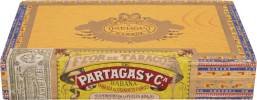
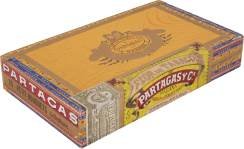
Each individual cigar was sealed in cellophane wrapping, a practical choice that protected the tobacco from environmental fluctuations while preserving essential humidity levels. Twenty-five units were housed in dress boxes, a traditional presentation format that balanced practicality with visual appeal. This packaging strategy reflected the cigars' positioning as everyday smokes rather than special occasion luxuries, making them readily available to a broad audience of enthusiasts.
Cultural Significance and Modern Legacy
The discontinuation of the Petit Bouquets in 2003 signaled a broader recalibration within Cuba's premium tobacco sector. As global demand shifted toward handcrafted alternatives, manufacturers increasingly directed resources toward artisanal vitolas that commanded higher prices and represented superior craftsmanship. Machine-made offerings like the Petit Bouquets became casualties of this strategic pivot.
Today, surviving examples of this format have acquired almost mythological status among certain collector circles. Those who managed to experience the Petit Bouquets during its production years often speak fondly of its distinctive character—a testament to the enduring appeal of even the most accessible Partagás expressions. While the brand continues producing an impressive array of hand-rolled selections for contemporary smokers, the Petit Bouquets remains a fascinating footnote in Partagás' storied catalog.
The Petit Bouquets exemplifies how industrial innovation and traditional branding can intersect, creating products that serve specific market needs while contributing to a larger narrative. Its absence from modern inventories underscores the relentless evolution of Cuban cigar culture, where even beloved formats eventually yield to changing preferences and manufacturing priorities.