Few Cuban cigars command as much quiet admiration as the Partagás Perfectos, a vitola that slipped quietly into the market before the mid‑20th century and remained a steady presence for more than forty years. While it never garnered the celebrity status of some hand‑crafted siblings, its story reflects the broader evolution of Cuban cigar production, the rise of mechanized techniques, and the shifting tastes of smokers on both sides of the Atlantic. Today, the Perfectos is more myth than mainstream, a relic of a time when a machine‑made stick could sit comfortably alongside premium, hand‑rolled offerings on the same shelf. This guide walks through the origins, technical profile, production details, and the niche it has carved out among collectors.

Origins and Early Years
The Perfectos first appeared on the market prior to 1960, making it one of the most seasoned releases in the Partagás catalog. Its arrival coincided with a period when the brand was expanding its reach beyond the elite circles of Havana’s cigar salons, reaching a broader audience that valued consistency and affordability. For more than four decades, the cigar remained in continuous production, a testament to both the format’s popularity and the practicality of the manufacturing process that brought it to life. In 2002, after a long run that spanned the latter half of the 20th century, the line was retired, leaving behind a footprint that still sparks curiosity among historians and aficionados.
Milestones in Production
- First launch: Pre‑1960, early adoption in the Cuban market.
- Peak availability: Throughout the 1970s and 1980s.
- Final year: 2002, marking the end of an era for this vitola.
Technical Specifications
Understanding the physical attributes of the Perfectos helps place it within the broader family of Cuban cigars. Below is a concise rundown of the most relevant measurements and design elements.
- Ring gauge: 44
- Length: 127 mm (approximately 5 inches)
- Weight: 7.36 g
- Construction method: Machine‑made
- Band: Standard Partagás “A” band, maintaining brand identity
Manufacturing and Packaging
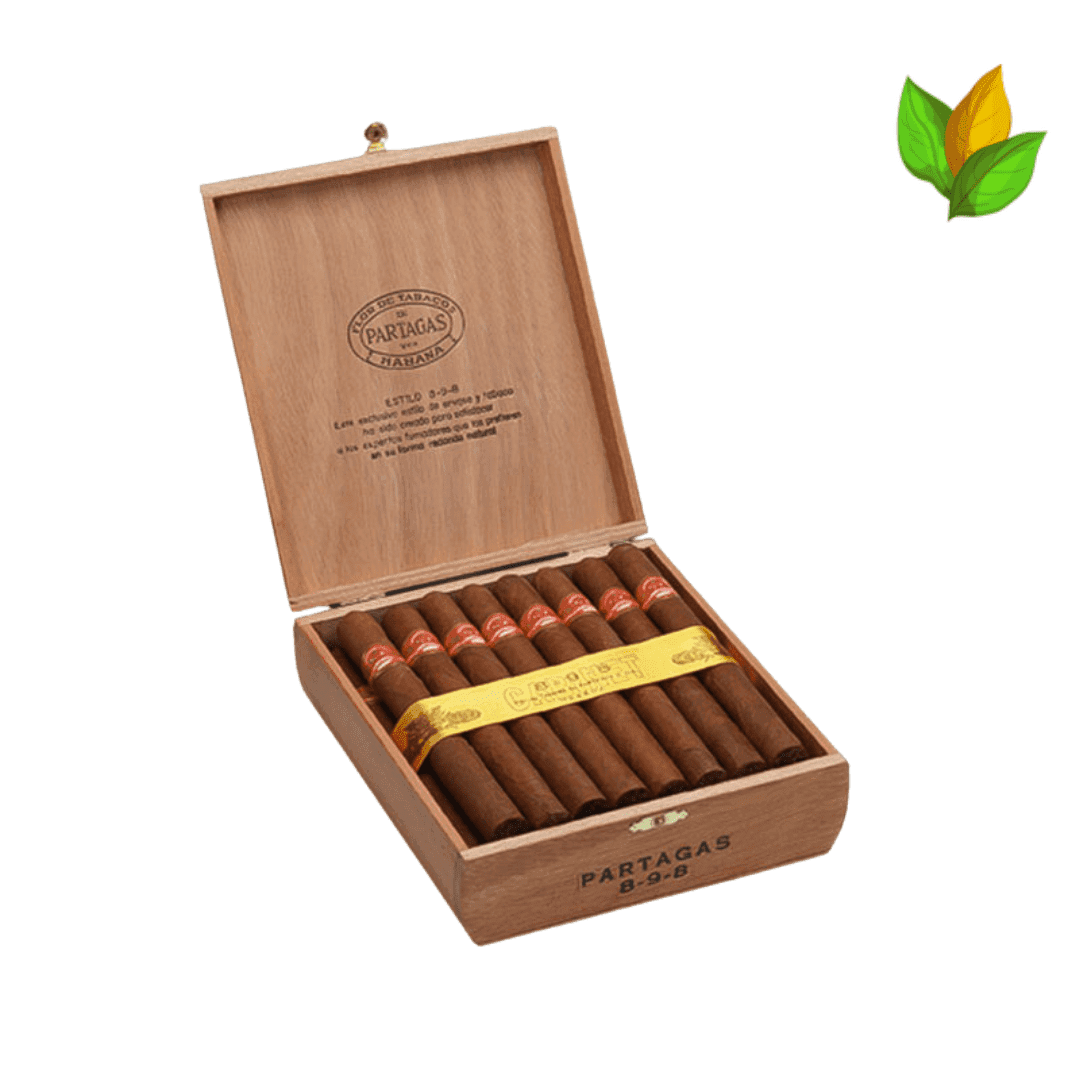
As a machine‑crafted stick, the Perfectos was produced using automated rollers that ensured each cigar emerged with a uniform draw and burn characteristics. This approach allowed Partagás to meet demand without sacrificing the consistency that many smokers prized. The visual presentation mirrored the brand’s classic aesthetic: a crisp “A” band wrapped around the barrel, each individual cigar sealed in cellophane for freshness, and twenty‑five units nestled in a traditional dress box. The box design, while modest compared to some of the more ornate packaging of the era, still carried the understated elegance associated with the Partagás name.
Collectibility and Modern Legacy
Since its discontinuation, the Perfectos has migrated from the humidor of everyday smokers to the display cases of collectors. Remaining boxes—still protected by their original cellophane—command attention at specialty auctions and online forums where enthusiasts hunt for pre‑2000s machine‑madeCuban cigars. The appeal lies not just in rarity but in the snapshot the cigar offers of a transitional era in cigar manufacturing, when technology began to intersect with tradition.
Tips for Prospective Collectors
- Inspect the cellophane for any signs of brittleness or discoloration, which can affect the interior condition.
- Verify the band authenticity; the classic “A” design has been reproduced, so compare with known reference images.
- Store the cigars in a controlled environment (65‑70% RH, 68‑70°F) to preserve the original flavor profile.
- Consider acquiring a full box rather than singles, as sealed boxes often retain better humidity balance.
While the Perfectos may no longer roll off the production line, its legacy endures in the stories of those who smoked it during its heyday and in the curiosity it still sparks among a new generation of collectors. The cigar stands as a reminder that Cuban craftsmanship isn’t limited to hand‑rolled perfection—sometimes, a well‑engineered machine‑made stick can carve out its own historic niche.