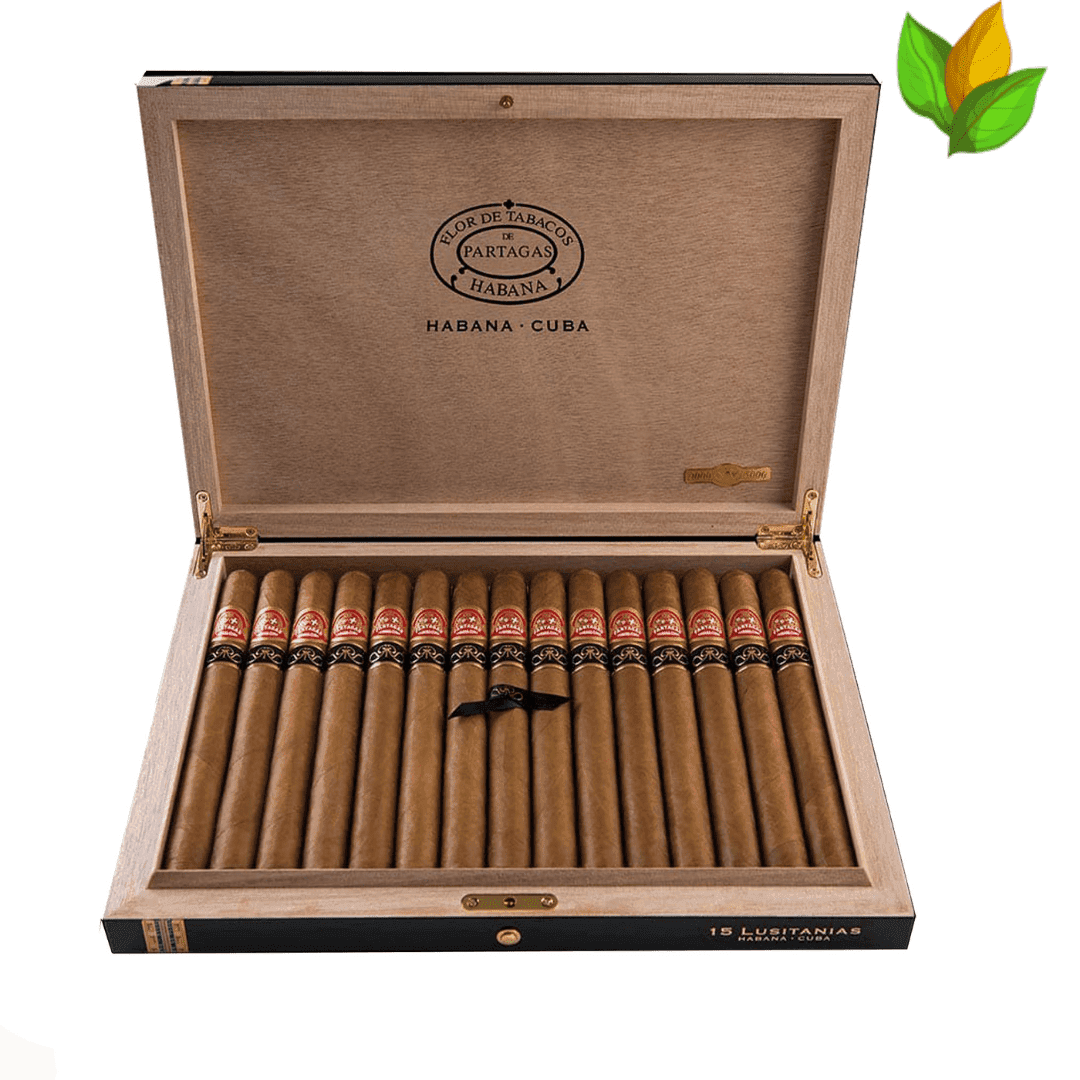
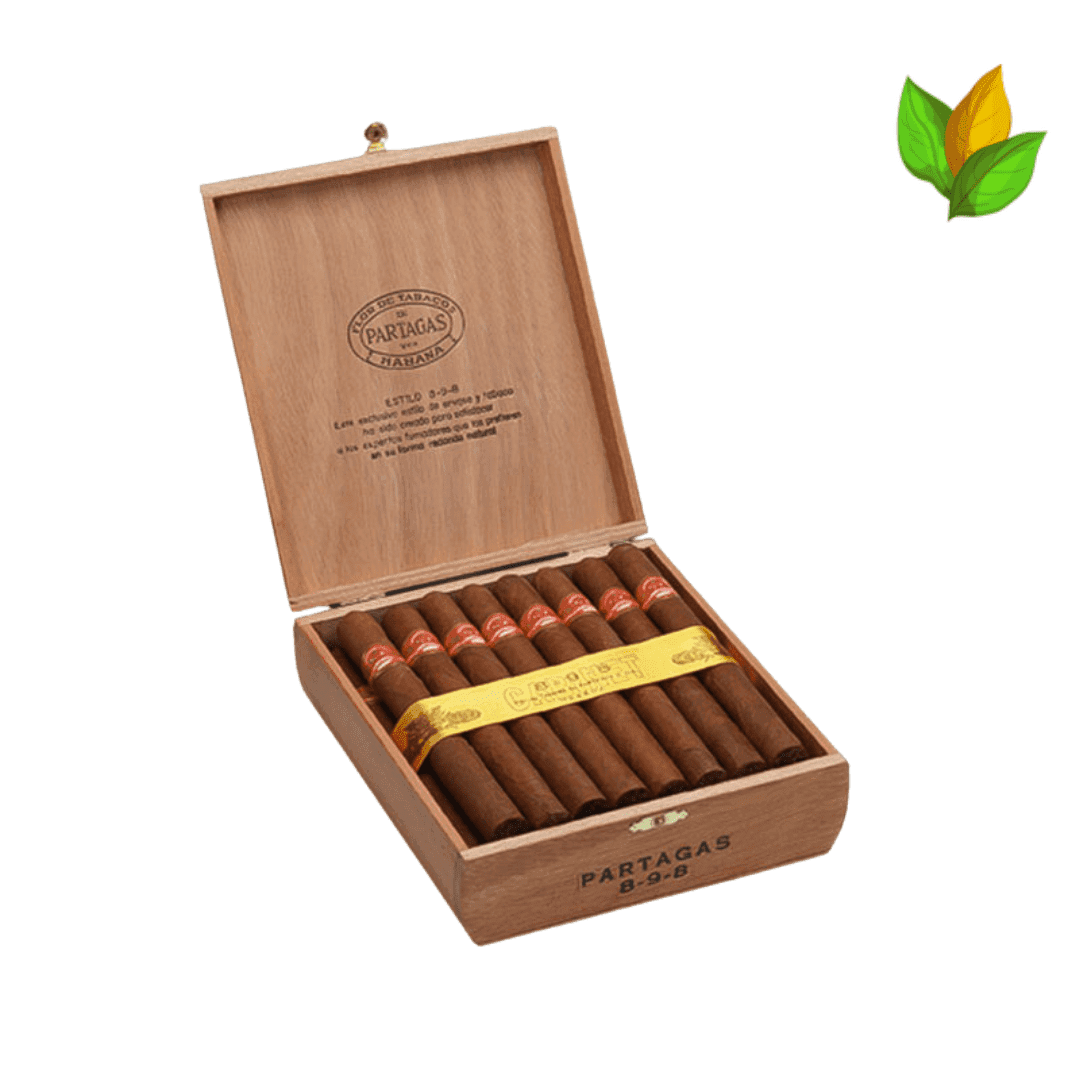
Among the pantheon of Cuban cigar heritage, few vitolas capture the imagination quite like the Partagás de Partagás No.1. This elegant smoke traces its roots to an era when Cuban cigar artisanship was reaching its zenith, and today it stands as a treasured artifact for those who appreciate the golden age of Habanos. Its journey from production line to collector's showcase reflects the evolving tastes and traditions that have shaped Cuba's legendary tobacco culture.


A Legacy Forged in Cuban Soil
The Partagás name has long been synonymous with excellence in the world of premium cigars. As one of Cuba's most prestigious manufacturers, the brand established itself through unwavering commitment to quality and an understanding of what makes a truly exceptional smoking experience. The No.1 vitola embodies these principles, representing decades of consistent production before its eventual farewell in 2006. This timing places the cigar squarely within the classic period of Cuban cigar production, making it a tangible connection to an era that many enthusiasts consider the pinnacle of Habanos craftsmanship.
Evolution of Identity
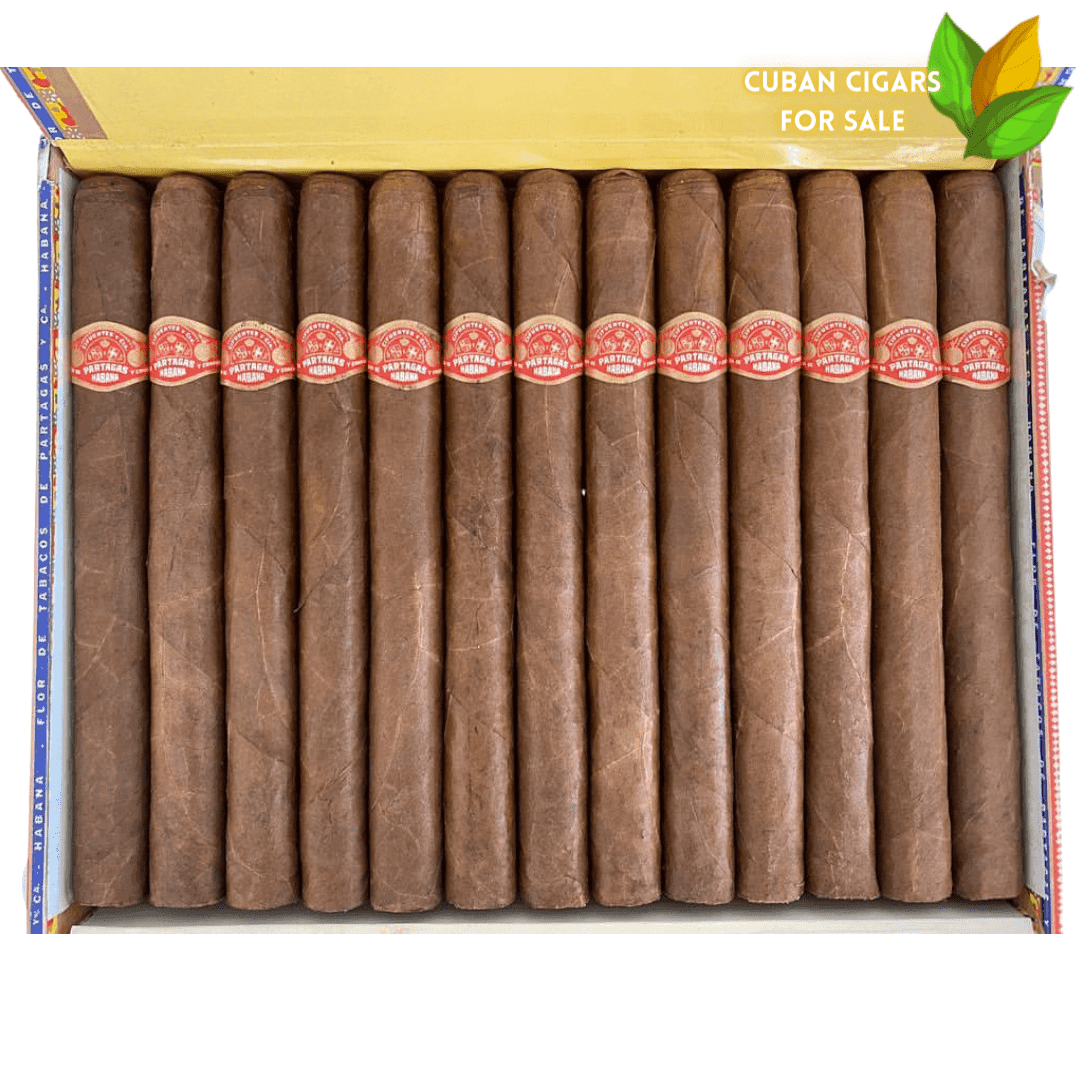
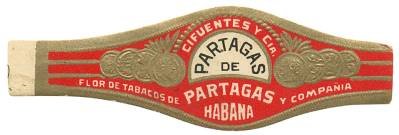
One of the most fascinating aspects of the Partagás de Partagás No.1 lies in its visual transformation over the decades. During the early years of its manufacture, this particular vitola displayed a distinctive band that set it apart from other offerings in the Partagás lineup. This special identifier remained in place until approximately 1980, when the brand transitioned to the standard Partagás band A design. This shift reflects how Cuban cigar manufacturers often refined their visual presentation while maintaining the internal excellence that made their products legendary.
The discontinuation in 2006 signaled the end of a long-running format that had faithfully served smokers for generations. For those who managed to acquire these cigars before they vanished from official channels, the Partagás de Partagás No.1 represents both a superior smoking experience and a piece of movable tobacco history.
Technical Specifications
Understanding the physical attributes of this vitola helps appreciate its appeal. Manufactured under the Dalias factory designation, the No.1 measured an impressive 170 millimeters—equivalent to roughly six and three-quarter inches—providing ample length for a leisurely and contemplative smoke. The 43 ring gauge struck a balance between substance and sophistication, allowing the tobacco blend to express itself fully while maintaining an elegant profile.
- Factory Origin: Dalias
- Dimensions: 170 mm length × 43 ring gauge
- Weight: 11.86 grams
- Manufacturing Method: Handmade exclusively
- Presentation: Dress boxes containing 25 cigars
- Production Period: Introduced pre-1960, discontinued 2006
Why Collectors Prize This Vitola
The Partagás de Partagás No.1 occupies a special place in the secondary market, driven by several converging factors. Its pre-1960 heritage places it among the older surviving Cuban cigar formats still encountered in collections. The 2006 discontinuation created an automatic scarcity factor, as no new stock has entered circulation for nearly two decades. Perhaps most significantly, examples bearing the early special band—those manufactured before 1980—command premium prices due to their direct connection to an earlier chapter of Partagás history.
These cigars offer more than mere smoking pleasure; they provide a chronological marker of how Cuban cigar culture has evolved while maintaining core traditions. The skilled torcedores who crafted each No.1 followed techniques passed down through generations, ensuring that every specimen represented the accumulated wisdom of Cuba's tobacco masters.
For the discerning collector, acquiring a well-preserved Partagás de Partagás No.1—particularly one featuring the coveted early band—represents securing a genuine piece of Cuban cigar heritage. As time continues to thin the ranks of these aging vitolas, their significance within the annals of Habanos history only grows stronger.