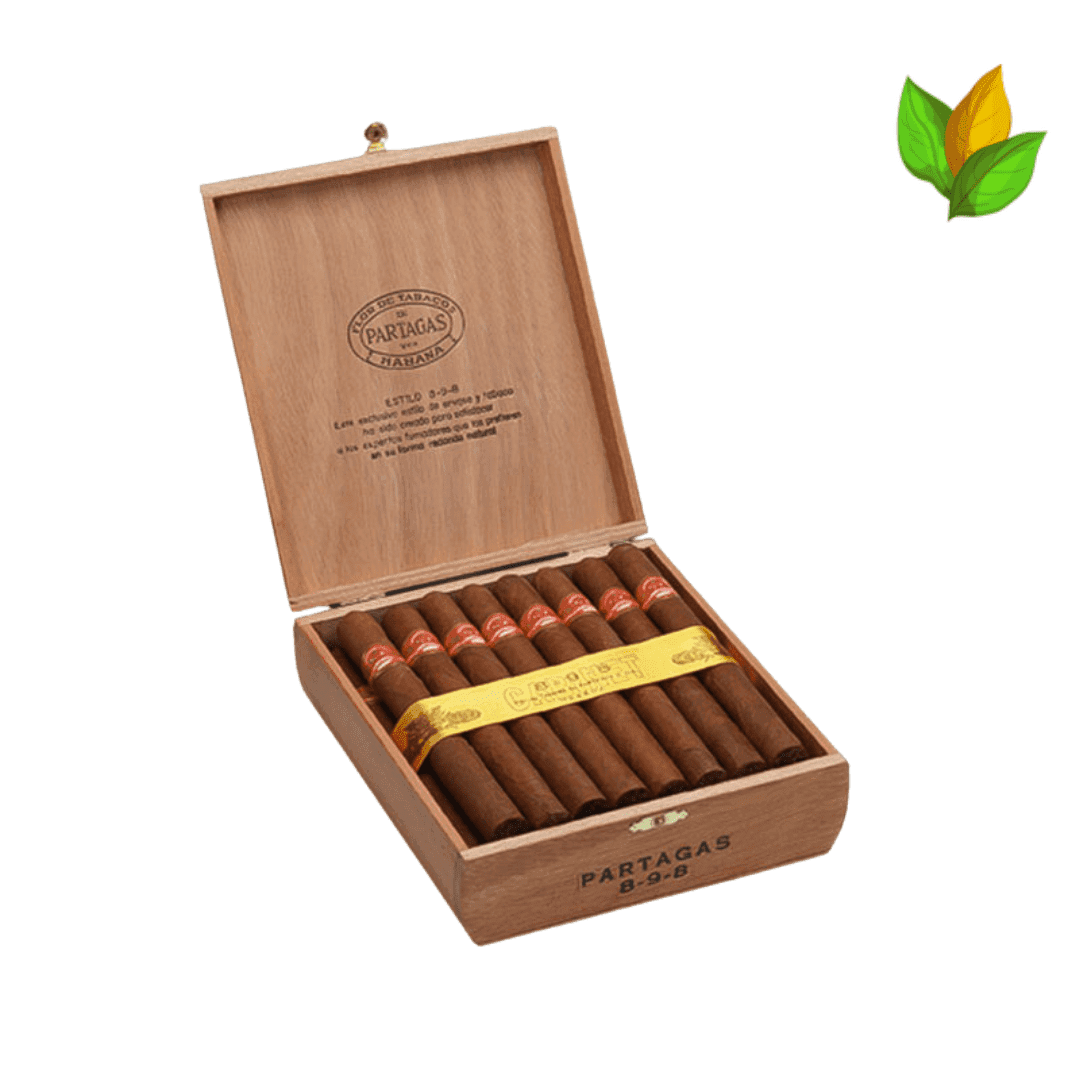
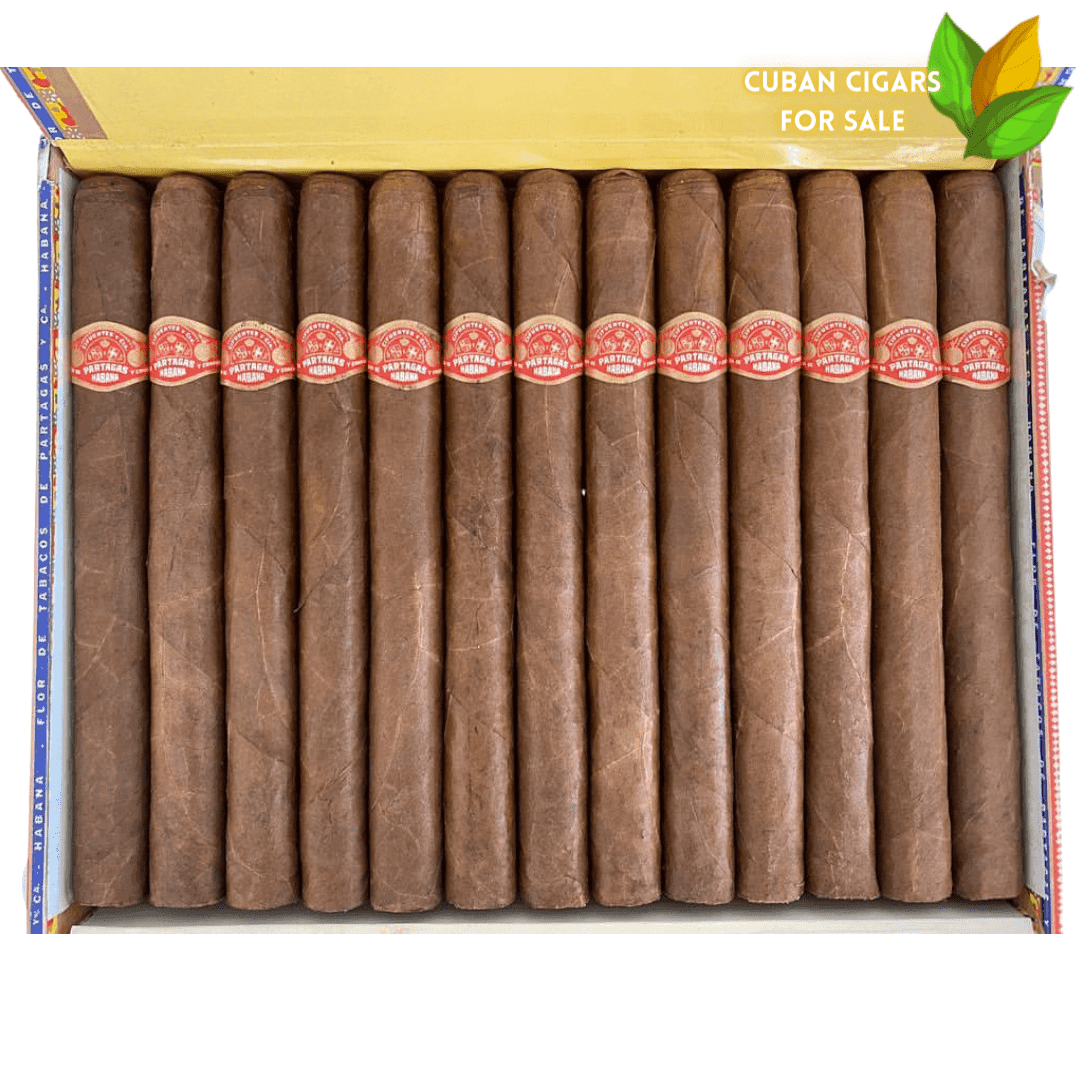
When the world of premium Cuban cigars is discussed, the name Partagás always draws reverence. Among its many celebrated vitolas, one slender, discontinued format stands out in the memories of seasoned smokers and collectors alike: the Partagás Palmas Grandes. Though no longer produced, this elegant stick has retained an almost mythical status, prized for its refined proportions, handcrafted quality, and the way it captured the soul of an earlier Cuban cigar era.

A Glimpse Into Its Past
The Palmas Grandes made its debut well before the social upheavals of the late 1950s, securing its place in the brand’s catalog as a staple of classic Cuban tobacco craftsmanship. For more than three decades—spanning from the late 1950s until its final release in 1990—this vitola was a regular fixture on the shelves of tobacconists around the globe. Its production coincided with a period when Cuban factories were refining the art of hand‑rolling long, thin cigars that appealed to aficionados who treasured a slow, contemplative draw. The discontinuation in 1990 marked the end of an era, leaving the market without a true representation of the slender “lancero” style that once defined many Cuban smoke sessions.
Technical Specifications
Dimensions and Build
- Factory designation: Ninfas
- Ring gauge: 33 (approximately 13 mm)
- Length: 178 mm, which translates to 7 inches
- Weight: 7.07 grams, a weight that reflects its lean profile
- Construction: Fully handmade, ensuring each cigar received the meticulous attention of seasoned rollers
- Band: Standard Partagás “Band A,” a simple yet recognizable label that adorned the foot of each stick
- Packaging: Dress boxes holding 25 cigars, preserving them in a classic presentation that echoed the brand’s heritage
Design Philosophy
The combination of a 33‑ring gauge and a generous 7‑inch length positioned the Palmas Grandes firmly in the “lancero” category. This elongated, thin silhouette encourages a cool, steady burn that gradually unveils the layered flavors of the Partagás blend. The handmade approach meant each cigar could be individually calibrated, a practice that contributed to the consistent draw and combustion that enthusiasts praised.
Smoking Experience and Flavor Profile
Lighting a Palmas Grandes reveals a progression that many describe as a journey through the heart of Cuban tobacco. The initial puffs are typically mild, delivering subtle notes of earth and dried fruit that gently awaken the palate. As the burn advances, the smoke thickens, unveiling deeper tones of cedar, espresso, and a faint sweetness reminiscent of aged wood. The slow combustion—favored by aficionados who enjoy a lengthy smoking session—allows these nuances to unfold gradually, inviting the smoker to savor each phase without rush.
The cigar’s slender shape also influences the draw resistance, offering a slightly firmer pull than thicker vitolas. This characteristic is often seen as a hallmark of the classic lancero format, demanding patience and encouraging a meditative smoking rhythm. For those who appreciate a refined, less‑in‑your‑face experience, the Palmas Grandes provides a sophisticated alternative to the more robust, box‑pressed cigars of later decades.
Collectibility and Modern Legacy
In the years since its discontinuation, the Palmas Grandes has become a sought‑after artifact among collectors. Its limited availability—confined to the three‑decade production window—makes surviving boxes rare, and well‑preserved specimens command premium prices at auction and specialty shops. Enthusiasts who were fortunate enough to smoke these cigars during their heyday often recount the experience with a mix of nostalgia and reverence, describing the smoke as a snapshot of Cuban cigar artistry before mass‑market trends reshaped the industry.
Today, the vitola endures in memory and in the stories of those who champion traditional Cuban craftsmanship. While no new boxes will emerge from Cuban factories, the Palmas Grandes lives on through secondhand markets, trade shows, and the passionate community that continues to celebrate its unique place in cigar history. For collectors seeking a tangible link to an era when slender, hand‑rolled cigars defined sophistication, the Partagás Palmas Grandes remains an iconic prize.