For smokers seeking a reliable daily companion from Havana's most storied factories, the Partagás Mille Fleurs delivers a time-honored experience that has captivated enthusiasts for more than six decades. This diminutive Petit Corona embodies the kind of consistent, approachable character that keeps connoisseurs returning to their local tobacconists, proving that sometimes the most rewarding smokes are those that never demand attention but always reward it.


Specifications and Construction
The Mille Fleurs carries the factory designation Petit Coronas, placing it squarely in the classic small corona category that has defined Cuban smoking for generations. Measuring 129 millimeters with a 42 ring gauge, this vitola fits comfortably in the hand and burns evenly from start to finish. Each stick weighs approximately 8.46 grams, a weight that balances portability with substance.
After beginning life as a machine-made product, this particular Partagás underwent a significant transformation around the early 2000s when production shifted entirely to handcrafting methods. This transition, completed roughly around 2002, elevated the Mille Fleurs from a competent everyday smoke to something approaching artisanal quality while retaining the accessible price point that has always defined its appeal. The construction now reflects the meticulous standards of Cuban torcedores, with the implementation of standard band designs distinguishing the A and B variants.
Available Presentations
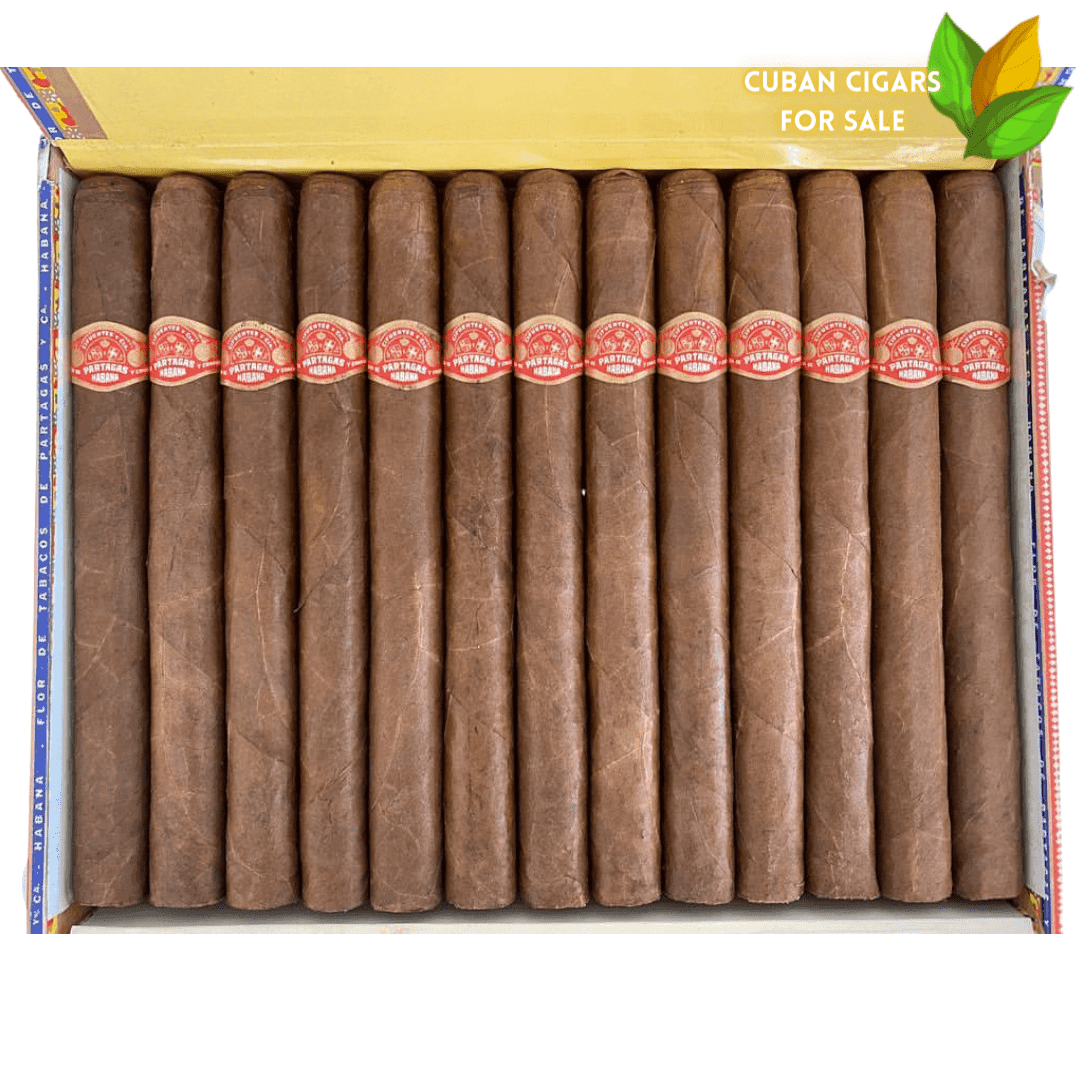
Tobacconists and collectors will find the Mille Fleurs offered in multiple packaging configurations to suit different purchasing preferences. The traditional dress box appears in both ten-count and twenty-five-count varieties, with cellophane-encased options available for those who prefer additional protection during storage and transport. For retail display purposes, the twenty-five count display box breaks down into five cardboard packs of five cigars each, facilitating both inventory management and point-of-sale convenience. This flexibility in presentation ensures that whether purchasing for personal consumption or as a gift, buyers can select the format that best matches their needs.
Tasting Profile
Community assessments drawing from over a hundred smoker evaluations assign this Partagás an overall score of 3.41 out of 5, reflecting its role as a dependable middle-tier offering rather than a showpiece concentrate. The flavor architecture centers on a peppery foundation that announces itself prominently throughout the smoke, supported by secondary notes of leather and baking spice that emerge most noticeably in the final third. Wood elements provide structural backbone while subtler undertones of earth, sourdough, and raw tobacco create complexity for those paying close attention.
Beyond the primary characteristics, experienced smokers report detecting hints of cocoa, cedar, chocolate, and occasionally cinnamon, with floral nuances appearing intermittently depending on individual palates and aging conditions. Several reviewers specifically noted a distinctive twang that adds personality without overwhelming the blend's balanced nature. The strength registers as moderate, allowing for daytime enjoyment without the intensity that might preclude it from morning or professional settings.
Performance metrics from enthusiast reviews reveal a nuanced profile: elegance scores lowest at 2 out of 5, reflecting the Mille Fleurs' unpretentious character rather than any flaw in construction. Balance, strength, and aftertaste each achieve a solid 3, indicating that while complexity rates similarly low at 2, the smoke delivers its promises reliably without significant deviations from the intended profile.
Historical Significance
The Mille Fleurs occupies a unique position in Cuban cigar heritage as one of the few continuously produced Partagás vitolas that predates the revolution. Launched before 1960, it has survived economic upheavals, embargoes, and shifting consumer preferences to remain in active production for over sixty years. Its evolution from machine manufacturing to handmade construction mirrors broader industry trends toward artisanal authenticity, and this adaptation has allowed the blend to refine its character while preserving the essential qualities that originally earned it a devoted following.
Today the Mille Fleurs stands as testament to the enduring appeal of straightforward, honest Cuban tobacco. It asks nothing of its audience except an open mind and perhaps a morning coffee, rewarding attention with gentle complexity that reveals itself gradually rather than demanding immediate recognition.