Partagás Lusitania: Size, Profile and Place in the Brand
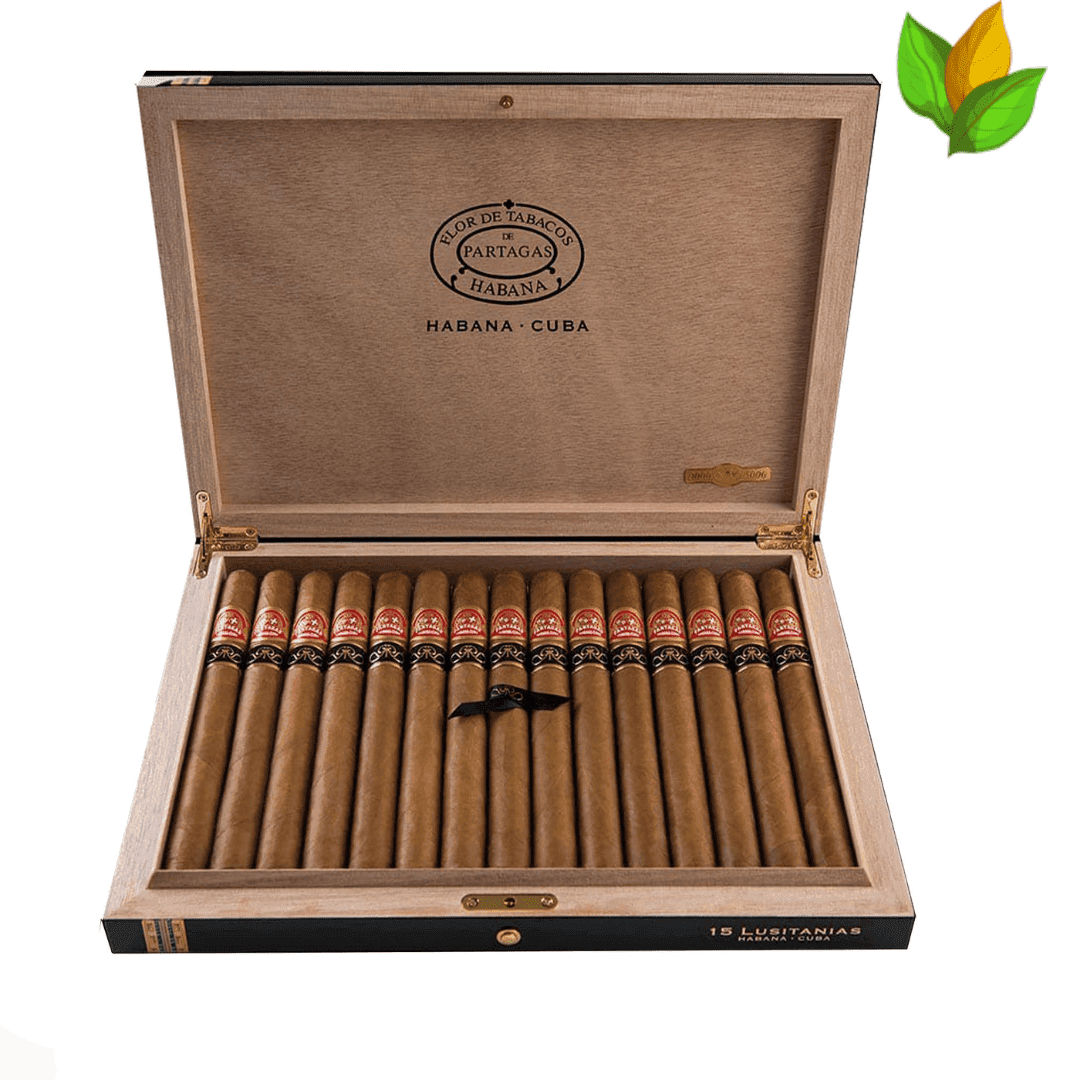
The Partagás Lusitania, listed by Habanos as Lusitanias, is the long double corona of one of Cuba's oldest cigar houses. This guide covers its size, its flavor, and how it relates to better-known Partagás cigars such as the Serie D No. 4. It also clears up a common point of confusion, the Partagas Black Label, which is not a Cuban cigar at all.
Quick facts
| Detail | Information |
|---|---|
| Brand | Partagás (Habanos S.A.) |
| Vitola | Lusitanias (Prominente, a double corona) |
| Length | 7⅝ inches (194 mm) |
| Ring gauge | 49 (19.45 mm) |
| Construction | Handmade, long filler |
| Brand strength | Habanos lists Partagás as full-bodied; reviews of this vitola range from medium to medium-full |
| Brand founded | 1845 |
| Origin of leaf | Vuelta Abajo, Pinar del Río |
The Partagás house in brief
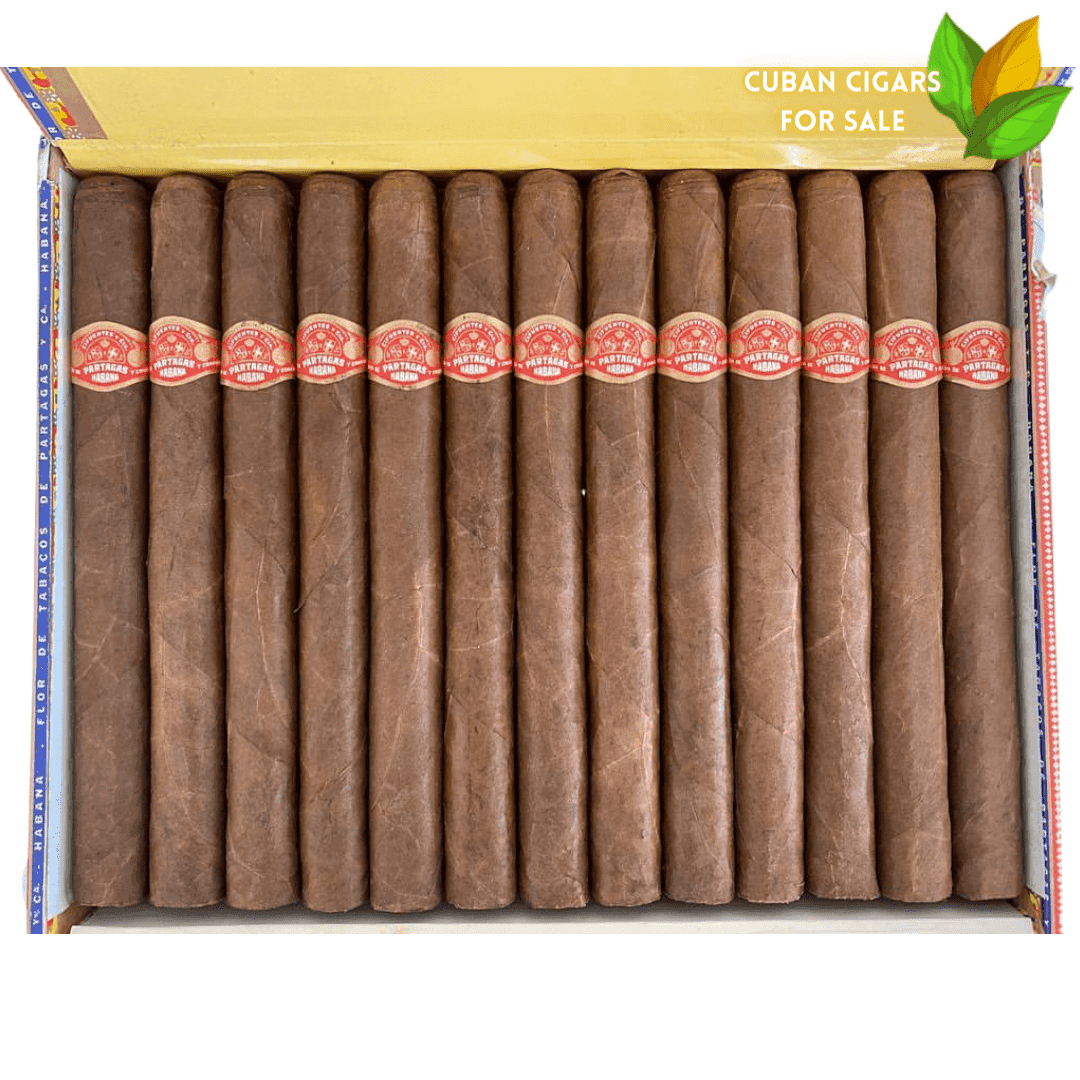
Wikipedia and Habanos both date the Partagás factory to 1845 and credit Don Jaime Partagás, a Catalan born in 1816. The original factory stood on Cristina Street in Havana and later moved to Industria Street, behind the Capitol. Ramón Cifuentes joined the business as a partner in 1899. After the Cuban government took over the factory in 1960, Partagás continued under state control, first through Cubatabaco and later through Habanos S.A. Production moved to a new site at 806 San Carlos Street in early 2012, according to Wikipedia and Habanos.
Habanos describes the Partagás character as strong and rich, built from Vuelta Abajo leaf.
What is the Lusitanias vitola?
The Lusitanias measures 7⅝ inches by 49 ring gauge, which makes it a long, slim double corona. Habanos says the size was chosen to bring out the richness and aroma of the Partagás blend.
The vitola's early history is not firmly documented. One catalog states that until 1976 the Lusitania was a handmade size called 109 (50 by 184 mm), while the same site gives conflicting release dates for the current format. Treat any specific origin year as provisional.
Lusitanias Gran Reserva
Announced at the 2013 Habanos Festival and in shops from early 2014, the Lusitanias Gran Reserva Cosecha 2007 was the first Gran Reserva from the Partagás brand. It used Vuelta Abajo tobacco from the 2007 harvest, reportedly aged five years. The release was a single run of 5,000 numbered cases of 15 cigars each, which is 75,000 cigars. Ligero leaf came from the San Juan y Martínez district and seco from San Luis.
Flavor and strength
Reviewers describe the Lusitania as earthy, woody and nutty. Different tasters report:
- a slow start with dry woodiness, then nuts, baked pretzel, tea and honey;
- chocolate, spice and leather after the first third.
On strength, one review calls it slightly above medium at the start and medium-full near the end, and says the modern version is smoother than Lusitanias made before 2000. Cigar Aficionado lists strength as medium, while a retailer lists it as full. Scores are around 90 points from Cigar Aficionado and 91 from Cigars Lover.
Some buyers report draw or construction problems on this long format, and one reviewer warns that it demands patience and is not aimed at beginners. A cigar of this length simply asks for time and an unhurried pace.
Lusitanias and Serie D No. 4
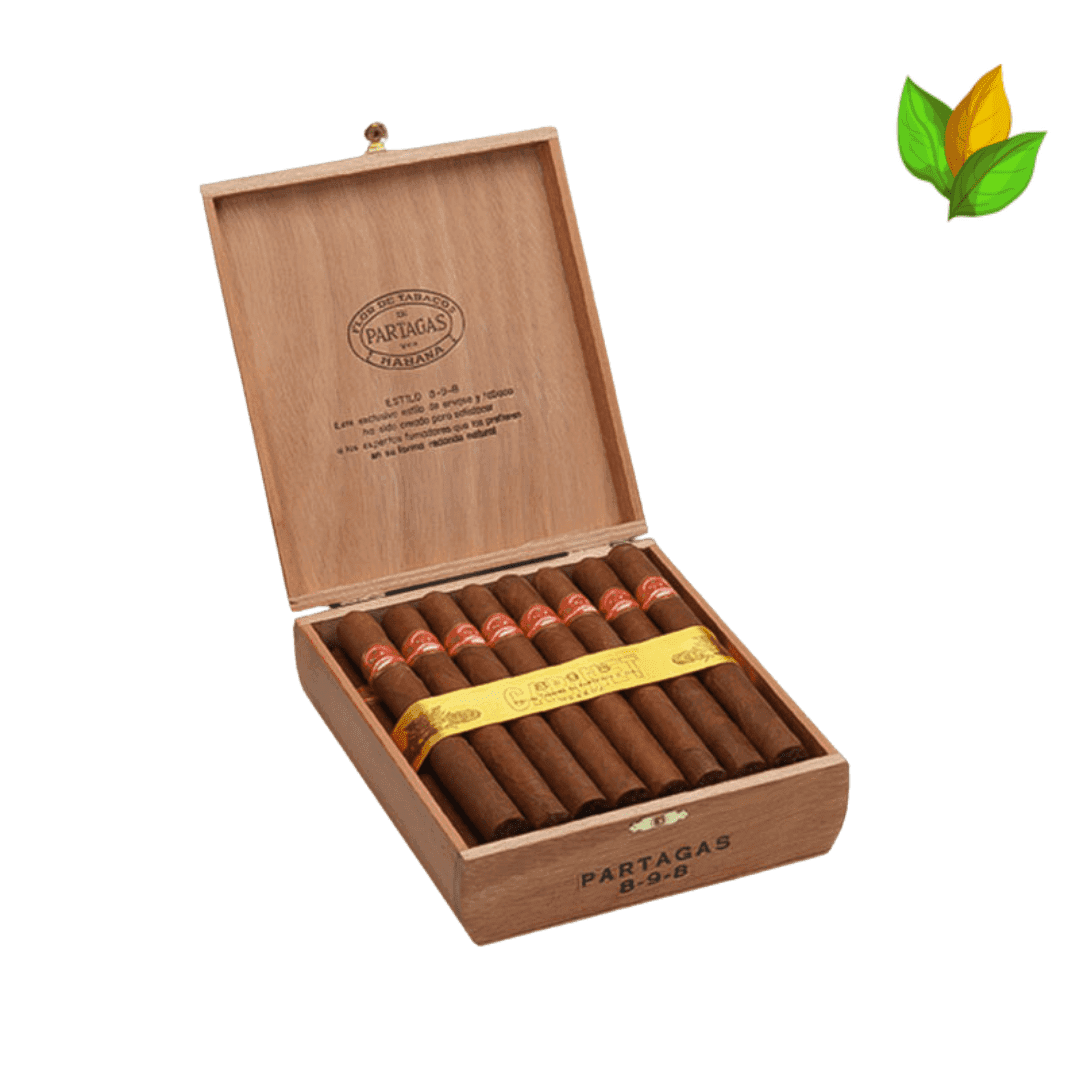
Partagás Serie D No. 4 is a 4⅞ inch by 50 ring gauge robusto. Wikipedia reports it was introduced in 1975 and became widely regarded as the best-selling Cuban cigar in the world. Habanos calls it the brand's best-known vitola.
The two cigars share a house and a rich style but differ in size and use. The Serie D No. 4 is a shorter smoke with a 50 ring gauge, while the Lusitanias is nearly three inches longer with a slightly slimmer 49 ring gauge. If you like the character of the Serie D No. 4 and want a longer sit-down smoke, the Lusitanias offers the same house style in a longer format.
Other Partagás lines
Habanos also lists these Partagás releases:
- Serie D No. 5 (2011) and Serie D No. 6 (2014);
- Serie P No. 2, a pirámide introduced in 2005;
- Serie E No. 2 (2011);
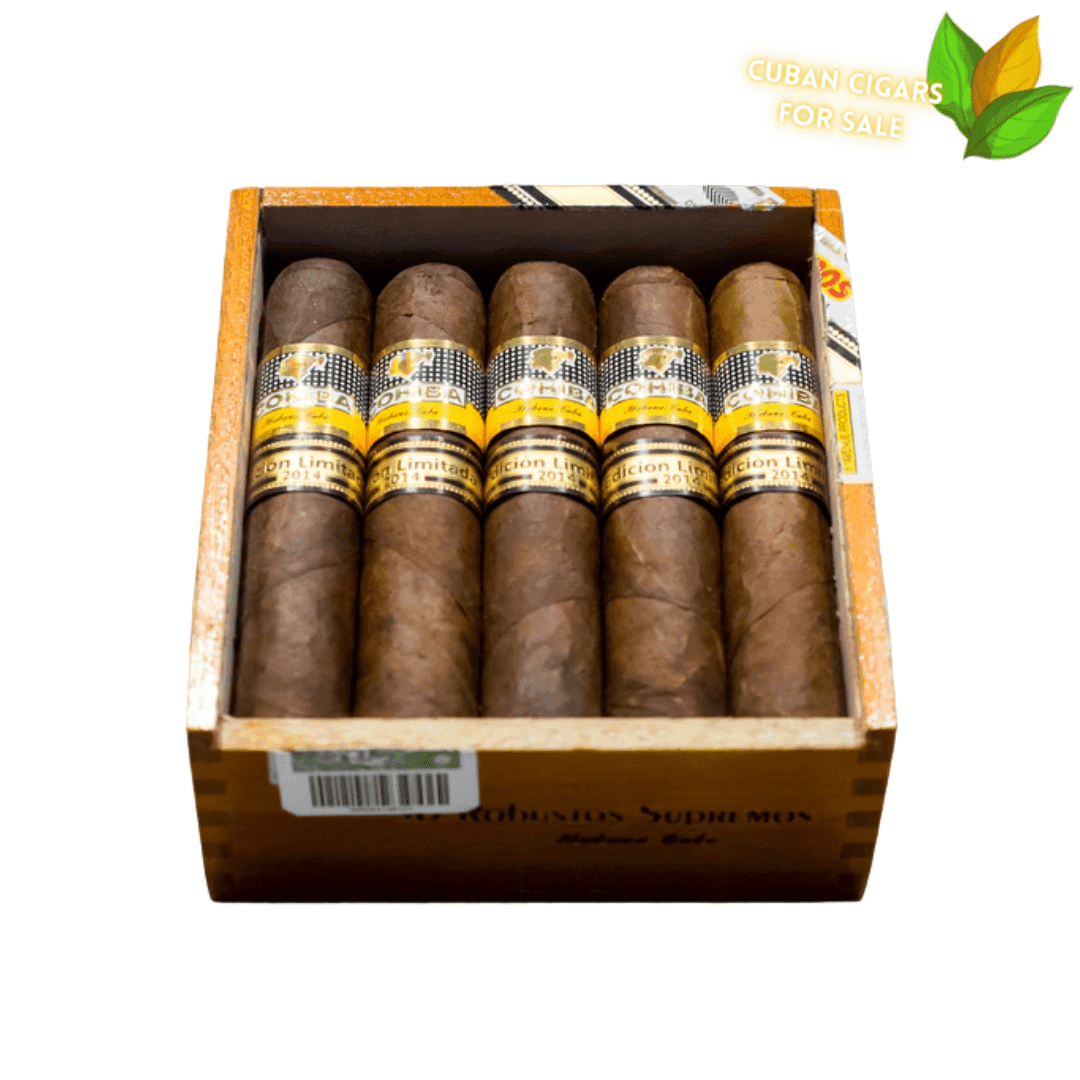
- the Maduro line: Maduro No. 1 (2015), No. 2 and No. 3 (2018);
- Coronas Gordas, added to the aged-cigar concept in 2015.
Partagas Black Label: a different cigar
Partagas Black Label is not a Cuban product. Cigar Aficionado reports that the Cifuentes family and General Cigar agreed in 1974 to make Partagás outside Cuba, first in Jamaica, with the first non-Cuban cigars reaching the market in 1977. Halfwheel describes the result as two separate brands: the Cuban Partagás owned by Habanos S.A., and an American Partagás owned by General Cigar, which is now part of Scandinavian Tobacco Group. Black Label is part of the second group, made in the Dominican Republic with Nicaraguan filler, according to retailer descriptions. Retailers differ on the wrapper and binder, so rely on the manufacturer's specification.
In short, the Lusitanias, Serie D No. 4 and the Maduro line described above are Cuban Habanos products, while Black Label is a non-Cuban cigar that shares only the name.
Buying notes
Import and ownership rules for Cuban cigars depend on where you live, so confirm what is legal locally before you order. Whatever you buy, store it in a properly humidified humidor and look over the construction before smoking.