In the ever-evolving landscape of Habanos, where new lines are introduced with modern flair, there remains a profound reverence for the cigars of yesterday. Among the most lamented departures from the regular production lineup is the Partagás Lonsdales, a slender masterpiece that embodied the very soul of traditional Cuban craftsmanship. For decades, this cigar served as a benchmark for the brand, offering a smoking experience that was both refined and intensely flavorful. Today, it exists only in the humidors of serious collectors and the fading memories of seasoned aficionados, a true lost classic that represents a bygone era of elegance.

A Legacy Cast in Tobacco
The story of the Partagás Lonsdales begins long before the modernization of the Cuban cigar industry. Its roots trace back to the pre-1960 landscape of Havana, establishing it as one of the brand’s most enduring and historic regular production offerings. To smoke one was to connect with the brand's deep heritage, a lineage that spanned over forty years of continuous production.
However, all things must eventually pass. After delighting smokers for generations, the production of this specific vitola came to an end in 2003. Its discontinuation marked a significant shift in the market, signaling a move away from some of the more traditional, thinner formats in favor of the thicker ring gauges that dominate the contemporary palate. Despite its absence from store shelves for two decades, the memory of the cigar remains vivid for those who were fortunate enough to enjoy it during its prime.
The Dimensions of Elegance
To understand why this cigar garnered such a loyal following, one must look closely at its physical construction. The Partagás Lonsdales was built according to the "Cervantes" factory name, a format that is widely revered for its perfect proportions. It stretched a generous 165 mm (or 6½ inches) in length, allowing for a leisurely smoking duration that encouraged contemplation.
The ring gauge measured a slender 42, a stark contrast to the robust 50+ gauge cigars that are popular today. This thinness was not a flaw but a feature; it ensured a concentrated flavor profile and a tighter draw, forcing the smoker to pay attention to the nuances of the smoke. Weighing in at an official 10.80 grams, the cigar was entirely handmade, a testament to the skill of the rollers who could maintain such a consistent shape over a long length. It was a vitola that demanded patience and rewarded precision.
Visual Identity and Packaging
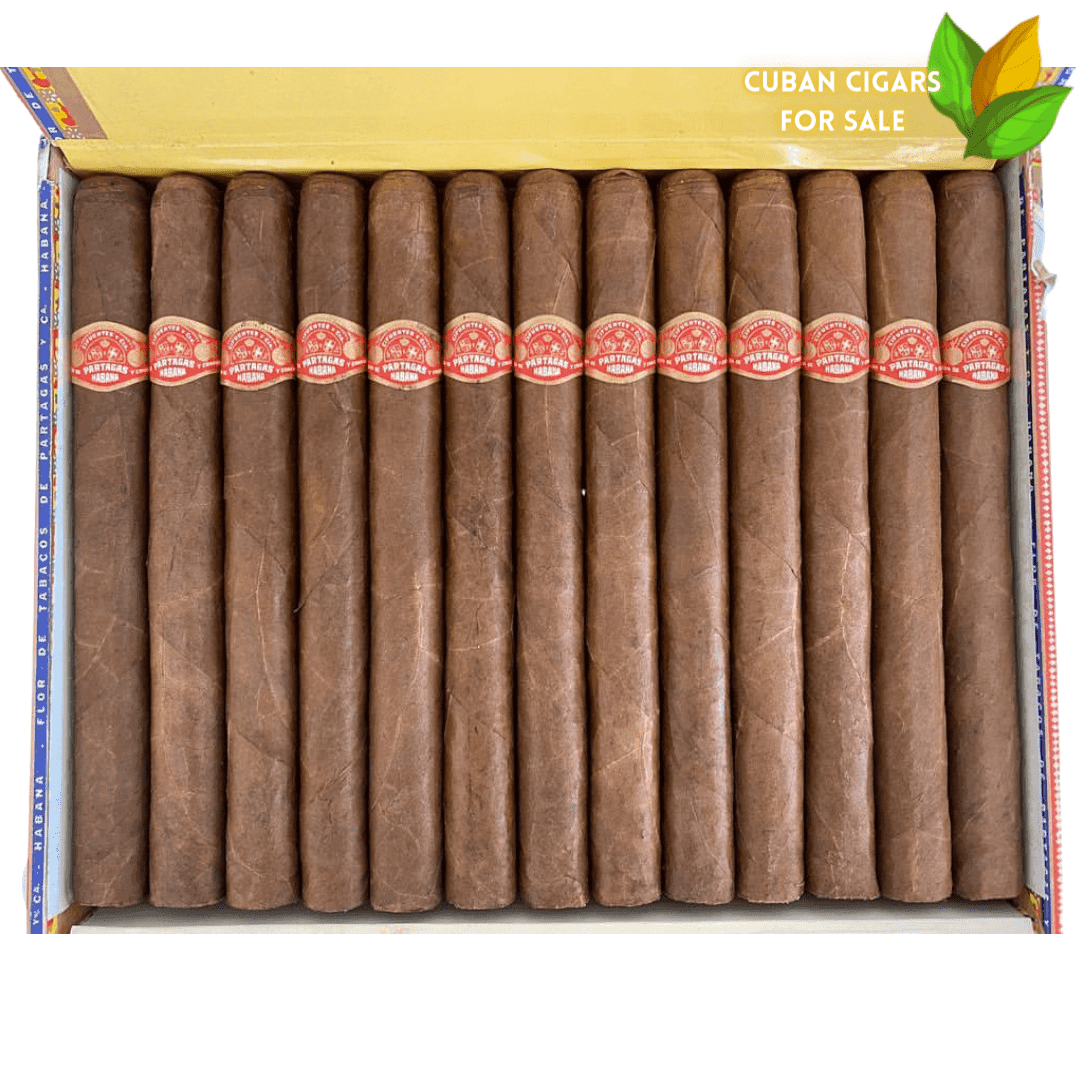
Aesthetically, the cigar was immediately recognizable as a member of the Partagás family. It wore the standard "A" band, the iconic red and yellow label that signals the rich, earthy character inherent to the brand's portfolio. This visual signature served as a stamp of quality that collectors and enthusiasts instantly recognized.
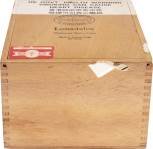
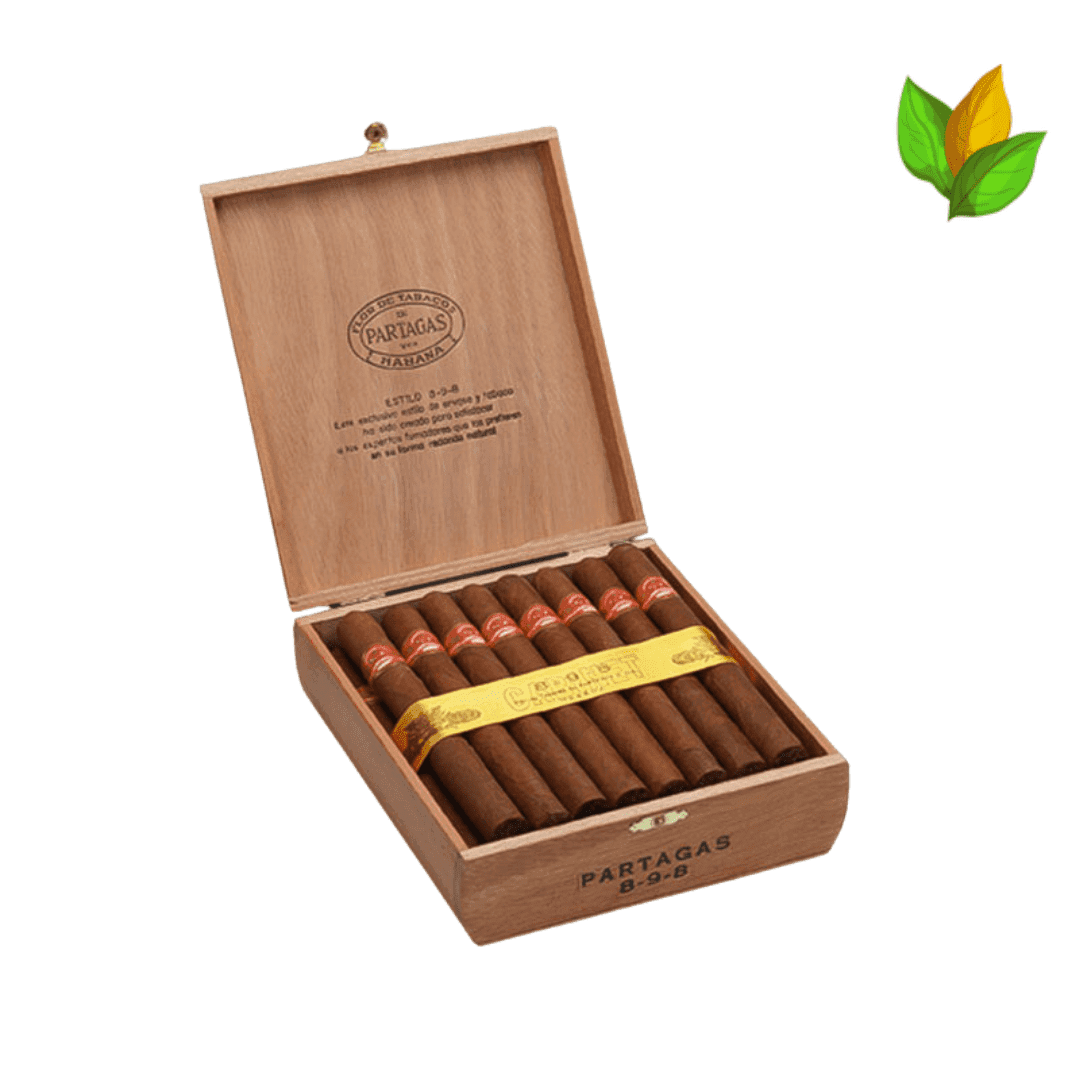
During its production life, the Partagás Lonsdales was offered in two distinct presentation styles, each appealing to different types of consumers:
- The Dress Box: A classic presentation containing 25 cigars, often the choice for those purchasing for immediate consumption or gifting.
- The Slide Lid Cabinet: A more rustic and collectible option, housing 50 cigars. This format was particularly prized by agers, as the cabinet environment often facilitated a superior maturation process.
Both packaging options vanished from the market alongside the cigar itself in 2003, making sealed boxes from this era incredibly rare finds.
A Collector’s Relic
The status of the Partagás Lonsdales has shifted from a retail commodity to a historical artifact. Because it is no longer produced, finding a specimen requires navigating the secondary market, where prices reflect its rarity and age. For the modern smoker, lighting one of these is an exercise in historical preservation. It offers a rare glimpse into what Cuban tobacco tasted like when crafted under the constraints of a different era.
While the specific Partagás interpretation is gone, the "Cervantes" vitola is not entirely extinct. The shape survives through other Habanos brands, keeping the format alive. Yet, there is a distinct difference between the surviving relatives and the departed ancestor. The Partagás version, with its specific blend of filler and wrapper, remains a unique chapter in the brand's history, a cigar that captured the essence of Partagás in a way that no other size quite managed. It stands as a reminder that in the world of luxury tobacco, scarcity often breeds the deepest appreciation.