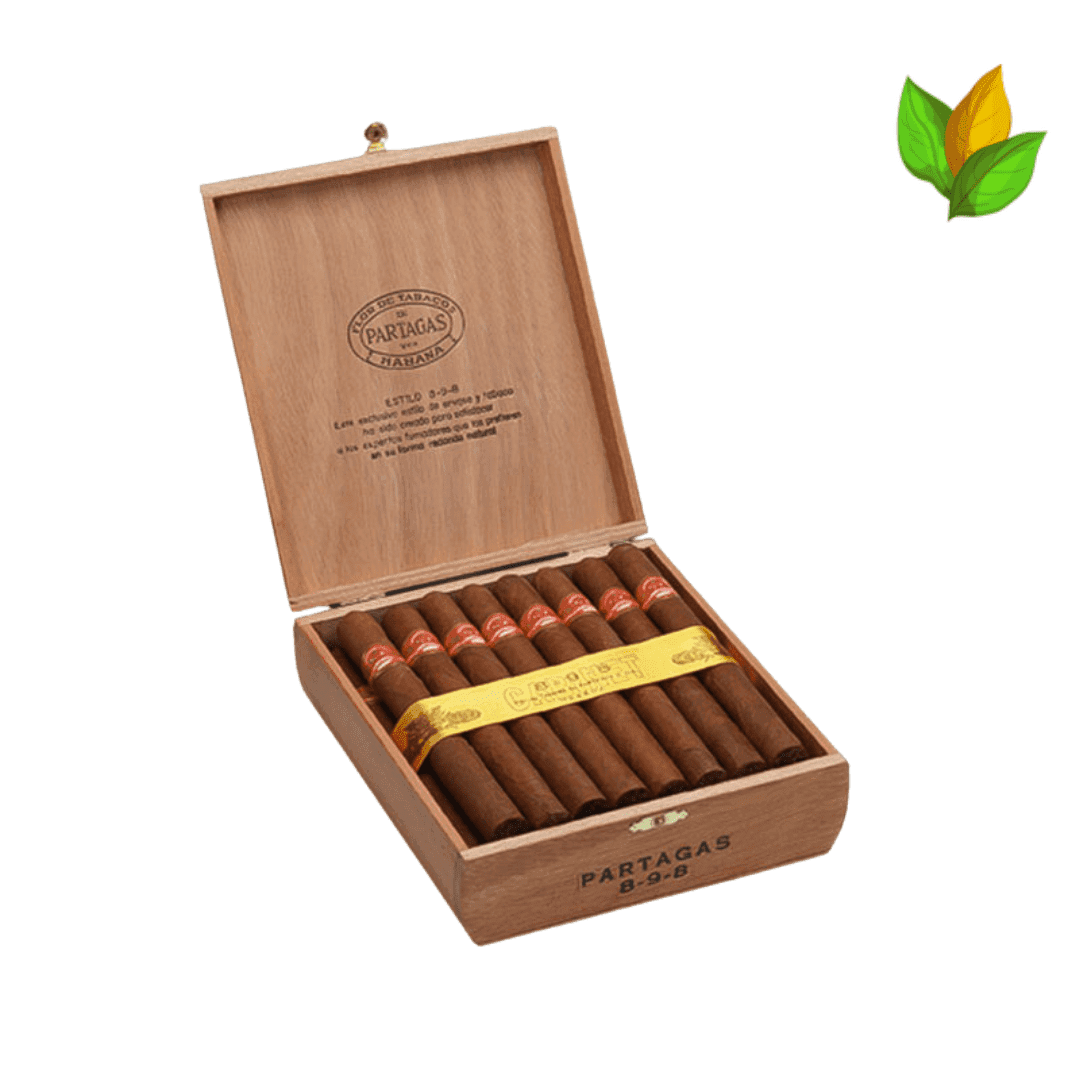
Within the vast and storied annals of Cuban tobacco, few names command as much respect as Partagás. While modern aficionados often obsess over limited editions and grand vitolas, there is a distinct nostalgia attached to the brand's workhorse cigars of the past. The Partagás Londres Extra serves as a perfect case study in this regard—a cigar that spent decades as a reliable staple on humidors shelves before quietly exiting the stage. Though it no longer rolls off the production lines, its legacy offers a fascinating glimpse into the evolution of Havana's most iconic export.

Origins and Historical Context
The narrative of the Londres Extra stretches back to a golden era of Cuban cigar production, with roots planted firmly in the pre-1960 landscape. For well over forty years, this specific vitola served as a steadfast option for smokers who desired the characteristic spice and earthiness of the Partagás brand without the time commitment required by larger formats. It was a fixture of the regular production lineup, representing a practical choice for the everyday enthusiast.
However, all good things must come to an end. The year 2002 marked a significant turning point for the Cuban cigar industry, as Habanos S.A. initiated a sweeping restructuring of its brand portfolios. In an effort to streamline production and modernize their offerings, numerous traditional sizes were retired. The Partagás Londres Extra was a casualty of this consolidation, shifting from a readily available commodity to a discontinued collector's item virtually overnight.
Technical Specifications and Construction
To understand the appeal of the Londres Extra, one must examine its physical attributes. Classified by the factory under the name Petit Cetros, this cigar occupied a unique space in terms of dimensions. It measured 129 mm (approximately 5 1/8 inches) in length and featured a ring gauge of 40. In an era where thick cigars have become the norm, this slender profile harkens back to a more classic aesthetic. The official weight of the cigar was recorded at 7.75 grams, suggesting a density that promised a satisfying smoke.
Perhaps the most defining characteristic of this cigar was its construction. Unlike the hand-rolled masterpieces that dominate the premium market today, the Londres Extra was a machine-made product. This method of manufacturing ensured a high degree of consistency in draw and burn, offering a reliable experience for the consumer. It allowed the brand to provide the Partagás flavor profile at a more accessible price point, embodying the working-class heritage that the brand has long cherished.
The presentation adhered to the traditional visual language of the marque. It utilized the Standard band A, ensuring that even though it was a value-oriented option, it carried the distinguished markings that identified it as a legitimate member of the Partagás family.
Packaging Variations
Throughout its tenure in the catalog, the Partagás Londres Extra was distributed in a diverse array of packaging formats. This variety allowed retailers and consumers flexibility in how they purchased and stored the cigars. The discontinuation in 2002 saw most of these options vanish from shelves simultaneously, though some formats were introduced later in the production run than others.
The primary packaging configurations available over the years included:
- Cardboard packs of 5: Available both with cellophane wrapping and without, offering a convenient travel option.
- Dress boxes of 25: The standard bulk option, also found in both wrapped and unwrapped variations.
- Dress boxes of 10: A later addition to the lineup, providing a middle ground for buyers not ready to commit to a full box of 25.
The Modern Legacy
Today, the Partagás Londres Extra exists primarily in the memories of seasoned smokers and the inventory of serious collectors. Its transition to discontinued status has elevated it from a daily smoker to a piece of history. For those studying the trajectory of the Partagás brand, this vitola serves as an important marker. It represents a time when machine-made cigars were a respected and integral part of the Cuban cigar ecosystem, rather than an afterthought.
The demise of the Londres Extra signals a broader shift in consumer habits and manufacturing philosophies within Cuba. While the slender, machine-rolled format may have fallen out of favor in the modern luxury market, the cigar remains a testament to the enduring appeal of the Partagás blend. It stands as a reminder of a simpler era in tobacco consumption, where consistency and value were paramount, and the "Extra" in the name promised just a little bit more than the ordinary.