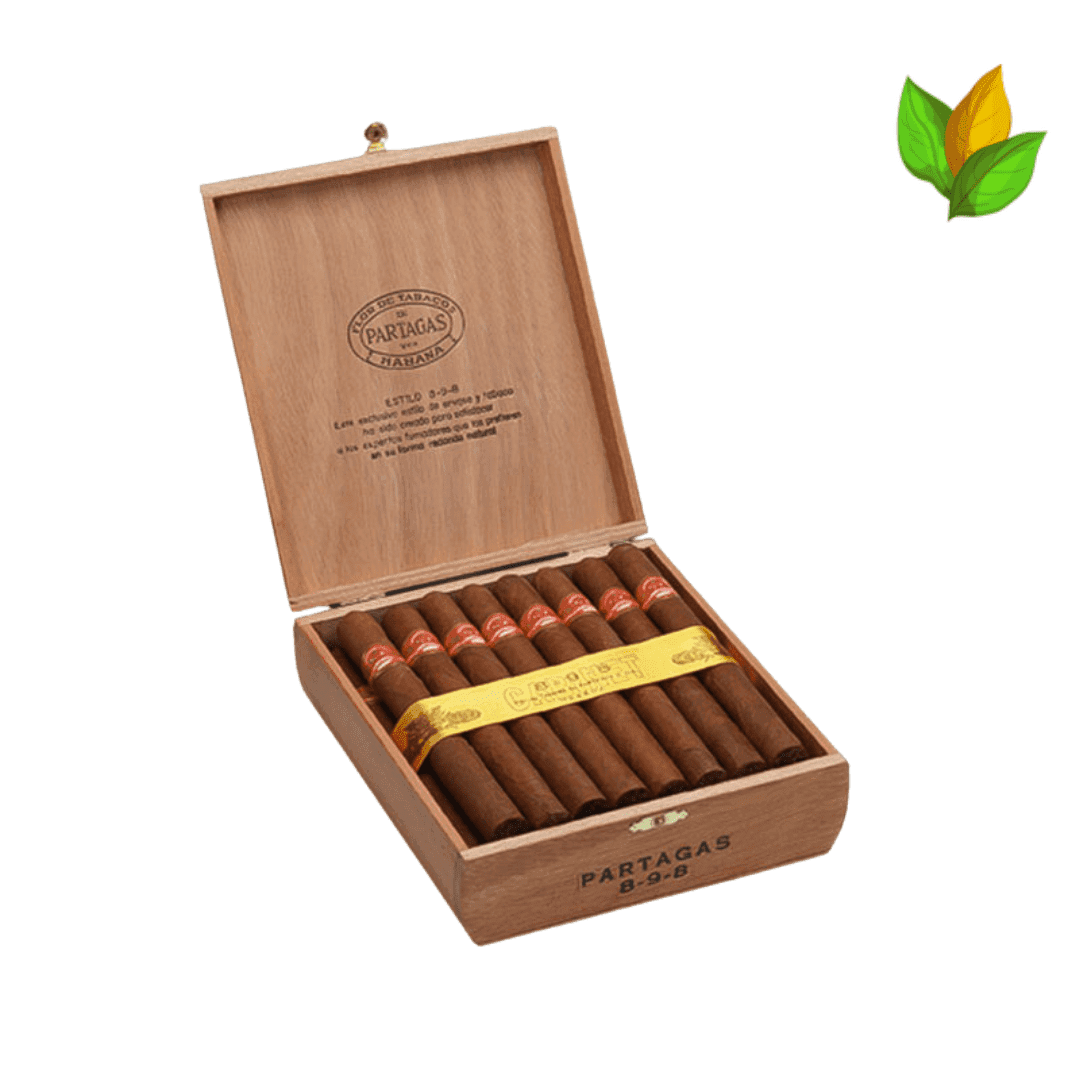
For more than four decades, a modest yet memorable smoke held its ground in the humidified boxes of tobacconists around the world. The Partagás Londres en Cedro represented a fascinating chapter in Cuban cigar manufacturing—a period when machine production met artisanal traditions to create an accessible yet distinctive smoking experience. Though its flame was extinguished in 2002, this particular vitola continues to captivate collectors and historians drawn to the legacy of Havana's legendary factories.

A Glimpse into Partagás History
The Partagás brand stands among the most prestigious names in Cuban tobacco heritage. Established in the heart of Havana, this historic house built its reputation on producing handcrafted premium cigars that appealed to connoisseurs seeking rich, full-bodied flavors. However, Partagás also recognized the demand for consistent, moderately priced smokes that could be enjoyed daily without compromising quality. The Londres en Cedro emerged as an answer to this market need, representing the brand's venture into machine-manufactured vitolas during an era when such production methods were becoming increasingly sophisticated.
Unlike the entirely hand-rolled creations that made Partagás famous, this particular line embraced industrial efficiency while retaining certain handcrafted elements—most notably its signature cedar wrapping that set it apart from standard production cigars.
Understanding the Vitola
The Londres en Cedro carried the factory designation "Petit Cetros," a name that referenced its slender proportions and modest dimensions. Measuring 129 millimeters—approximately five and one-eighth inches—in length with a 40-ring gauge, this corona-sized vitola occupied a comfortable middle ground between petite panatelas and longer parejos. The official weight settled at 7.75 grams, making it a lightweight contender in the Partagás catalog.
What truly distinguished this smoke, however, was its construction methodology. While the majority of the cigar was produced using mechanized rollers that ensured uniformity across millions of units, each stick received a hand-applied wrapper fashioned from thin cedar leaf. This veneer of Spanish cedar—distinct from the cedar planks used in humidors—bestowed a subtle aromatic dimension to the smoking journey. As the leaf burned slowly alongside the tobacco core, it released delicate woody undertones that complemented the inherent flavors of the Cuban filler blends.
The exterior presentation remained faithful to the brand's visual identity, featuring the standard band A that adorned countless Partagás releases throughout the twentieth century. This consistency in branding helped maintain consumer recognition even as the specific vitola evolved through various packaging iterations.
Market Availability and Packaging
Throughout its extensive production run spanning from the pre-revolutionary era through 2002, the Londres en Cedro appeared in several distinct configurations designed to accommodate diverse purchasing preferences. Collectors and retailers documented multiple formats entering the market, including dress boxes containing twenty-five individual cigars—available both with and without protective cellophane wrapping. Smaller quantities of ten-count dress boxes also entered circulation, with some sealed in cellophane for enhanced preservation during storage and transport.
This flexibility in packaging reflected Partagás' understanding of varying customer needs. Some smokers preferred the convenience of cellophane protection during travel or display, while others argued that direct tobacco-to-humidor contact yielded superior aging characteristics. By offering both options, the brand demonstrated responsiveness to consumer feedback and market trends.
The Final Chapter and Enduring Legacy
The year 2002 marked the official retirement of the Londres en Cedro from Partagás' active catalog. This discontinuation signaled the end of a production line that had weathered remarkable transformations in Cuban cigar manufacturing, including the nationalization of tobacco industries and the subsequent emergence of Habanos S.A. as the exclusive global distributor of Cuban premium cigars. Despite its machine-made origins, the cedar-wrapped vitola had maintained surprising longevity in an increasingly competitive marketplace.
Today, surviving examples of the Londres en Cedro have become treasured items among enthusiasts who appreciate vintage Cuban productions. These cigars offer tangible connections to an earlier era when the boundaries between industrial and artisanal craftsmanship remained fluid. While contemporary smokers may never experience the specific flavor profile this discontinued format once delivered, its story endures as an important footnote in the broader narrative of Cuban tobacco culture.