When the conversation turns to iconic Cuban cigar houses, Partagás inevitably comes up with its reputation for bold, earthy blends. Yet tucked within that storied portfolio is a slimmer vitola that has quietly carved out its own niche. The Partagás Habaneros offers a different pacing—moderate body, a focused smoke, and a heritage that stretches back well before the modern era. This review follows the cigar’s journey from its early machine‑made days to its current fully‑handmade status, breaks down its construction details, and examines the flavors that have earned it a modest but steady fan base.


Heritage and Production Evolution
Partagás has been a fixture of the Cuban tobacco landscape since the early twentieth century, and the Habaneros is one of its oldest surviving sizes. It first appeared on the market prior to 1960, a time when many Cuban cigars were still being produced by machines to meet growing demand. For decades, the Habaneros rolled off automated lines, a common practice that kept prices accessible and supply steady.
A pivotal shift occurred around 2002, when the brand transitioned the Habaneros to a fully handmade process. This change elevated the cigar’s status, aligning it with the artisanal ethos that many aficionados prize in premium Cubans. The move also created a clear divide in the cigar’s history: earlier, machine‑made examples are now sought after by collectors, while the contemporary handmade version aims to deliver a more refined smoking experience.
Construction and Technical Specifications
The Habaneros is presented under the vitola name “Habaneros,” while the factory designation is “Belvederes.” It measures 125 mm (4 ⅞ inches) in length with a ring gauge of 39, giving it a slender profile that concentrates the wrapper’s influence throughout the burn. The official weight sits at 6.43 g, confirming its light yet solid feel.
- Vitola: Habaneros
- Factory Name: Belvederes
- Length: 125 mm (4 ⅞ in)
- Ring Gauge: 39
- Weight: 6.43 g
- Construction: Handmade
- Band: Standard
- Status: Current regular production
- Original Release: Pre‑1960
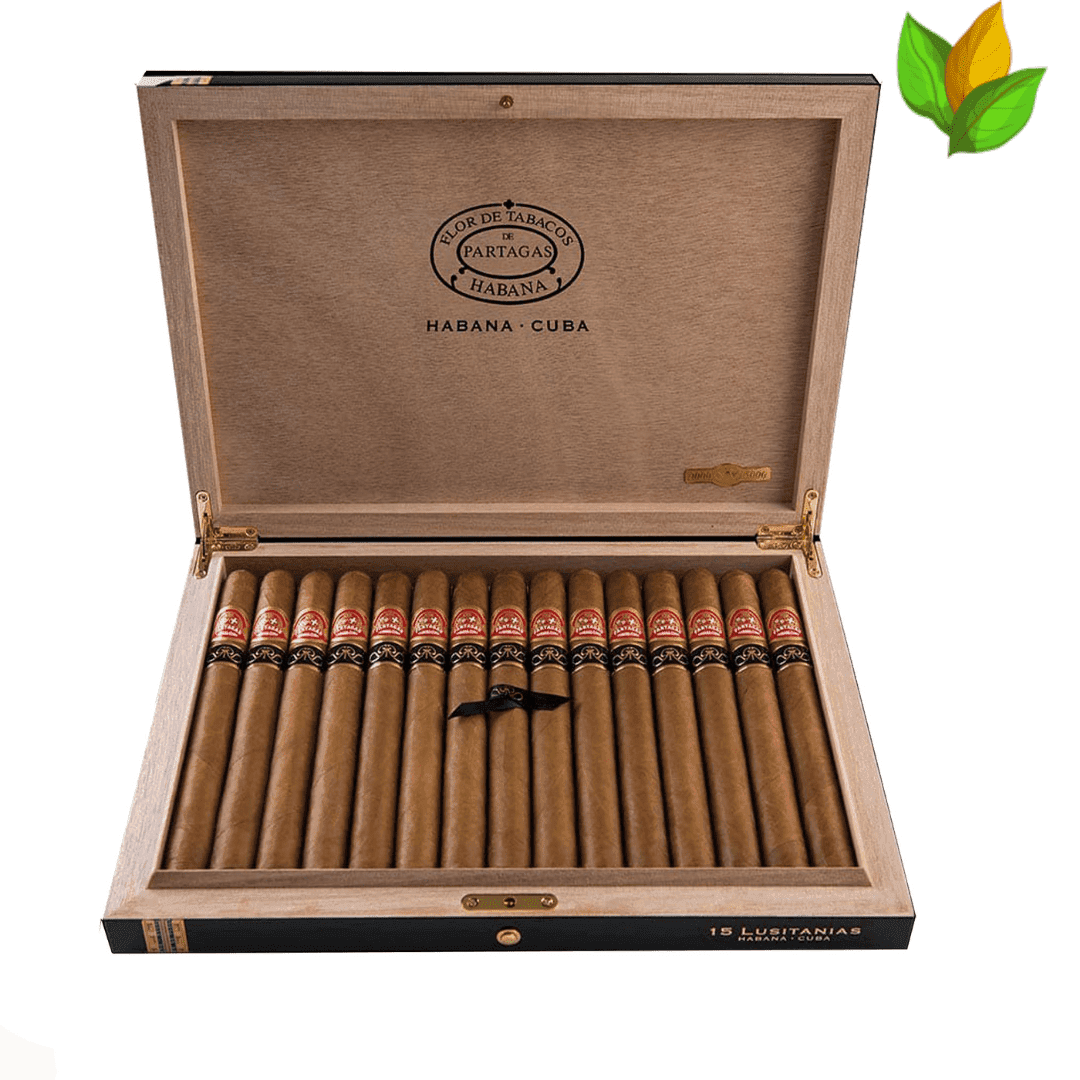
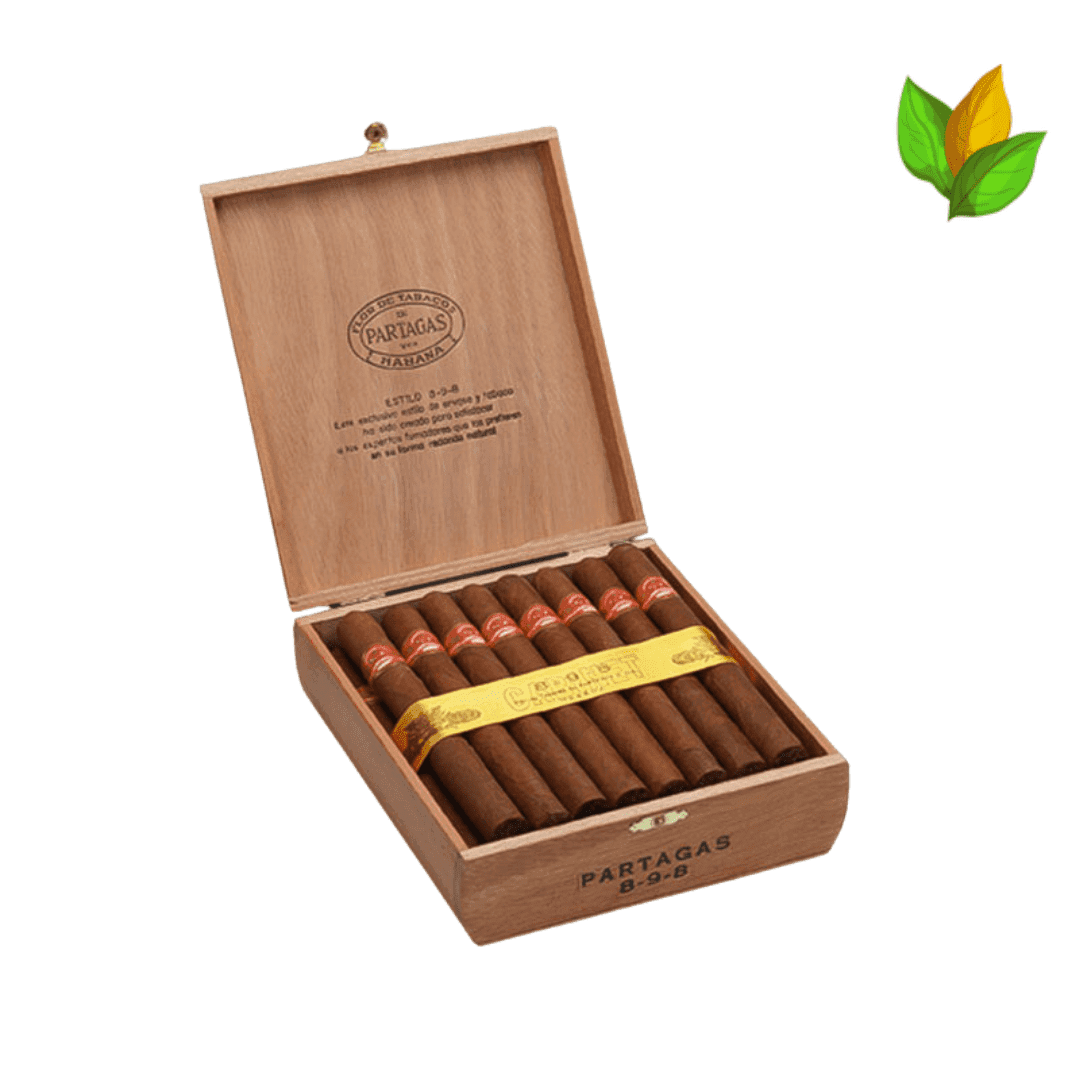
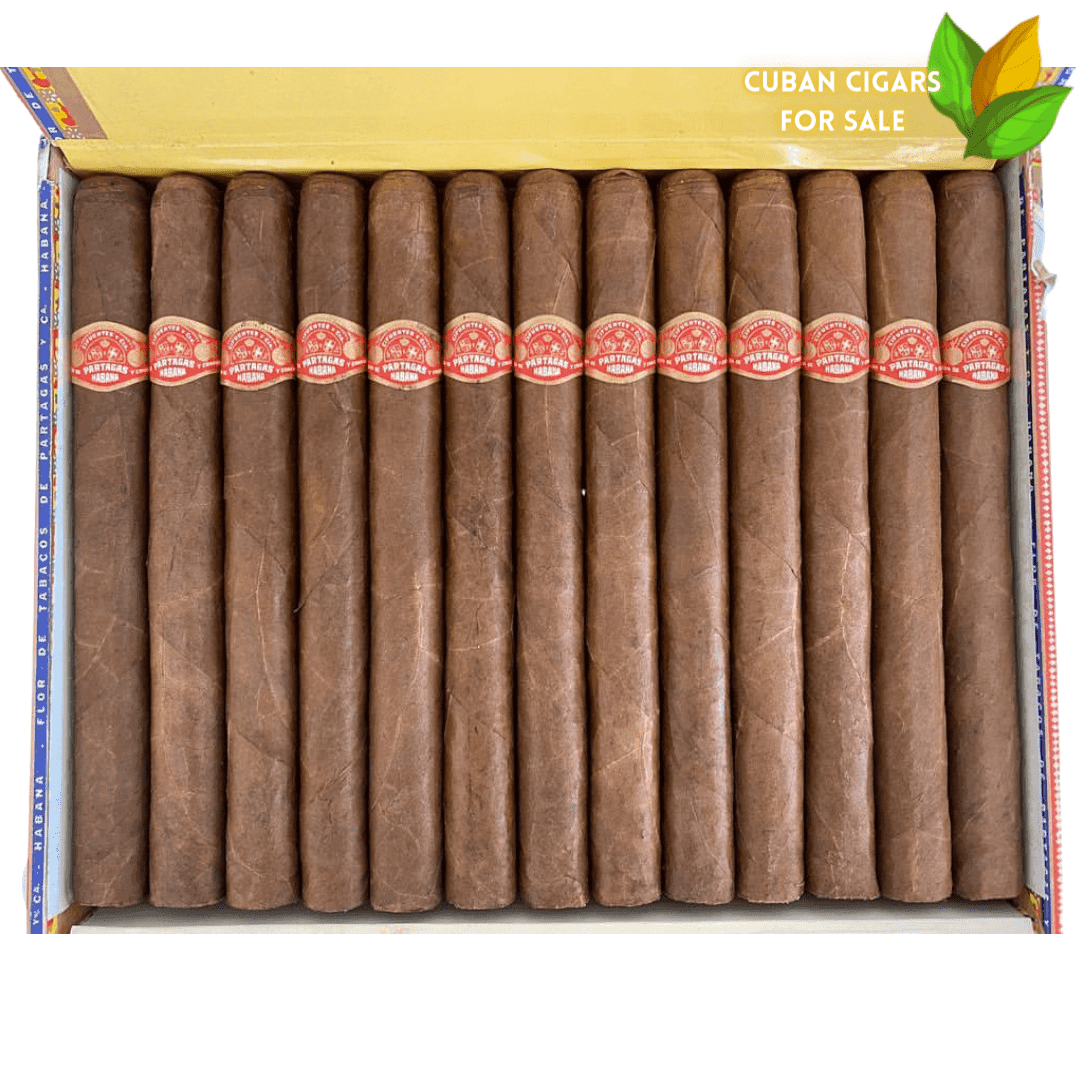
Packaging options have evolved over time. Today, the Habaneros can be found in dress boxes of 25 cigars, either with or without cellophane, and in cardboard packs of five cigars in cellophane. The cardboard five‑pack was discontinued in 2006, leaving the dress box as the primary format for most smokers.
Sensory Profile and Consumer Impressions
Based on aggregated feedback from nine reviewers, the Partagás Habaneros registers as a medium‑bodied smoke that strikes a balanced chord without overwhelming the palate. Its overall rating averages 3.11 out of 5, indicating a reliable but not spectacular performance. The most frequently highlighted characteristic is a lively spice, which serves as the cigar’s signature note.
Common tasting notes reported by smokers include:
- Spice (most common)
- Earth
- Pepper
- Shortbread
- Sourdough
- Twang
When broken down into individual attributes, the Habaneros scores as follows (out of a possible 5):
- Elegance: 2
- Balance: 3
- Strength: 3
- Complexity: 3
- Aftertaste: 3
- Overall: 3.11
The slim 39‑ring gauge ensures that the wrapper’s flavor remains prominent throughout the smoking session, allowing the spice and earth notes to surface early and linger into a subtle, buttery finish. While the cigar lacks the towering complexity of some larger Partagás vitolas, its focused profile makes it an approachable entry point for those looking to explore the brand’s characteristic earthiness and spice without the intensity of a robusto or corona gorda.
Closing Thoughts
The Partagás Habaneros occupies a unique space within the brand’s lineup: a historic, slender cigar that has successfully made the leap from machine‑made origins to a handmade format. Its moderate body, consistent spice, and earth‑forward profile offer a satisfying smoke for both newcomers and seasoned aficionados seeking a lighter, yet still authentically Cuban, experience. With its current regular production status and availability in practical packaging options, the Habaneros remains a viable choice for anyone wanting to sample a piece of Partagás heritage without committing to a larger, more robust vitola.