For the serious aficionado, the pursuit of vintage Cuban cigars is often less about the smoke itself and more about preserving a tangible piece of history. Among the most elusive artifacts from Havana’s golden age is the Partagás Filipos, a format that has long since vanished from production lines. Originating in an era defined by craftsmanship and elegance, this cigar serves as a window into the pre-revolutionary landscape of Cuban tobacco. While the modern market is dominated by robustos and thick ring gauges, the Filipos stands as a reminder of a time when slenderness and finesse were the hallmarks of sophistication.

The Historical Context of a Bygone Era
The story of the Filipos begins well before the seismic political shifts of 1960. Introduced during the height of Cuba’s pre-revolutionary cigar boom, this vitola was a staple of the Partagás regular production lineup. It survived the nationalization of the industry, continuing to roll off the benches for decades before eventually being retired in the 1980s. This timeline makes the cigar a unique hybrid of sorts—a bridge connecting the private enterprise of the past with the state-run production of the post-revolutionary period. Finding a box today is akin to uncovering a time capsule, offering a flavor profile that reflects the agricultural practices of a previous generation.
Technical Specifications and Dimensions
Modern smokers accustomed to 50-plus ring gauges often find the dimensions of the Filipos surprising, yet it is precisely these measurements that define its character. In the factory nomenclature, this shape was known as the Placeras, a name that evokes a specific tradition of sizing within the Cuban catalog.
- Dimensions: The cigar measures 125 mm (approximately 4 7/8 inches) in length.
- Ring Gauge: It features a slender 34 ring gauge, a stark contrast to the thicker formats popular today.
- Weight: Each unit was officially weighed at 5.27 grams, ensuring consistency in the hand-rolling process.
- Construction: Entirely handmade, adhering to the rigorous standards of the Partagás brand.
This thin profile necessitates a slow, deliberate burn, allowing the smoker to pick up on nuanced flavor transitions that might be lost in a wider, faster-burning cigar.
Aesthetics and Packaging
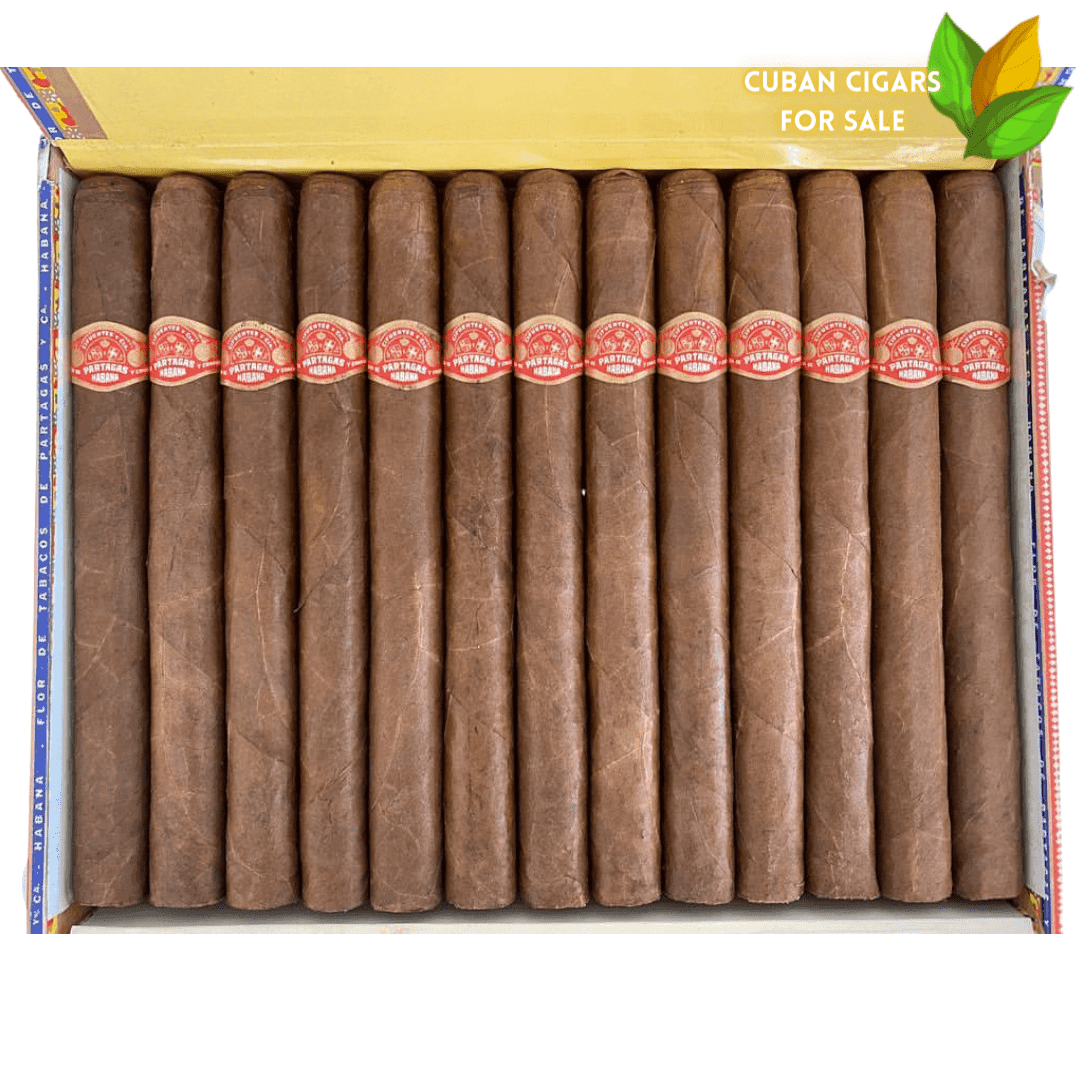
Visual presentation is a critical component of the luxury cigar experience, and the Filipos did not disappoint. The cigar was adorned with the standard Partagás "A" band, a design element that immediately signals the brand’s heritage and prestige. The presentation was completed in dress boxes containing 25 cigars, a classic packaging method designed to entice the eye and protect the delicate tobacco within. For collectors, the condition of the band and the box is paramount; finding a well-preserved dress box is a significant score, as the packaging itself tells a story of mid-20th-century graphic design and marketing.
The Smoking Experience and Legacy
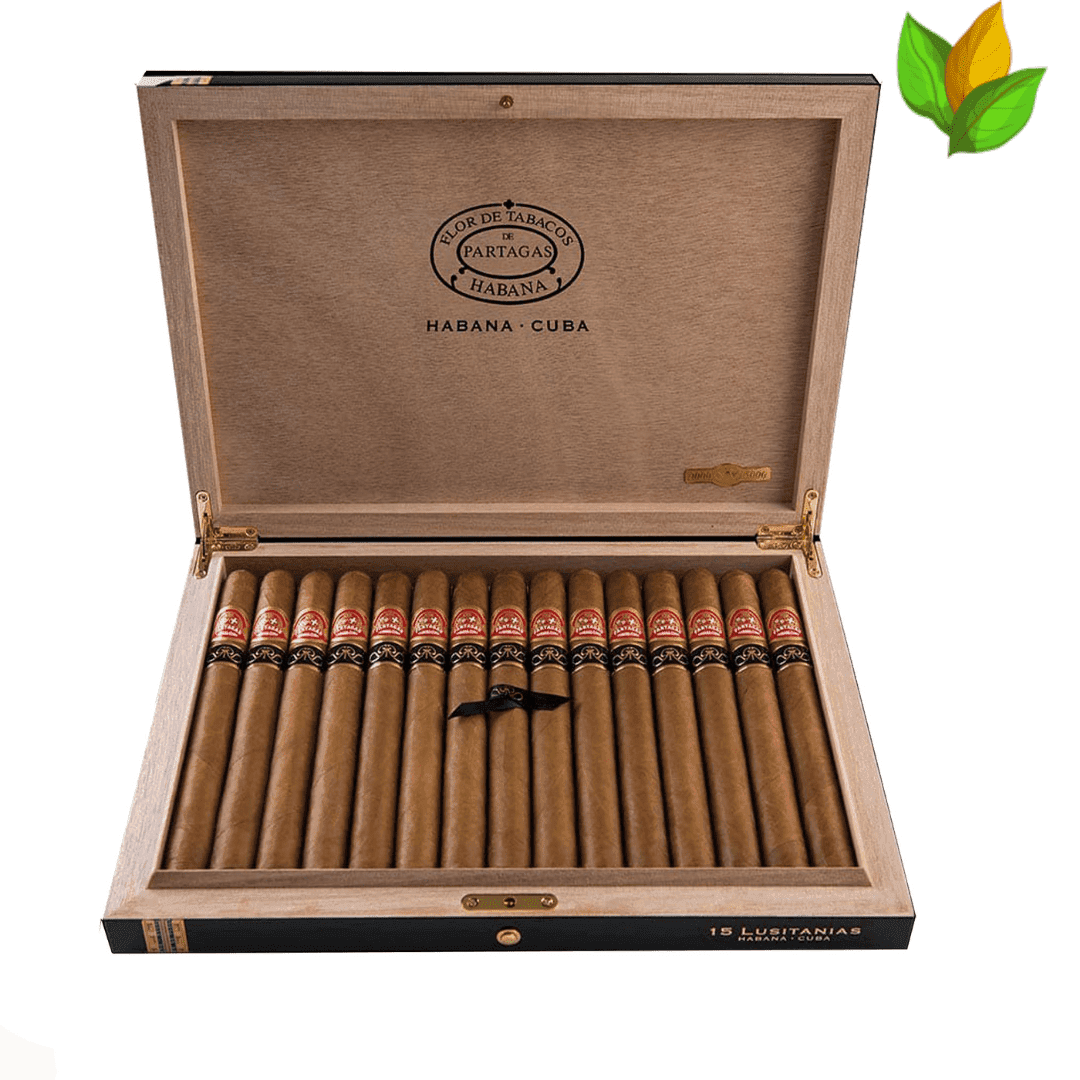
While the Partagás brand is currently renowned for its full-bodied offerings like the Lusitanias or the Series D No. 4, the Filipos offers a different perspective on the marque. The legacy of this cigar lies in its demonstration of Partagás' versatility—proving that the brand could master the delicate, elegant smoke just as well as the powerhouse robusto. The thinner ring gauge typically concentrates the wrapper’s influence on the flavor profile, often resulting in a more herbal or grassy introduction before developing into the classic Partagás spice.
Today, the Filipos is strictly a collector's item. Its discontinuation in the 1980s marked the end of the line for this specific vitola, leaving only a finite number of boxes in existence. For those lucky enough to find one that has been properly stored, the experience offers a rare taste of Cuban history, a sensory journey back to a time when the Placeras ruled the shelves.