Among the most unusual vitolas ever produced on Cuban soil, the Partagás Culebras occupies a singular place in cigar heritage. Where most premium cigars follow conventional silhouettes, this remarkable creation defies tradition with its intertwined, serpentine form—three slender torpedos woven together to form a distinctive coiled shape that immediately captures attention. Once a common sight in Havana shops, the Culebras has evolved into a prized collector's piece, its story spanning multiple decades of Cuban tobacco craftsmanship.


Origins and Historical Context
The Culebras format emerged well before the revolutionary changes of the 1960s, making it one of the oldest configurations in the Partagás lineup. The term "Culebras" derives directly from Spanish, meaning "snakes"—a nod to the braided appearance that gives these cigars their unmistakable profile. What began as a practical solution within the factories eventually became a sought-after novelty among aficionados worldwide.
Factory workers in pre-Castro Cuba were sometimes allowed to carry cigars home for personal consumption. To prevent these complimentary cigars from entering the commercial market, the twisted configuration was introduced. The irregular shape made it immediately obvious that a cigar had not traveled through proper retail channels, effectively serving as an internal control mechanism. This ingenious approach to inventory management gave birth to one of the most recognizable formats in Cuban cigar history.
Physical Characteristics and Construction
Each Culebras unit actually comprises three individual petit panatela-sized cigars, each measuring 146 millimeters in length with a 39 ring gauge. These slender sticks are carefully braided together during the rolling process, creating the signature coiled appearance that distinguishes this vitola from all others in the Partagás catalog. The construction technique requires considerable skill, as the braiding must be tight enough to maintain shape while preserving the integrity of each component cigar.
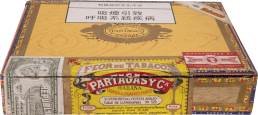
The original production run utilized machine manufacturing methods, which was typical for this particular format due to the complexity of creating consistent braided shapes at scale. Each cigar bears the classic large type A Partagás band, instantly identifiable to enthusiasts familiar with the brand's visual identity. The cigars were traditionally protected by individual aluminum foil wrapping before being packed into dress boxes containing 25 units each. This preservation method remained standard throughout the entire production period, ensuring optimal freshness from factory to consumer.
Discontinuation and Revival
The original machine-made Culebras saw its final production run conclude in 2005, marking the end of an era for this distinctive format. With their disappearance from retail shelves, existing boxes quickly became treasured pieces among collectors and enthusiasts who recognized the historical significance of these unusual cigars. The scarcity factor transformed already-interested parties into devoted seekers, driving demand for remaining inventory.
In response to continued interest from the cigar community, the Culebras experienced a renaissance through the La Casa del Habano Exclusive program. This resurrection brought the format back as a handmade offering, elevating the construction quality while maintaining the essential braided silhouette that defines the vitola. The handmade interpretation showcases the superior craftsmanship possible when skilled torcedors apply their expertise to this challenging format, offering discerning smokers an enhanced experience that honors the original concept while raising the bar for execution.
Collectibility and Contemporary Significance
For serious collectors, an original sealed box of machine-made Partagás Culebras represents both a financial investment and a tangible piece of Cuban cigar history. The combination of limited availability, distinctive appearance, and fascinating backstory creates a trifecta of collector appeal that few other vitolas can match. auction houses and specialty tobacconists regularly command premium prices for well-preserved examples.
The subsequent handmade re-release has added another dimension to the Culebras legacy, providing contemporary smokers the opportunity to experience this unique format with modern quality standards. Whether pursuing the vintage machine-made originals or the refined handmade interpretation, enthusiasts find in the Culebras a conversation-starting vitola that transcends ordinary smoking experiences. The braided shape continues to serve as a reminder of the creativity and practicality that have long characterized Cuban cigar manufacturers' approaches to design and production.