Within the vast and intricate world of vintage Havana cigars, few discoveries generate as much excitement among serious aficionados as uncovering a specimen from a bygone production era. The Partagás Cubanos stands as a perfect example of such a treasure—a vitola that has long since vanished from retail shelves, yet continues to captivate those who appreciate the rich heritage of Cuban tobacco. For the dedicated collector, this particular format represents far more than just a smoking experience; it serves as a tangible connection to the craftsmanship and aesthetic preferences that defined the island's cigar industry during the mid-twentieth century.

A Legacy Born Before the Revolution
The origins of the Cubanos format trace back to a transformative period in Cuban history. Launched prior to 1960, this vitola entered the market during what many enthusiasts consider the golden age of Havana cigar production. This was an era when the Partagás brand had already cemented its reputation as one of Cuba's most prestigious manufacturers, renowned for delivering consistent quality and distinctive flavor profiles.
During those pre-revolutionary decades, the Cuban cigar landscape looked remarkably different from today's market. Consumers of that era favored slender, elegant formats that prioritized refinement over sheer volume. The Cubanos embodied this philosophy perfectly, offering smokers a sophisticated option that reflected the sensibilities of its time. Production of this beloved format persisted through multiple decades, surviving the dramatic political and economic shifts that reshaped Cuba following the 1959 revolution.
However, nothing lasts forever in the evolving world of premium cigars. By the 1980s, changing consumer preferences and shifting production priorities led to the Cubanos being retired from Partagás's regular lineup. This discontinuation marked the end of an era, transforming what was once a readily available smoke into an elusive collector's prize.
Technical Specifications and Design
Dimensions and Construction
The Cubanos was manufactured to precise specifications that reflected the standards of its era:
- Vitola Name: Cubanos
- Factory Designation: Placeras
- Ring Gauge: 34
- Length: 125 millimeters (approximately 4⅞ inches)
- Official Weight: 5.27 grams
- Production Method: Entirely handmade
These measurements place the Cubanos squarely within the category of thin-format cigars that dominated the market during the mid-twentieth century. Modern consumers have largely shifted toward thicker ring gauges, making the Cubanos a fascinating contrast to contemporary preferences. The slender 34 ring gauge would have delivered a concentrated, nuanced smoking experience—one where the wrapper leaf's characteristics played a prominent role in the overall flavor profile.
Presentation and Packaging
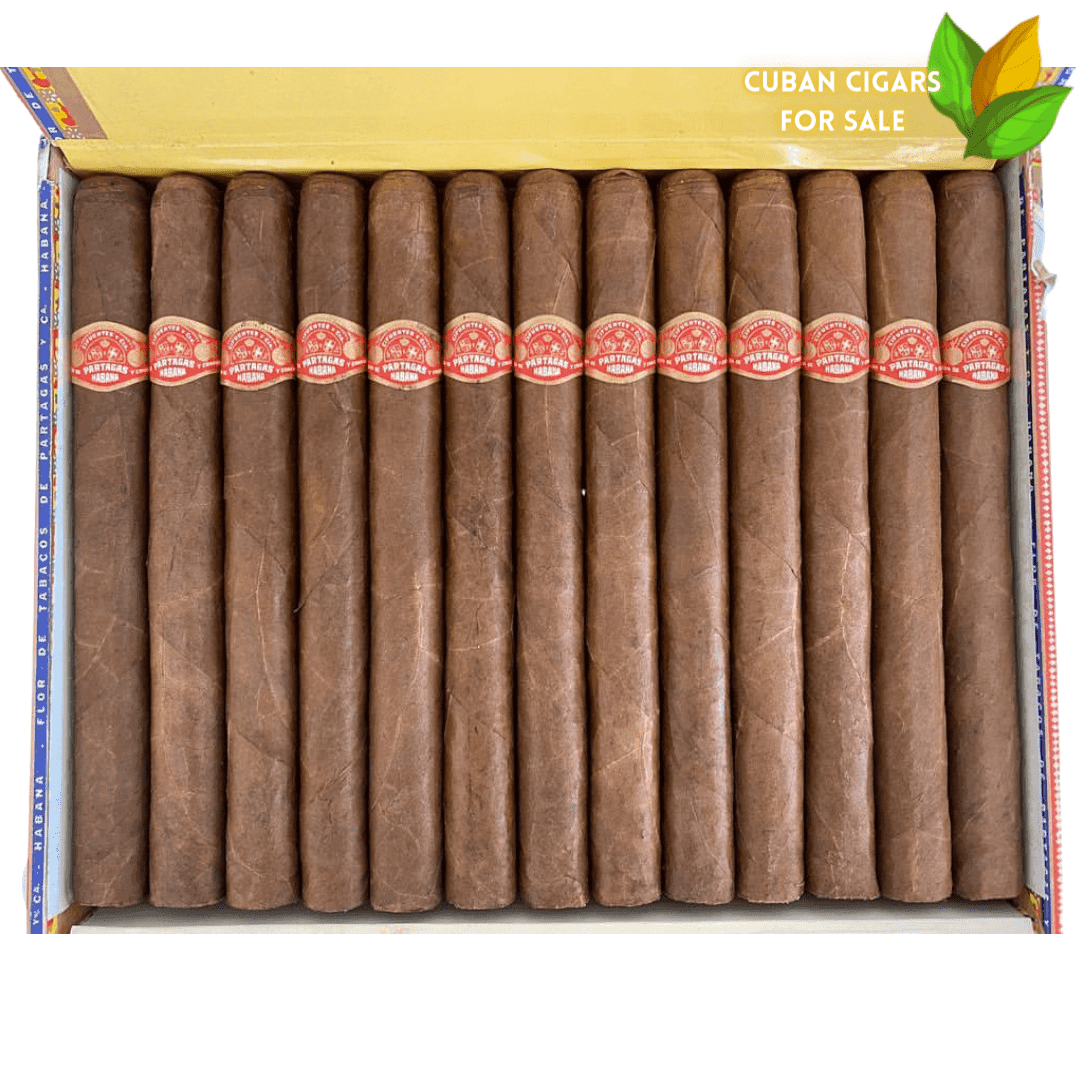
Partagás offered the Cubanos in packaging that combined practicality with visual appeal. Each cigar was individually housed within an aluminum tube, a feature that served multiple purposes. The tubes provided crucial physical protection, preserving the cigar's structural integrity during transport and storage. Additionally, the metallic tubes helped maintain optimal humidity levels around the tobacco, ensuring the cigar remained in prime smoking condition.
From a presentation standpoint, Partagás made the Cubanos available in two distinct configurations. Collectors could acquire dress boxes containing either 25 or 100 tubed cigars. The smaller format offered accessibility for personal consumption, while the larger presentation made for an impressive gift or substantial addition to a growing collection. Both options featured the elegant presentation that Partagás was known for, with distinctive branding that immediately communicated the brand's prestigious heritage.
The Modern Collector's Perspective
Today, finding a genuine Partagás Cubanos represents a significant challenge even for seasoned collectors. Decades have passed since production ceased, and the natural attrition that affects all consumable goods has steadily reduced the population of surviving specimens. Those fortunate enough to locate an authentic example can expect to pay a premium reflective of the vitola's scarcity and historical significance.
For collectors who specialize in discontinued Cuban formats, the Cubanos holds particular appeal. Its pre-1960 origins connect it to a legendary era of cigar production, while its decades-long production run provides insight into how Cuban manufacturing evolved during a tumultuous period. Each surviving box tells a story of changing times, shifting tastes, and the enduring appeal of fine tobacco craftsmanship.