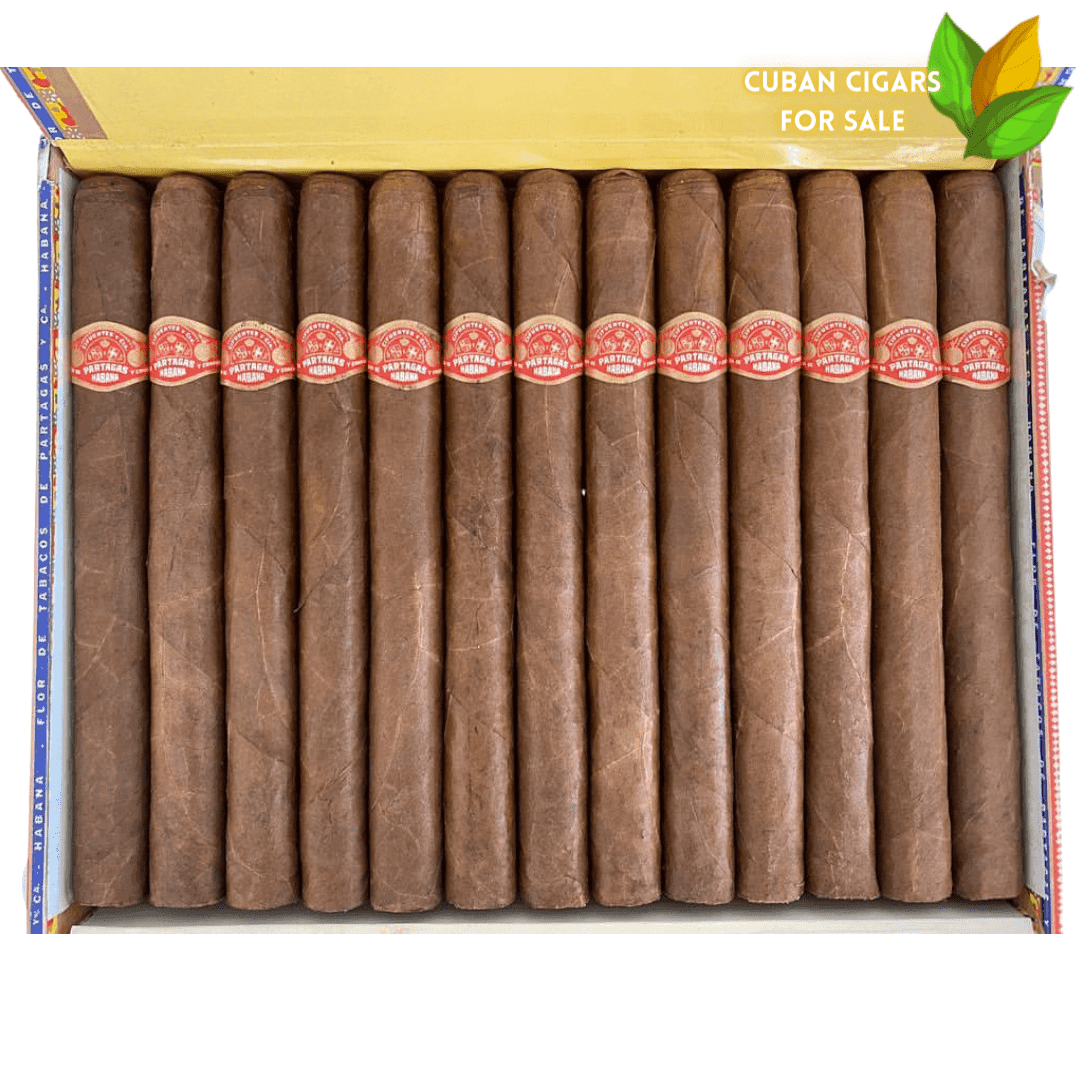
Long before the world recognized Cuban cigars as icons of luxury, a particular corona‑shaped vitola from the Partagás house was already whispering promises of deep, earthy flavor and elegant burn. The Coronas Grandes, a generous size that stood apart from the more common petit coronas, attracted a loyal following that spanned generations. Its story is woven through political upheaval, evolving taste preferences, and the relentless pursuit of the perfect smoking experience.

Origins in Pre‑Revolutionary Cuba
The lineage of the Coronas Grandes stretches back to the years preceding 1960, placing it among the oldest formats in the Partagás catalog. During that era, cigar makers favored larger ring gauges for a slower, more contemplative smoke, and the Coronas Grandes delivered exactly that. The brand’s master blenders selected a blend that balanced the brand’s signature spice with subtle notes of cocoa and coffee, creating a profile that was both robust and refined. Throughout the revolutionary period and into the modern renaissance of Cuban cigar production, this vitola retained its place in the lineup, surviving shifts in consumer demand and occasional supply chain upheavals.
Construction and Technical Details
When it came to engineering, the Coronas Grandes adhered to classic principles while allowing for subtle refinements that kept it competitive in a crowded market. A ring gauge of 42 and a length of 155 mm (approximately 6 ⅛ inches) gave the cigar a medium‑to‑full body that burned evenly, producing a cool, flavorful smoke from start to finish. The weight of each stick hovered around 10.14 g, a figure that reflected the dense, hand‑rolled tobacco core and the meticulous craftsmanship of the factory rollers.
- Format: Corona – a traditional, straight‑sided shape
- Ring Gauge: 42
- Length: 155 mm (6 ⅛ inches)
- Weight: 10.14 g
- Construction: Handmade
- Band: Standard Partagás band, marking authenticity
The cigar’s filler and binder leaves were chosen to provide a consistent draw, while the wrapper, typically a dark, oily Habano leaf, contributed a hint of sweetness that complemented the filler blend. Each smoke unfolded gradually, allowing aficionados to appreciate the nuanced evolution of flavors—a trait that helped the Coronas Grandes endure as a benchmark for the brand’s classic profile.
Packaging and Distribution Formats
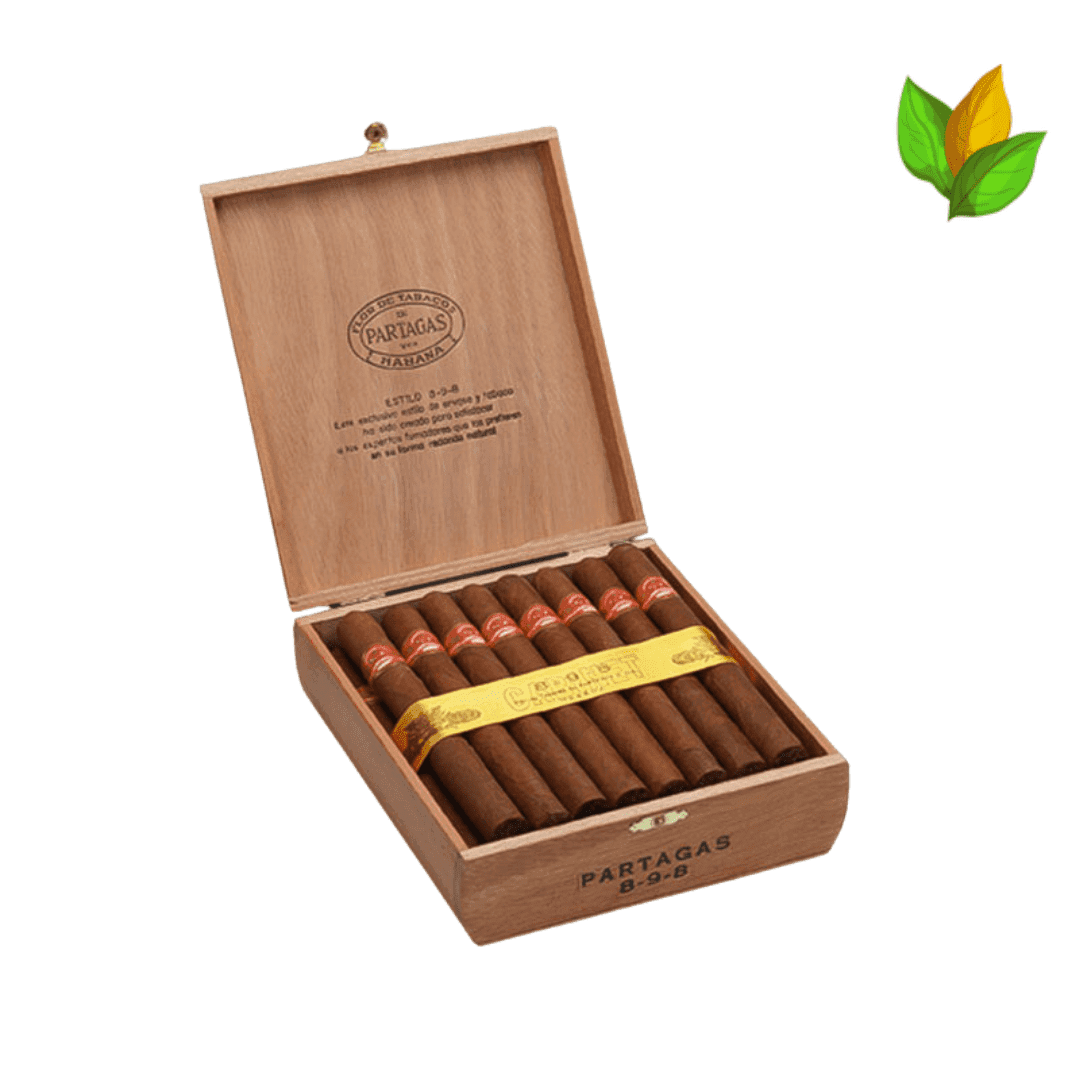
To accommodate varying preferences among smokers, Partagás released the Coronas Grandes in two distinct packaging styles. The first was the dress box, a classic wooden container that held 25 cigars and featured the brand’s signature label. This presentation was favored by collectors and those who prized a pristine, cellophane‑wrapped environment for long‑term aging. The dress box remained in production until the line’s discontinuation in 2002, after which it became a sought‑after artifact on the secondary market.
The second option was the practical aluminum pack, which contained five cigars sealed in a lightweight, portable shell. This format appealed to those who wanted a modest stash for travel or casual enjoyment without committing to a full box. The aluminum pack ensured that the cigars stayed protected from humidity fluctuations, making it a popular choice among on‑the‑go enthusiasts.
Legacy and the 150th Anniversary Commemoration
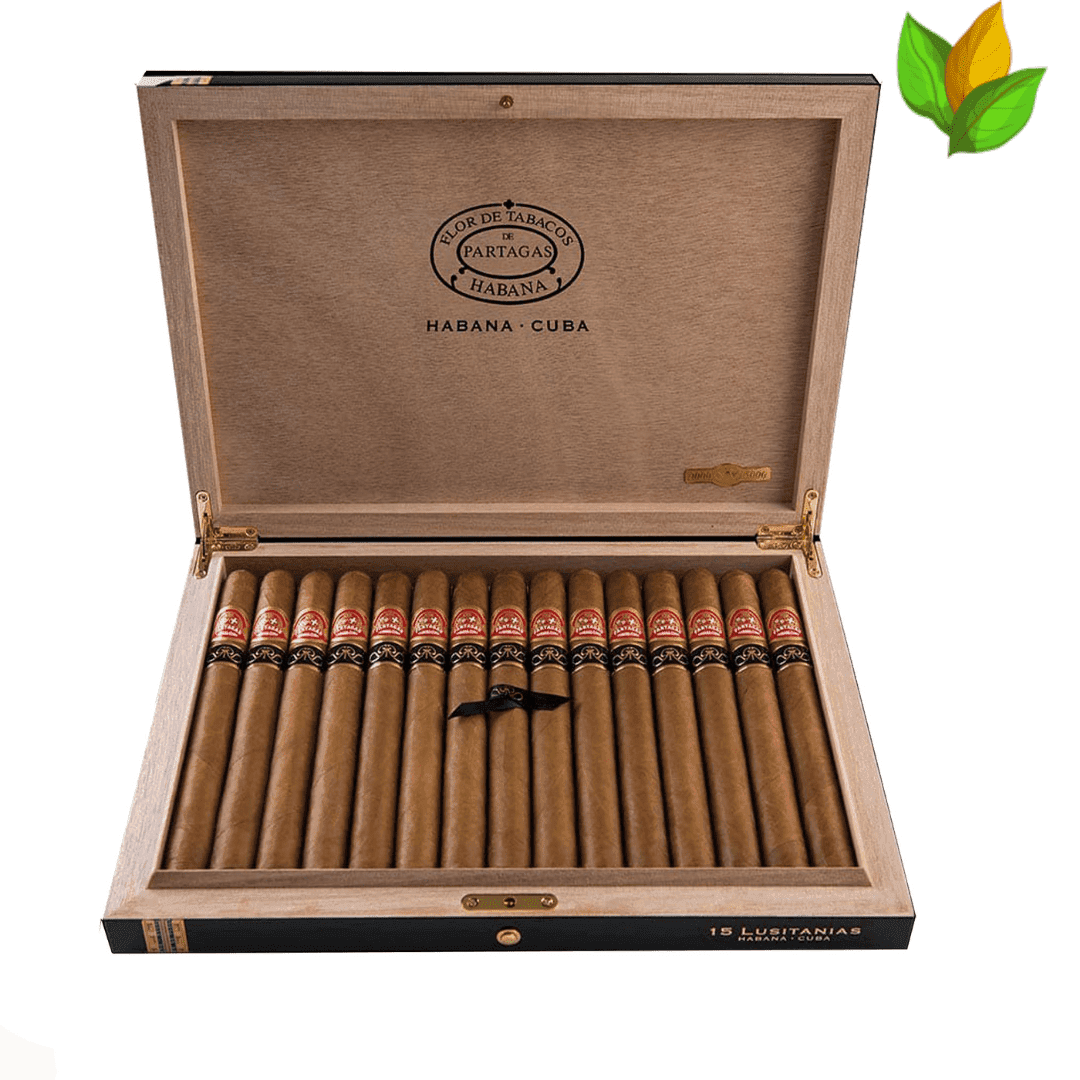
In the early 2000s, after more than four decades of continuous production, the Coronas Grandes was officially retired from the regular catalog. The discontinuation marked the end of a chapter for devotees who had grown accustomed to reaching for this size in moments of reflection or celebration. Yet the cigar’s legacy did not fade into obscurity. To honor the brand’s milestone, Partagás introduced the Partagás Coronas Grandes 150 Aniversario Humidor, a limited‑edition release that encapsulated the spirit of the original vitola within a meticulously crafted humidor. This commemorative set, produced in a limited run, featured specially aged Coronas Grandes, each accompanied by a certificate of authenticity and a detailed history of the brand’s 150‑year journey.
Today, the Coronas Grandes lives on primarily in the collections of connoisseurs who appreciate its historical significance and in the occasional tasting events that revisit classic Cuban profiles. Its discontinuation has paradoxically heightened its allure, turning the remaining boxes and packs into coveted items that fetch premium prices at auction. For those who remember the smoke, the Coronas Grandes remains a testament to a bygone era—a time when a simple corona could convey the full complexity of Cuban tobacco craftsmanship.