Step into the world of one of Cuba's most storied cigar houses, where tradition meets uncompromising quality in every carefully rolled leaf. When exploring the history of Partagas cigars - from 1845 to today, we uncover not just a brand, but a legacy that has defined the golden standard of Habanos for nearly two centuries. From the bustling streets of 19th-century Havana to the humidors of modern connoisseurs worldwide, Partagás represents the enduring spirit of Cuban tobacco craftsmanship—a journey marked by innovation, resilience, and an unwavering commitment to full-bodied flavor.
The Birth of a Legend: Don Jaime and the Founding Era
In 1845, Don Jaime Partagás y Ravell established what would become one of the most recognizable names in the tobacco world. Unlike many of his contemporaries who simply purchased existing factories, Don Jaime founded the Real Fábrica de Tabacos Partagás from the ground up, creating a manufacturing powerhouse that would revolutionize Cuban cigars production.
The factory, strategically located on Calle Industria behind Havana's majestic Capitol building, became an architectural marvel of its time. Don Jaime wasn't merely a businessman; he was a true visionary who understood that exceptional cigars began with exceptional tobacco. He pioneered the practice of personally selecting the finest leaves from Cuba's premier growing regions—particularly the Vuelta Abajo zone in Pinar del Río—ensuring that only the highest quality wrapper, binder, and filler tobaccos bore the Partagás name.
Perhaps his most significant innovation was the introduction of the "lectore" or reader, a tradition where factory workers would be read newspapers and novels aloud while rolling cigars. This practice, which continues in the Partagás factory today, not only educated the workforce but established a rhythm and concentration that contributed to the consistency of their craft. Under Don Jaime's guidance, Partagás quickly earned a reputation for producing powerful, complex habanos that appealed to seasoned smokers seeking depth and character.
The Cifuentes Era and Global Expansion
Following Don Jaime's tragic death in 1864—reportedly at the hands of a jealous rival over a tobacco dispute—the factory changed hands several times before finding its true stewards in 1900. The Cifuentes family, led by Ramón Cifuentes Llano, acquired the brand and ushered in what many consider the golden age of Partagás.
Under the Cifuentes family's meticulous oversight, Partagás cemented its status as a premier export brand. They maintained the rigorous standards established by Don Jaime while expanding distribution to Europe, Asia, and the Americas. The family's commitment to traditional methods ensured that each cigar remained hand-rolled using the "totalmente a mano" technique, preserving the brand's distinctive character.
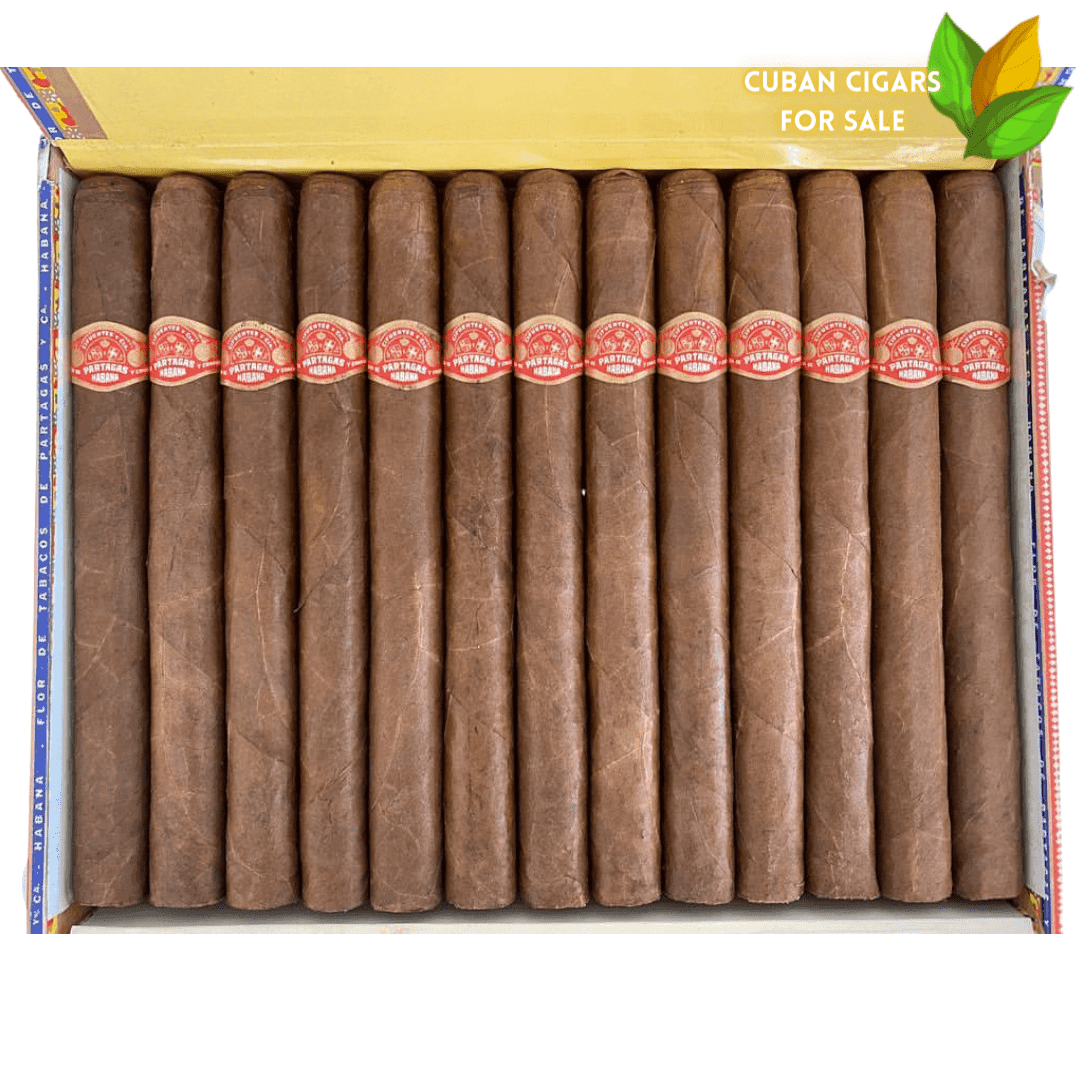
This period saw the introduction of several vitolas that remain iconic today. The Partagás Serie D No. 4, with its robusto format and complex flavor profile, became a benchmark for the modern Cuban cigar industry. Similarly, the majestic Lusitanias, a double corona measuring 194mm, showcased the blender's artistry with its rich, earthy notes and impeccable construction. The distinctive red and gold band with its elaborate script became instantly recognizable in humidors across the globe, symbolizing luxury and uncompromising quality.
Revolution, Nationalization, and the Modern Era
The Cuban Revolution of 1959 marked a seismic shift for all cigar manufacturers, and Partagás was no exception. In 1960, the factory was nationalized by the revolutionary government, and the Cifuentes family fled to the United States, eventually establishing non-Cuban versions of their brands abroad. However, the Havana factory continued operations under state control, preserving the traditional methods and recipes that defined the brand.
Today, Partagás operates under Habanos S.A., Cuba's state tobacco monopoly, with production still centered at the historic factory on Calle Industria. Despite political upheavals and changing markets, the brand has maintained its commitment to full-bodied, flavor-forward cigars that showcase the best of Cuban tobacco. The factory remains a pilgrimage site for enthusiasts, where visitors can witness torcedores crafting cigars using techniques passed down through generations.
The modern portfolio includes the celebrated Serie D, Serie E, and Serie P lines, each offering distinct smoking experiences while maintaining the brand's signature intensity. The Partagás Short and other petit formats have introduced new generations to the brand's robust character, ensuring that the legacy continues to evolve while honoring its roots.
Legacy, Craftsmanship, and Enduring Appeal
What sets Partagás apart in the crowded world of premium cigars is its unwavering dedication to tradition without stagnation. The brand's flavor profile—characterized by earthy notes of leather, cedar, coffee, and subtle spice—remains remarkably consistent, a testament to the master blenders who oversee production. Each cigar undergoes rigorous quality control, with only the finest examples receiving the distinctive band and box code that certify authentic Cuban origin.
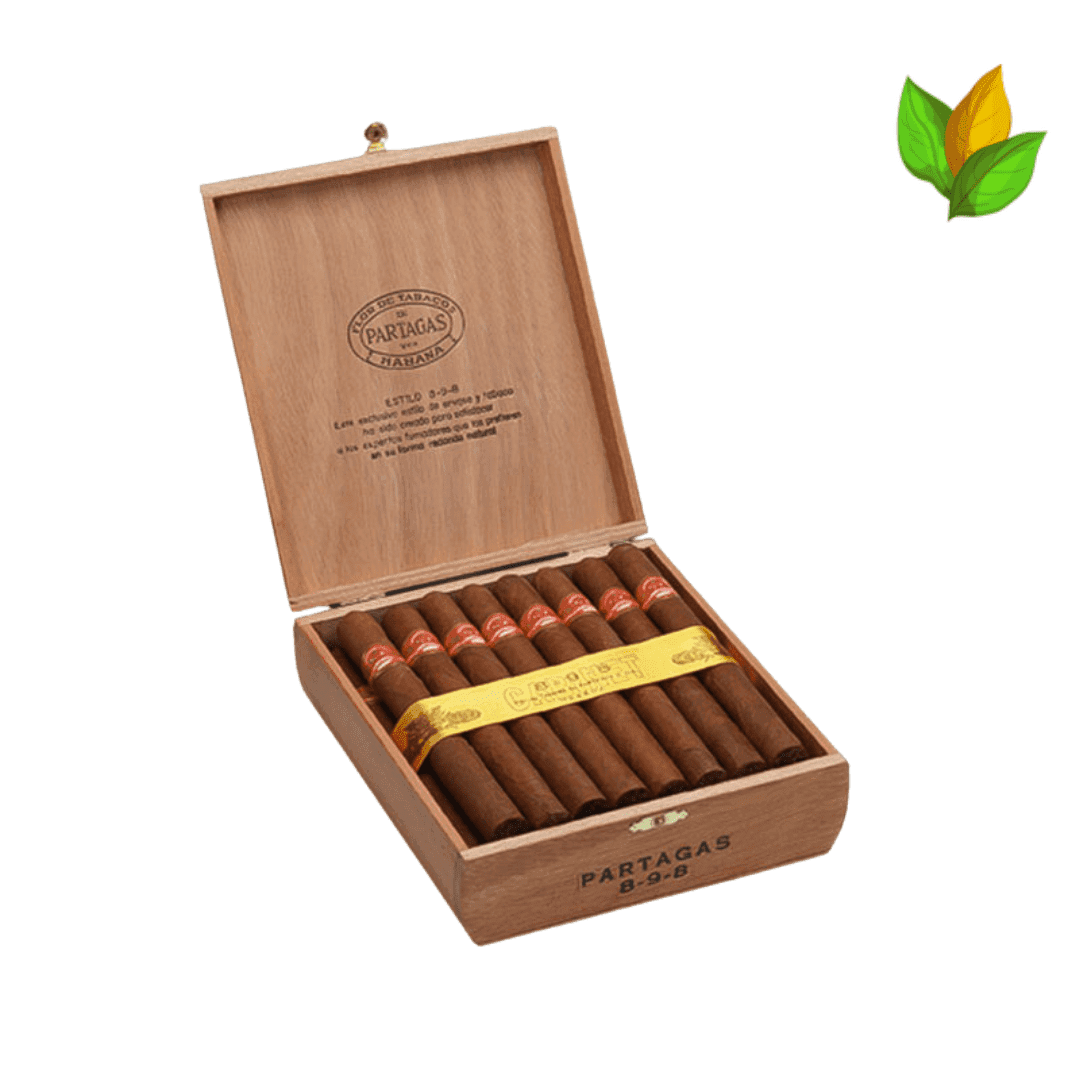
The history of Partagás is not merely a chronicle of dates and ownership changes; it is the story of Cuban tobacco culture itself. From Don Jaime's innovative spirit to the skilled hands of today's torcedores, the brand represents the pinnacle of what Habanos can achieve. Whether enjoying a quick Mille Flores or savoring the extended experience of a Partagás 8-9-8, smokers participate in a tradition that spans nearly 180 years.
As we look toward the future, Partagás continues to honor its 1845 heritage while adapting to contemporary tastes. Limited editions and regional releases showcase experimental aging techniques and rare tobacco varietals, proving that even the most historic brands can surprise and delight. For the serious aficionado, understanding the history of Partagás cigars - from 1845 to today - provides essential context for appreciating why these habanos remain among the most sought-after and respected cigars in the world.