For the modern aficionado, the concept of a Cuban cigar almost invariably conjures images of a *torcedor* deftly rolling a premium puro by hand in a dusty Havana factory. However, a deeper look into the annals of tobacco history reveals that the island's golden age was defined by a broader spectrum of production methods. The Partagás Besadoras stands as a fascinating artifact from this bygone era—a machine-made vitola that offers a unique window into the industrial capabilities and consumer preferences of the mid-20th century. Though it has long since vanished from production lines, the legacy of this slender cigar provides crucial context for understanding the evolution of the Partagás brand and the shifting standards of Cuban luxury.

The Industrial Heritage of Havana
The Partagás Besadoras emerged during a time when the Cuban cigar industry was far more eclectic in its manufacturing techniques than it is today. While the brand is currently synonymous with full-bodied, hand-rolled complexity, the mid-century market demanded accessible options that could be produced at scale. The Besadoras was the answer to that demand, utilizing mechanized processes to ensure consistency and affordability.
Historical records place the release of this vitola sometime prior to 1960, situating it firmly within what many consider the zenith of Cuban tobacco production. It enjoyed a respectable lifespan, maintaining a presence on shelves for nearly two decades before being phased out in the late 1970s. This production timeline suggests that the cigar was not merely a fleeting experiment but a staple product that successfully catered to the tastes of a specific generation of smokers. Its discontinuation marked the end of an era, as the global market began to shift almost exclusively toward handmade premiums, pushing machine-rolled Cubans further into obscurity.
A Study in Slender Dimensions
In an age where the trend has drifted toward robust, thick ring gauges, the specifications of the Besadoras might strike a contemporary smoker as remarkably delicate. The cigar measures exactly 127 millimeters (or five inches) in length and features a very slender ring gauge of 29. This svelte profile was once a standard of elegance, offering a quicker, more intense smoking experience compared to the wide formats popular today.
With an estimated weight of roughly 3.69 grams, the construction was designed for efficiency. Unlike the handmade *panetelas* of the modern era, the Besadoras was engineered. The machine-made construction method allowed for a tighter, more uniform draw, which was a signature characteristic of this production style. While purists might argue that machine compression inhibits the complexity of the filler, the format was highly regarded in its time for delivering the characteristic Partagás flavor profile—earth, spice, and cedar—in a concise package.
Packaging for the Practical Smoker
The commercial strategy for the Partagás Besadoras was designed with versatility in mind, catering to both the casual buyer and the serious collector. The brand offered two distinct methods of purchase, highlighting a consumer-centric approach that predated modern marketing tactics.
- The Trial Size: Smokers could acquire a small cardboard pack containing just five cigars. This option was ideal for those wishing to sample the profile without committing to a full box, a practice that was more common when smokers had a wider array of daily smoking options.
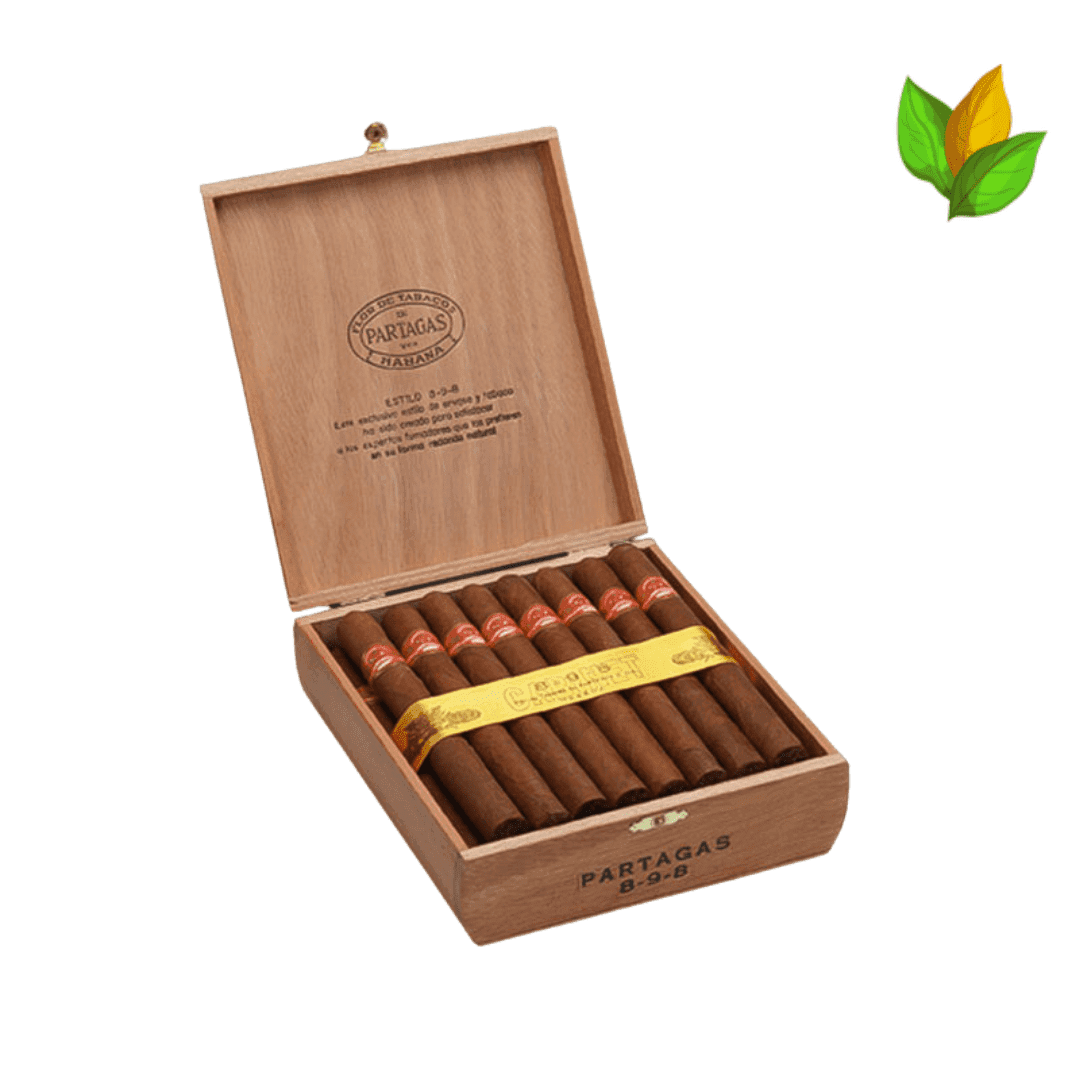
- The Investment Box: For the dedicated enthusiast, the Besadoras was available in a standard dress box containing 25 cigars. This presentation adhered to the traditional aesthetic expectations of the Partagás brand, maintaining the visual prestige associated with the yellow and red band.
This dual-packaging strategy demonstrates that while the cigar was machine-made, it was still treated with a degree of prestige befitting the Partagás name, bridging the gap between everyday convenience and luxury presentation.
The Rarity Factor and Modern Collectibility
Locating an authentic box of Partagás Besadoras in the modern secondary market is an exercise in frustration and patience. Because production ceased in the late 1970s, any surviving inventory is considered exceptionally rare. However, potential collectors must manage their expectations regarding value. The fact that these were machine-made cigars places them in a different tier of collectibility compared to vintage hand-rolled *grandes* from the same period.
While a box of pre-embargo hand-rolled Partagás might fetch astronomical sums at auction, the Besadoras occupies a more niche historical interest. Its value lies not necessarily in the smoking experience—though well-preserved examples can still offer a glimpse into the past—but in its status as a tangible piece of manufacturing history. It serves as a reminder that the Cuban cigar story is not solely one of artisanal craft, but also of industrial ambition that adapted to the diverse needs of the mid-century global market.