Within the realm of premium tobacco, few names command as much reverence as Partagás, a brand synonymous with the rich, earthy profile that defines the best of Cuban heritage. Among the many vitolas that have emerged from the Partagás factory in Havana, few carry the quiet mystique of the Partagás Astorias. This cigar, now consigned to history books and private humidors, represents a fascinating intersection of vintage charm and discontinued rarity. For the serious collector, the Astorias is not merely a smoke; it is a tangible piece of the island’s pre-revolutionary lineage that survived well into the modern era before ultimately fading away.

Origins and Historical Significance
The story of the Astorias begins long before the turn of the millennium. Originally released prior to 1960, this vitola predates the revolutionary changes that reshaped the Cuban cigar industry. Its longevity is a testament to its initial popularity; it managed to bridge the gap between the golden age of Cuban tobacco and the contemporary market, serving as a staple for aficionados who favored traditional formats over the emerging trends of thicker ring gauges.
For decades, the Astorias was a reliable workhorse in the Partagás portfolio. It offered enthusiasts a consistent experience rooted in the brand’s hallmark flavor profile—notes of earth, spice, and leather wrapped in a smooth draw. However, all good things must come to an end. In 2002, Habanos S.A. made the decision to discontinue the production of the Partagás Astorias. This move marked the conclusion of a decades-long run, transforming the cigar from a standard shelf offering into a sought-after collectible almost overnight.
Technical Specifications: The Cosacos Format
To truly appreciate the Astorias, one must examine its physical construction. The cigar falls under the factory designation known as Cosacos. This format was once a mainstay in Cuban cigar catalogs, offering a specific balance of length and girth that has largely fallen out of favor in the modern "gordo" era.
The dimensions of the Astorias are precise and classically proportioned. Measuring 135 mm (approximately 5 3/8 inches) in length, it sits comfortably in the hand without requiring the time commitment of a double corona. Its ring gauge of 42 places it firmly in the traditional category, offering a smoking experience where the wrapper leaf plays a dominant role in the flavor profile. Weighing in at 8.84 grams, the construction was entirely handmade, ensuring the density and draw that knowledgeable smokers expect from a premium Havana product.
Packaging and Visual Identification
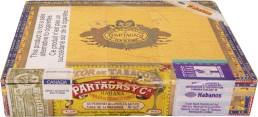
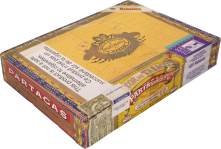
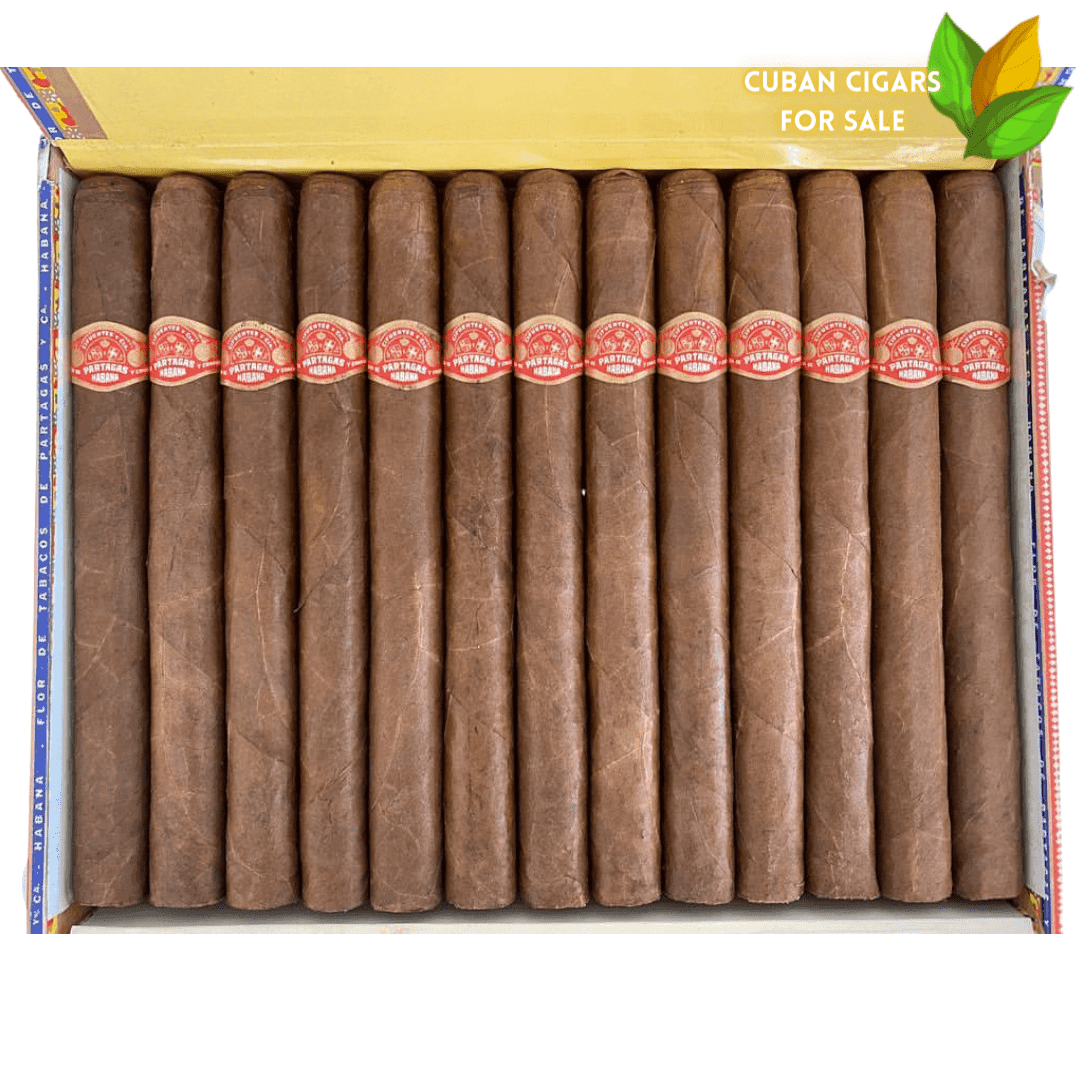
Identifying a genuine box of Partagás Astorias requires an eye for detail, as presentation evolved slightly over its production lifecycle. The cigar was adorned with the Standard band A, the iconic yellow and red label that instantly signals the Partagás brand. This visual anchor connects the vitola to the broader family of Partagás cigars, maintaining brand consistency across decades.
Traditionally, the Astorias was presented in dress boxes of 25, a format designed for both retail display and long-term aging. One subtle but important distinction for collectors lies in the packaging materials used toward the end of the production run. Early releases were packaged without cellophane, allowing the cigars to breathe directly through the wood of the box. However, later productions introduced individual cellophane wrapping to protect the cigars during shipping and storage. The dress box format without cellophane was officially discontinued in 2002, making the unwrapped versions particularly evocative of the cigar's earlier history.
The Collector’s Afterlife
Since its departure from regular production, the Astorias has cultivated a dedicated following in the secondary market. The absence of fresh stock has elevated its status, making it a target for hunters of aged tobacco. The flavor profile of a well-preserved Astorias, with its decades of potential aging, offers a complexity that newer releases often struggle to replicate.
While the standard production has ceased, the legacy of the vitola persists through special releases. Most notably, the Astorias found a new life within the Partagás Astorias Siglo XXI Millennium Humidor, a limited edition release that celebrated the turn of the century. This special humidor solidified the shape's importance to the brand's history, ensuring that the Cosacos format was not entirely forgotten. Today, finding an original box is a challenge, but for those who value the classic Cuban tradition of the 42-ring gauge, the hunt is well worth the reward.